Election Denier Faces Tougher Charges Amid Pardon Debate
A man accused of planting pipe bombs faces tougher charges, sparking debate about election deniers and presidential pardons. His defense hinges on Trump's blanket pardons, raising questions of justice and accountability.

Election Denier Faces Tougher Charges Amid Pardon Debate
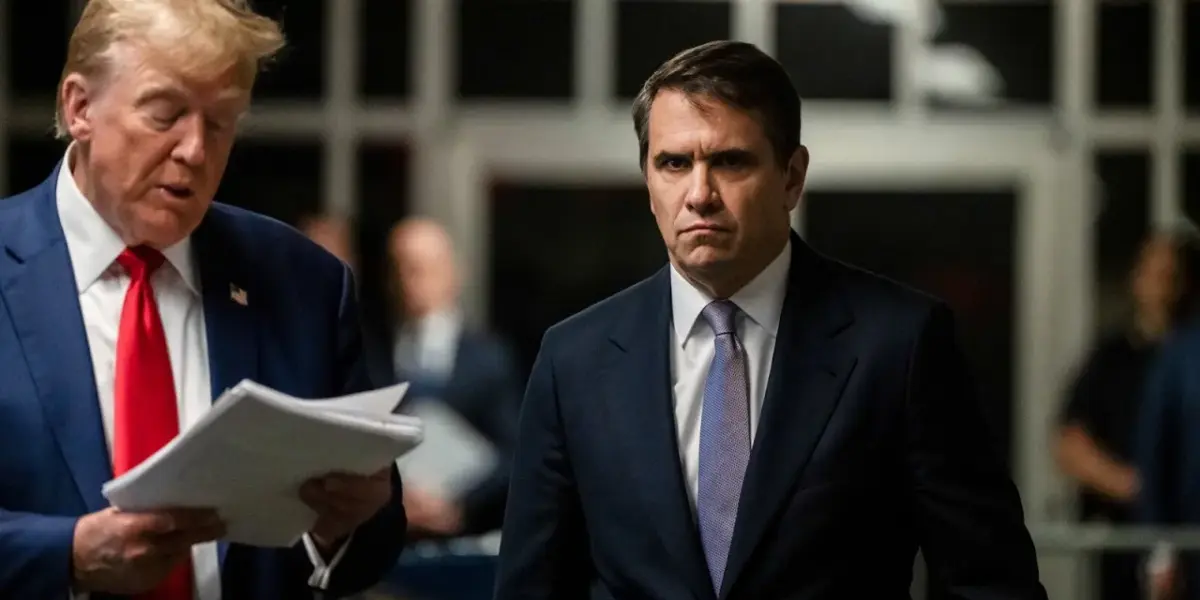
A man accused of planting pipe bombs near the Democratic and Republican national headquarters is now facing significantly more serious charges. Brian Culclasure, initially indicted on two counts related to explosives, has been hit with a superseding indictment. This new indictment adds charges of attempted use of a weapon of mass destruction and an act of terrorism while armed. These new charges carry the potential for a life sentence if he is convicted.
A Case of Inconsistent Justice?
What makes this case particularly striking is the suspect’s alleged motive: disagreement with election results. This has led to a debate about how the Department of Justice (DOJ) handles cases involving election deniers. Some observers find it unusual that an individual accused of such serious crimes, driven by election denial, is being prosecuted so aggressively by the current DOJ. This is especially true when compared to other situations where election deniers, particularly those involved in events like January 6th, have seen charges reduced or dismissed.
“There’s there’s a searing inconsistency. That’s another way to look at it. I mean, here we are piling charges on Brian Cole when at virtually the same time, Donald Trump’s dirty DOJ leadership is trying to dismiss the convictions of the Oathkeepers and the Proud Boys who were convicted of sedicious conspiracy.”
The Pardon Question Looms Large
A key aspect of Culclasure’s defense is a motion to dismiss the charges based on Donald Trump’s broad pardons for January 6th defendants. Culclasure’s lawyers argue that his alleged actions, though occurring the day before January 6th, are closely linked to the events at the Capitol. They claim these actions should fall under the blanket pardons Trump issued for those involved in the Capitol attack. The argument hinges on the idea that these pardons were not issued by name but by category, covering anyone charged with crimes related to January 6th.
However, legal experts suggest this argument might be a stretch. The language of Trump’s pardons may not actually cover Culclasure’s specific actions. The DOJ likely has a stronger case that his alleged crimes fall outside the scope of those pardons. This legal battle is ongoing, with a court hearing scheduled to address the motion to dismiss.
Trump’s Intent and Future Implications
The discussion also touches on whether Donald Trump himself could be called to clarify his intent behind the pardons. While theoretically possible, it’s seen as highly unlikely that he would testify or be compelled to do so. Some analysts believe Trump has a vested interest in allowing individuals who commit violence in his name or to support his claims of election fraud to believe they are protected. This could be a way to signal to his supporters that he has their back, especially as upcoming elections approach.
The concern is that these actions, or the perception of them, could be interpreted as a signal to supporters. This signal might encourage similar actions in future elections, such as intimidating voters at polling places. While state prosecutors can handle crimes at polling places, the pardon power’s reach in Washington D.C. complicates matters for federal and local offenses.
State-Level Prosecution as a Backup?
If the federal charges against Culclasure were to be dismissed, there’s a possibility for state prosecutors in Virginia to step in. If Culclasure committed acts in Virginia that violated state law, such as purchasing bomb components with intent, state authorities could pursue charges. This highlights a potential reliance on state-level justice if federal avenues are blocked, especially concerning election-related issues.
Why This Matters
This case is significant because it probes the boundaries of presidential pardon power and its potential impact on accountability for politically motivated violence. It raises questions about fairness and consistency in the justice system, particularly when dealing with individuals who espouse election denial. The outcome could influence how future cases involving similar motives and alleged crimes are handled. It also sheds light on the complex legal strategies employed in high-profile prosecutions and the potential for political influence on the justice process. The ongoing legal debate underscores the challenges in maintaining public trust in the legal system when accusations of bias or preferential treatment arise.
Looking Ahead
The upcoming court hearing on April 21st will be crucial in determining the path forward for Brian Culclasure’s case. The judge’s decision on the motion to dismiss, based on Trump’s pardons, will set an important legal precedent. Regardless of the outcome, the case highlights the deep divisions and legal complexities surrounding election integrity and political accountability in the United States. It also serves as a reminder that legal battles can have far-reaching implications for democratic processes and the rule of law.
Source: BREAKING: UPDATE on Justice Department’s prosecution of election denier (YouTube)

Related Articles
Capitol Riot Echoes: A Veteran’s Tragic Death
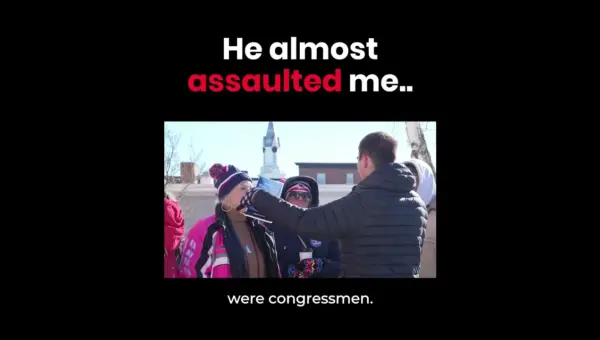
The death of Ashli Babbitt during the January 6th Capitol riot remains a point of intense debate. Accounts differ on the circumstances, highlighting conflicting views on the use of force and the nature of the protest. Her story underscores the deep divisions within American society.

Pardoned Rioters Re-Offend, Exposing Pardon Power’s Dark Side
A New York Times report reveals that numerous individuals pardoned for their involvement in the January 6th Capitol riot have since committed new crimes. This pattern of re-offending raises serious questions about the use of presidential pardons and their impact on public safety and the rule of law.
Trump’s Influence Fuels Legal Chaos in Colorado
A Colorado appeals court has overturned Tina Peters' 9-year prison sentence, but her conviction remains. This decision has sparked debate about political influence on the justice system and the consequences of election denial.