Trump Officials Dodge Key Questions on Economy, Gas Prices
Top Trump administration officials faced tough questions on rising gas prices and economic woes during a press briefing. Critics argue officials dodged key issues, offered vague promises, and deflected criticism by attacking opponents, all while serious economic concerns were met with lighthearted jokes.

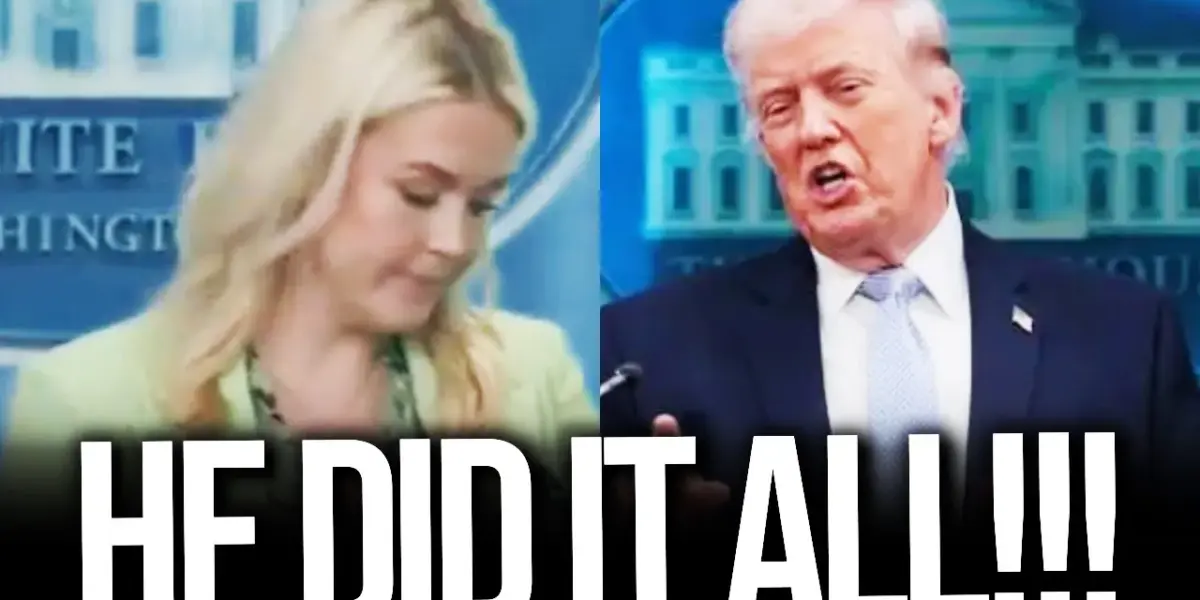
Trump Officials Struggle to Explain Rising Gas Prices
During a recent White House press briefing, top officials faced tough questions about the economy, particularly the rising cost of gas. Treasury Secretary Scott Bessant and Small Business Administrator Kelly Laughler were present, alongside others, to address concerns. The briefing aimed to present a united front, but the officials found themselves on the defensive when pressed about the administration’s economic policies and their impact on everyday Americans.
Gas Prices: A Summer Promise Unfulfilled?
One of the central issues raised was the promise of $3 per gallon gas by summertime. Fox News host Peter Ducey directly confronted Secretary Bessant and Laughler on why this goal seemed increasingly unlikely. Bessant initially suggested the timeline was dependent on negotiations and the reopening of the Strait of Hormuz, stating, “I think that’s going to be up to how the negotiations go.” He later expressed optimism that gas prices might fall to $3 between June 20th and September 20th, a vague timeframe that drew skepticism. Ducey pointed out that while crude oil prices had dropped, gas stations had not lowered their prices as quickly, suggesting a disconnect between market conditions and consumer costs.
“Again, I I’m optimistic that sometime between June 20th and September 20th that we can have $3 gas again.”
– Scott Bessant, Treasury Secretary
Economic Messaging Falls Flat
The administration’s messaging around economic challenges, including rising gas prices and tariffs, was criticized as weak. The officials spoke of “short-term volatility for long-term gain” and framed economic pain as necessary for “international security.” However, this message did not resonate with critics who argued that the “short-term pain” had been ongoing for over a year, impacting small businesses and families. The transcript highlights a perceived disconnect between the administration’s narrative of economic progress and the lived experiences of many Americans struggling with higher costs.
Softball Questions and Dodged Allegations
The press briefing also featured questions from allies, including Jack Pobiak of Epoch Times, who asked about tax refunds. Bessant responded by highlighting the IRS’s efforts to move to digital accounts and service more taxpayers. However, the analysis suggests that Pobiak’s questions were largely “softball” and did not address broader economic concerns like the impact of tariffs on consumer goods or the reduction of ACA subsidies.
Furthermore, the briefing touched on allegations against former Representative Eric Swalwell. While Caroline Levit, leading the briefing, called the accusations against Swalwell “despicable and disgusting” and questioned why other Democrats remained silent, critics argued that Levit and the administration lacked moral standing. This criticism stemmed from the administration’s perceived defense of Donald Trump, who faces numerous sexual assault allegations and a civil conviction for sexual abuse. The argument presented is that the administration deflects criticism by focusing on Democrats while ignoring or downplaying accusations against Trump and his allies.
Historical Context and Political Strategy
The transcript suggests a pattern of political maneuvering where officials attempt to deflect criticism by focusing on opponents’ alleged wrongdoings while downplaying or ignoring issues within their own party. The mention of the Epstein files and accusations against figures like Matt Gaetz and Tony Gonzalez are used to illustrate this point. The narrative implies that the administration’s strategy involves highlighting perceived hypocrisy in the opposing party as a way to distract from their own economic and ethical challenges.
Diet Soda and the Absurdity of Politics
In a moment that underscored the perceived shift towards triviality in political discourse, Dr. Mehmet Oz’s recent comments about President Trump’s views on diet soda were brought up. Trump reportedly argued that diet soda is good for him because it kills grass, implying it must also kill cancer cells. Levit’s response dismissed this as a “joke” and suggested critics should “get a better sense of humor.” Critics, however, viewed this as an example of how serious issues are being treated lightly, turning American politics into a “joke.”
Why This Matters
This analysis highlights a critical disconnect between government officials and the public’s concerns. When officials are unable to provide clear, convincing explanations for economic hardships like rising gas prices, it erodes trust. The strategy of deflecting criticism by attacking opponents, while common in politics, can backfire if not supported by a strong record of performance. The press briefing, as described, appears to have fallen short of reassuring the public, instead raising more questions about transparency and accountability. The focus on trivial matters like diet soda jokes further fuels the perception that the administration is out of touch with the pressing issues facing everyday Americans.
Implications and Future Outlook
The economic challenges discussed – inflation, gas prices, and the impact of tariffs – are key issues that often influence voter behavior. If the administration cannot effectively address these concerns or communicate its strategies clearly, it could face significant headwinds in future elections. The reliance on broad promises of “long-term gain” without concrete short-term relief may prove unsustainable. Furthermore, the ongoing debates about ethical conduct and accountability, both within the current administration and among its allies, will likely continue to shape public perception. Future political discourse may see a greater demand for straightforward answers and tangible solutions to economic problems, rather than political spin or distractions.
Source: Karoline Dodges Trump S*x Bombshell (YouTube)

Related Articles
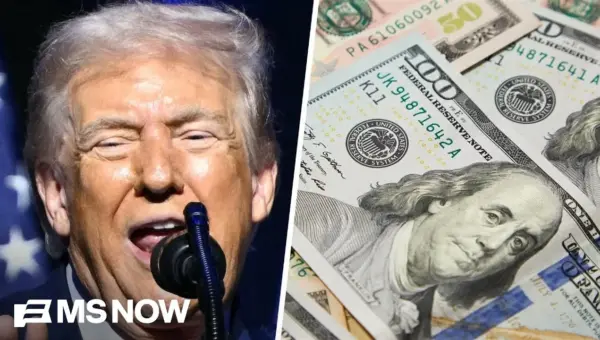
Trump Tax Cuts Failed Working Americans, Ex-Obama Aide Claims
Former Obama official Jim Messina argues that Trump's tax cuts primarily benefited the wealthy, failing to provide relief to average Americans struggling with rising gas and grocery prices. He suggests that while tax-free tips offer some help to specific workers, broader economic issues are more influential for most voters.

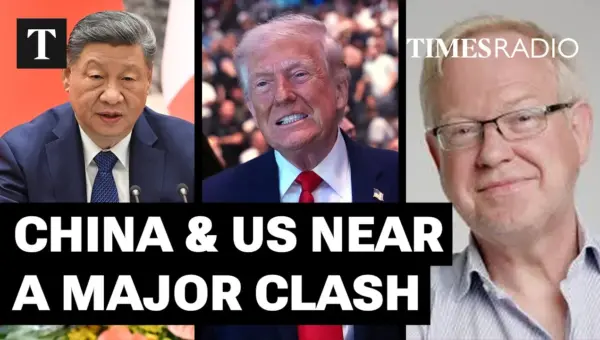
China-US Tensions Flare: Blockade Risk Sparks Superpower War Fears
The U.S. blockade in the Strait of Hormuz has intensified tensions with China, raising fears of a potential superpower conflict. Expert Roger Boyes highlights China's use of a "shadow fleet" and military support for Iran, while President Trump attempts a delicate diplomatic approach ahead of a key meeting with President Xi Jinping.
Trump Sees Iran Conflict Near End, Analysts Urge Caution
President Trump believes the conflict in Iran is "very close to over," but former advisor Keith Kellogg urges a cautious approach. The potential de-escalation could impact global markets, particularly oil prices. Investors should monitor the specifics of any resolution and its long-term implications for regional stability.