China Aids Iran Amid US Conflict Escalation
Recent intelligence suggests China is secretly supplying Iran with weapons like MANPADS and sharing critical intelligence, a significant escalation from its previous stance. This move, if confirmed, could deepen regional conflict and lead to severe US economic retaliation, while highlighting long-standing strategic ties between Beijing and Tehran.

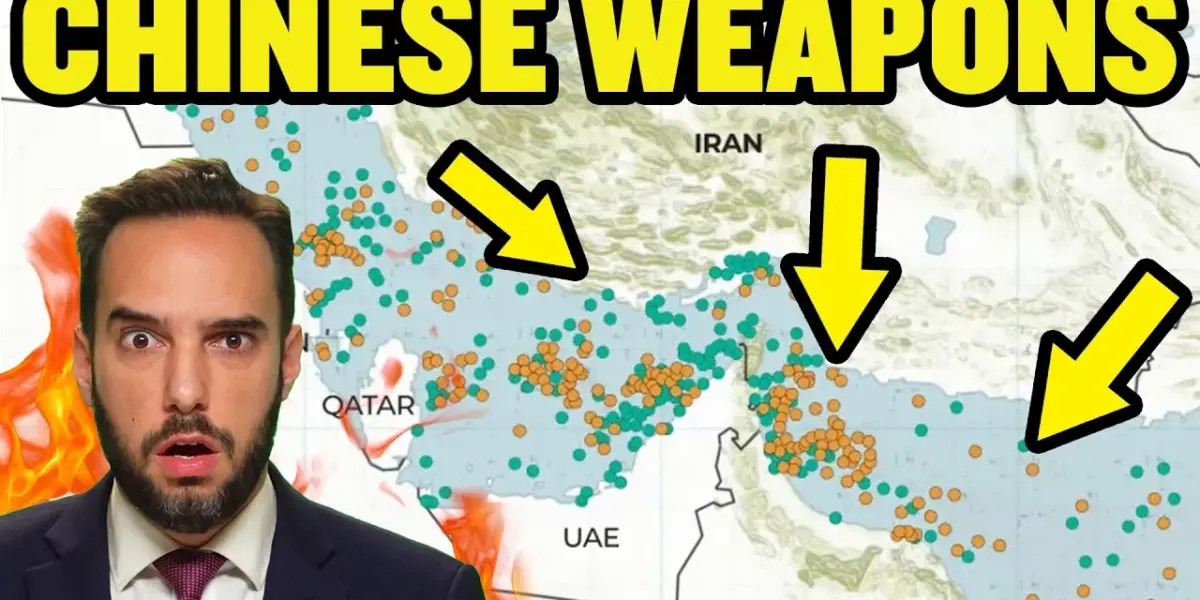
China Aids Iran Amid US Conflict Escalation
Reports suggest China is secretly providing Iran with weapons and intelligence, potentially drawing Beijing deeper into the ongoing conflict involving the United States and its allies. This development marks a significant shift from China’s previous ambiguous stance, raising concerns about a wider regional escalation.
Shifting Chinese Support for Iran
For years, China and Iran have maintained a relationship built on mutual benefit. Iran supplied China with much-needed oil, while China invested in Iran’s infrastructure and offered financial support to its government. However, during a recent conflict, known as Operation Epic Fury, China initially appeared to be on the sidelines. While condemning the attacks, concrete actions were limited to rumors of China sending materials for missile production, which could be used for civilian purposes.
Now, according to recent reports from CNN and The New York Times citing US intelligence agencies, this stance may be changing. China is reportedly preparing to send advanced weapons to Iran. This goes beyond dual-use chemicals and includes shoulder-fired missiles, also known as man-portable air-defense systems (MANPADS). These weapons are easily hidden and used, making them a preferred choice for non-state actors.
China’s Pattern of Covert Operations
This alleged move by China to supply MANPADS is not unprecedented. Beijing has a history of using third countries to mask its arms exports. In the late 1980s, China reportedly used North Korea to send cruise missiles to Iran during the Iran-Iraq War. Later, in the early 2000s, China used Iran to export small arms and improvised explosive devices (IEDs) to Iraq and Afghanistan.
Beyond direct weapons shipments, veteran journalist Sasha Ing reported that China has also been sharing intelligence on US troops and equipment with Iran. This intelligence sharing could allow Iran to better anticipate and counter US military actions. China has also been a key supplier of surveillance systems, drones, and weapons for Iranian proxies like Hamas.
Long-Standing Strategic Partnership
The current situation is underpinned by long-standing agreements between Iran and China. In 2021, the two nations signed a 25-year cooperation agreement. Even earlier, in 2015, China allowed Iran’s Beidou navigation satellite system to transfer satellite technology and establish ground stations. This technology became available for military use in 2015 and was fully integrated into Iran’s military by 2021.
The US State Department has previously confirmed that Chinese satellite technology companies have supported Houthi attacks, which are backed by Iran. These attacks have targeted US interests, including naval vessels. This suggests a pattern where China indirectly supports groups that directly challenge US interests.
US Response and Political Divisions
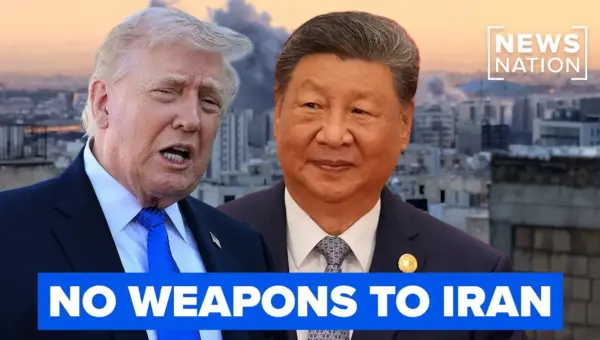
News of China’s alleged support for Iran has drawn a strong reaction from former US President Donald Trump. He stated on social media that any country supplying weapons to Iran would face immediate 50% tariffs on all goods sold to the United States. This warning was specifically aimed at China.
However, Trump later expressed doubt about whether China would actually provide such weapons. He cited his personal relationship with Chinese President Xi Jinping, suggesting that Beijing would not risk this relationship. This mixed messaging highlights potential divisions in how the US approaches the complex relationship with China, especially concerning its dealings with Iran.
Chinese Media and Ambiguity
While official statements from both China and the US downplay or deny direct military support, Chinese state-run media has taken a different approach. Some Chinese media outlets have boasted about how China’s Beidou satellite navigation system has improved the precision of Iranian missile attacks. Additionally, several Chinese firms are reportedly marketing intelligence on Iran’s war efforts, using artificial intelligence and open-source data to track US military movements.
Companies like Jingkun Technology and Mysar Vision claim to use AI to monitor US bomber routes and catalog activity at US bases in the Middle East. This open boasting, despite the secrecy surrounding alleged weapon shipments, suggests a calculated effort by China to signal its capabilities and influence without directly admitting to violating international norms.
Global Impact and Future Scenarios
The potential involvement of China in supplying advanced weaponry to Iran represents a significant escalation in regional tensions. It could embolden Iran and its proxies, leading to further instability in the Middle East. The economic consequences could also be severe, with the threat of widespread US tariffs impacting global trade.
Several future scenarios are possible. China could deny any involvement, relying on the ambiguity of intelligence reports and continuing its support through covert channels. Alternatively, if direct evidence emerges and is widely accepted, it could lead to significant diplomatic fallout and economic sanctions from the US and its allies. The upcoming meeting between former President Trump and President Xi Jinping will be crucial in determining the immediate trajectory of US-China relations and their impact on the ongoing conflict.
Historical Context
China’s relationship with Iran has historical roots, often driven by economic interests and a shared opposition to US influence. The 25-year cooperation agreement signed in 2021 formalized a strategic partnership that has been developing for decades. Past instances of China supplying arms to Iran, such as during the Iran-Iraq War, demonstrate a recurring pattern of Beijing using such relationships to project power and secure its interests.
Economic Leverage
China’s economic power is a key factor in its geopolitical maneuvering. The threat of US tariffs looms large, but China also benefits from its trade relationship with Iran, particularly through oil imports. The intricate web of global trade means that actions taken by one major power can have far-reaching economic consequences for others.
Regional Alliances and Power Balance
The potential strengthening of the Iran-China axis could significantly alter the power balance in the Middle East. It could further isolate rivals of Iran and challenge the security interests of US allies in the region. This dynamic adds another layer of complexity to the already volatile geopolitical landscape.
Conclusion
While definitive proof of China’s direct military involvement remains elusive, the intelligence reports and historical patterns suggest a concerning trend. The upcoming meeting between former President Trump and Xi Jinping will be a critical juncture. The world will be watching to see if this relationship can de-escalate tensions or if it signals a further alignment between two powers often at odds with the United States.
Source: NO!!! CHINA WHAT ARE YOU DOING?! (YouTube)

Related Articles

Oil Prices Surge to $91 Amid Geopolitical Tensions
Oil prices have surged to $91 a barrel, driven by disruptions in the Strait of Hormuz. This is leading to higher gas prices across the U.S., with California facing particularly steep costs. The situation is fueling debate on energy policy, exports, and the transition to renewable fuels.

China’s Iran Gambit: Deception or a New World Order?
President Trump claims China will stop sending weapons to Iran, but deep skepticism remains due to China's past support and use of spy satellites to aid Iran. This move could be a strategic ploy to weaken the US military.
China Backs Strait of Hormuz Blockade, Halts Iran Arms
China has agreed not to supply weapons to Iran and is not opposing the U.S. naval blockade in the Strait of Hormuz. This significant development comes as President Trump prepares for a state visit to China and aims to pressure Iran by controlling vital shipping lanes. The move impacts global trade and reshapes regional power dynamics.