China Backs Strait of Hormuz Blockade, Halts Iran Arms
China has agreed not to supply weapons to Iran and is not opposing the U.S. naval blockade in the Strait of Hormuz. This significant development comes as President Trump prepares for a state visit to China and aims to pressure Iran by controlling vital shipping lanes. The move impacts global trade and reshapes regional power dynamics.

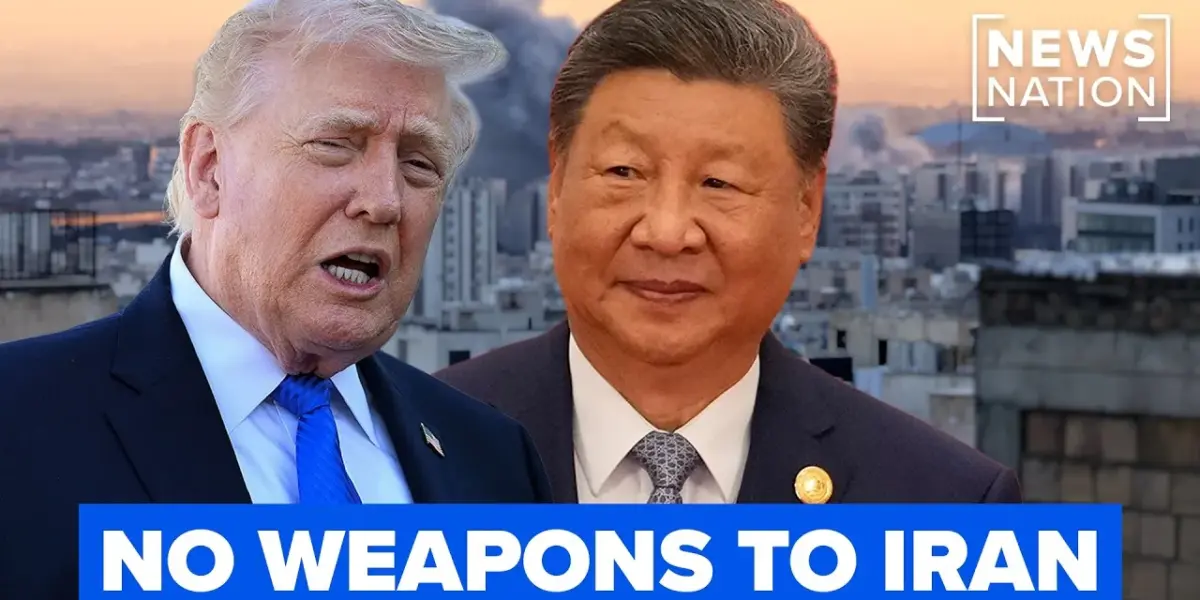
China Sides with US on Strait of Hormuz, Halts Arms to Iran
In a significant shift, China has agreed not to supply weapons to Iran and is not opposing the U.S. naval blockade in the Strait of Hormuz. This move comes as President Trump prepares for a state visit to China in the coming weeks. The U.S. has established a naval blockade to pressure Iran, aiming to cut off its access through the vital waterway connecting the Persian Gulf to the open ocean. This action is part of a broader strategy by the Trump administration to isolate Iran and limit its regional influence.
U.S. Strategy in the Strait of Hormuz
The U.S. naval blockade, now in its third day, has successfully prevented ships from passing through the Strait of Hormuz. Central Command reports that at least nine ships have been turned away. The operation involves over 10,000 U.S. service members and at least a dozen naval vessels. The U.S. Navy states its goal is not to stop all traffic but to choke off Iranian ports. This aims to exert economic and strategic pressure on Tehran. The Strait of Hormuz is a critical global oil transit point. Over 10.5 billion barrels of oil passed through it in 2015, making up 36.1% of China’s total oil imports. Any disruption there has major economic consequences for many nations, especially China.
China’s Interests and Shifting Stance
China has a strong economic interest in keeping the Strait of Hormuz open. Its significant oil imports through this route mean that instability there directly impacts its economy. Historically, China has been a major trading partner with Iran. However, reports had emerged suggesting China might be providing Iran with weapons or intelligence. President Trump directly addressed this concern in a letter to Chinese President Xi Jinping. President Xi reportedly responded, assuring Trump that China would not send weapons to Iran. This assurance, if upheld, represents a major diplomatic win for the U.S. and signals a potential recalibration of China’s regional policy.
Iran’s Response and Regional Concerns
Iran, facing intense pressure from the U.S. blockade, has been critical of the American actions. Tehran has warned of potential retaliation, threatening to target ports in the region or expand its scope to the Red Sea, another crucial shipping lane. Iran is clearly feeling the economic and strategic squeeze. The U.S. naval presence aims to deter any escalation from Iran while maintaining freedom of navigation for other nations.
Historical Context and Geopolitical Dynamics
The Strait of Hormuz has long been a focal point of geopolitical tension. Its strategic importance has led to numerous diplomatic efforts and military posturing over the decades. The current U.S. blockade echoes past actions aimed at controlling maritime traffic and influencing regional powers. China’s involvement, particularly its reliance on oil imports through the strait, places it in a delicate position. While China hosts diplomatic meetings involving various nations, its willingness to align with U.S. objectives regarding Iran marks a notable development. This could indicate a broader trend of major powers seeking stability in critical global chokepoints, even if it involves compromising on past relationships.
Global Impact: Reshaping the World Order
This development has significant implications for the global order. China’s agreement not to supply weapons to Iran and its passive stance on the U.S. blockade suggests a pragmatic approach prioritizing economic stability and avoiding direct confrontation with the United States. For years, China has sought to increase its influence in the Middle East, often positioning itself as an alternative to U.S. leadership. This decision, however, indicates that its economic interests, particularly securing energy supplies, may outweigh its broader geopolitical ambitions in this instance. The U.S. administration views this as a testament to its effective diplomacy and pressure tactics. It could also lead to a more stable environment in the Strait of Hormuz, benefiting global trade. However, it also raises questions about the future of Sino-Iranian relations and China’s long-term strategy in the region.
Future Scenarios
One likely scenario is that China will adhere to its commitment, leading to a period of reduced tensions regarding arms transfers to Iran. This could also pave the way for renewed diplomatic efforts to de-escalate the situation in the Strait of Hormuz. Another possibility is that Iran, feeling cornered, may seek to test the blockade or find alternative means to acquire military capabilities. The long-term impact on the U.S.-China relationship remains to be seen, but this event could either strengthen bilateral ties through cooperation or create new friction points depending on future actions. The U.S. state visit to China will be closely watched for further insights into the evolving relationship between these two global powers.
Source: Trump says China agreed not to supply weapons to Iran (YouTube)

Related Articles


Oil Prices Surge to $91 Amid Geopolitical Tensions
Oil prices have surged to $91 a barrel, driven by disruptions in the Strait of Hormuz. This is leading to higher gas prices across the U.S., with California facing particularly steep costs. The situation is fueling debate on energy policy, exports, and the transition to renewable fuels.

China’s Iran Gambit: Deception or a New World Order?
President Trump claims China will stop sending weapons to Iran, but deep skepticism remains due to China's past support and use of spy satellites to aid Iran. This move could be a strategic ploy to weaken the US military.
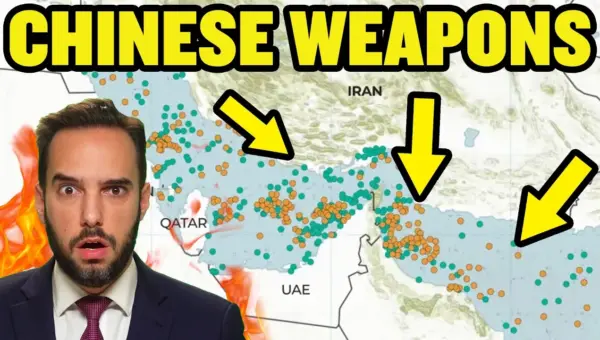
China Aids Iran Amid US Conflict Escalation
Recent intelligence suggests China is secretly supplying Iran with weapons like MANPADS and sharing critical intelligence, a significant escalation from its previous stance. This move, if confirmed, could deepen regional conflict and lead to severe US economic retaliation, while highlighting long-standing strategic ties between Beijing and Tehran.