Trump’s Jesus Image Backfires, Staged Delivery Fails
Donald Trump's attempt to control the narrative after posting a Jesus-like image backfired spectacularly. A staged DoorDash delivery event meant to highlight economic policy instead drew scrutiny due to its implausibility and the exaggerated savings claimed.

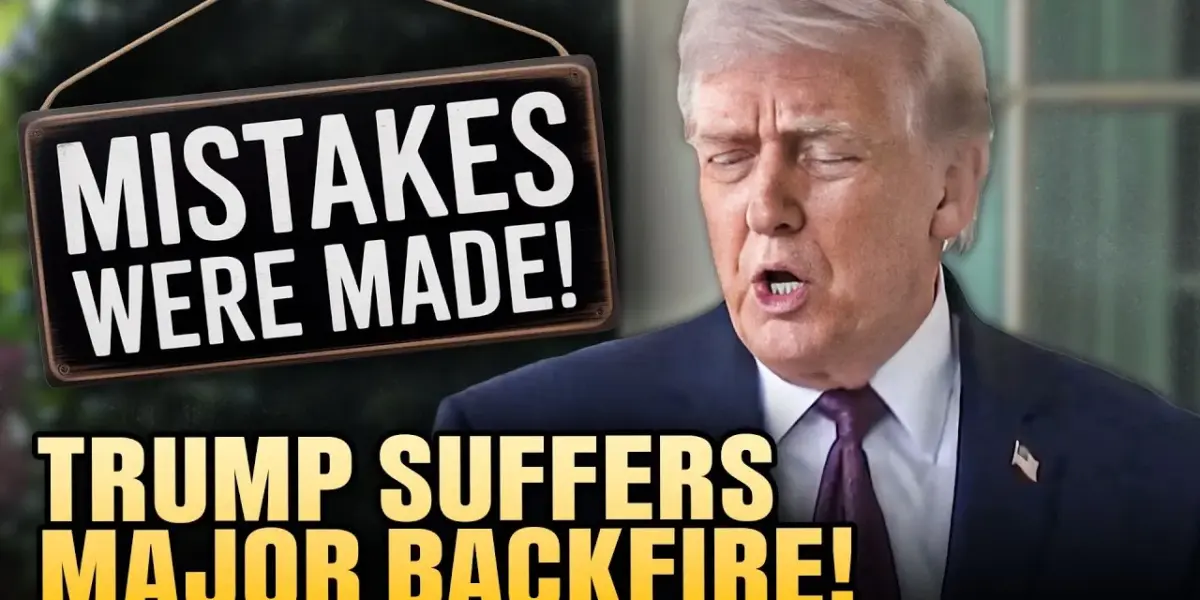
Trump’s Jesus Image Backfires, Staged Delivery Fails
Donald Trump recently posted an image of himself as Jesus Christ on social media. The post quickly drew widespread criticism, even from some of his supporters. Facing a public relations crisis, his team attempted damage control. This effort, however, seemed to backfire, drawing more attention to the original controversy.
The Staged Delivery Event
On the same day the Jesus image was posted, the White House organized a staged event. The scenario involved a DoorDash driver arriving at the White House with food. The driver, who identified herself as a “DoorDash Grandma,” was shown delivering two large bags of McDonald’s. This scene was presented as a spontaneous interaction.
Donald Trump himself appeared to answer the door, greeting the driver. He then invited her to speak with reporters, contrasting her with the “not the nicest people” present. The driver, seemingly unaware the event was staged, agreed to speak with him. Trump suggested she had voted for him, to which she gave an uncertain reply.
The “No Tax on Tips” Talking Point
During the conversation, the DoorDash driver mentioned that a policy from Trump’s presidency had saved her family $11,000 last year. She explained this saving allowed her to fund her husband’s cancer treatment. This detail was highlighted by the White House as a success of Trump’s economic policies, specifically the elimination of taxes on tips.
The driver’s husband’s illness explained why she was working as a DoorDash driver in her older years. She had to take on the job to cover medical bills, a situation attributed to the high cost of healthcare in America. This personal story was meant to resonate with voters and showcase the benefits of Trump’s policies.
Mathematical Implausibility of Savings
However, the claim of saving $11,000 through the “no tax on tips” policy is mathematically impossible, according to analysis. For a married couple, the threshold to qualify for this policy is an annual income of $300,000. If someone earns more than this amount, they do not receive the benefit.
Even if we assume a lower tax rate for someone not making $300,000, the maximum savings are limited. The policy only applied to the first $25,000 in tips. If we use a generous tax rate of 24%, 24% of $25,000 amounts to $6,000. This is the absolute maximum any individual could have saved under this policy.
Therefore, saving $11,000 is not possible. The actual savings for this individual, likely with a much lower tax rate, would have been significantly less than $6,000, possibly only $2,000 or $3,000. While any savings are helpful, especially for medical expenses, the $11,000 figure appears to be a significant exaggeration.
Distraction from Original Controversy
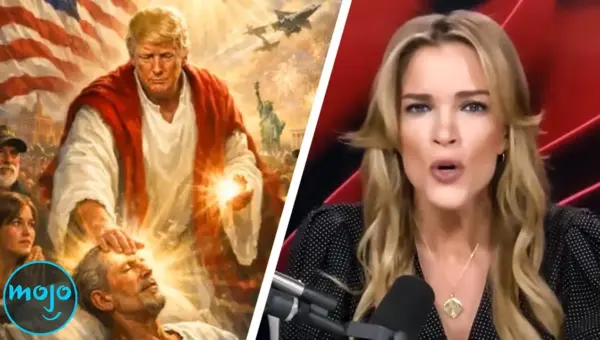
The White House pushed the $11,000 savings story throughout the day. This effort was likely intended to distract from the initial controversy surrounding the Jesus image. Trump himself also addressed the image, claiming he thought he looked like a surgeon, not Jesus.
He argued that the red robe and white garment resembled a doctor’s attire. However, this explanation did not hold up. The image clearly depicted divine elements, including light emanating from his hands and angelic figures. It also included what appeared to be a demon, elements not typically associated with medical professionals.
Conclusion: Failed Damage Control
The staged DoorDash event and the exaggerated savings claim failed to distract from the Jesus image controversy. Instead, the entire incident, from the initial post to the clumsy damage control, drew more negative attention. The attempt to control the narrative backfired, amplifying the awkwardness and implausibility of the administration’s actions.
Why This Matters
This event highlights the challenges of managing public perception in the digital age. When attempts at damage control are perceived as inauthentic or misleading, they can worsen the situation. The reliance on staged events and exaggerated claims can erode public trust. It also raises questions about transparency and the methods used to promote political figures and their policies.
Historical Context
Political figures have long used carefully crafted imagery and narratives to connect with voters. From campaign rallies to carefully worded statements, controlling the message is a key strategy. However, the rise of social media and instant fact-checking means that such attempts are often scrutinized more closely than ever before. The Jesus image incident is a modern example of how easily these carefully constructed images can unravel.
Future Outlook
The incident suggests a need for greater authenticity in political communication. As audiences become more sophisticated, they are quicker to detect manipulation. Future political strategies may need to focus more on genuine engagement and transparent communication. Over-reliance on staged events or unbelievable claims could prove increasingly detrimental to a politician’s standing.
Source: Trump's Attempt At Damage Control Completely Backfires (YouTube)

Related Articles

Trump’s Allies Rebel: Conservatives Slam President’s Policies
Prominent conservative figures and lawmakers are openly criticizing President Trump's policies in 2026, signaling a growing divide within the movement. From Candace Owens questioning the Iran conflict to Senator Rand Paul challenging trade policy, a wave of dissent is challenging the president's agenda.
Trump Threatens Fed Chair Powell, Faces Nomination Blockade
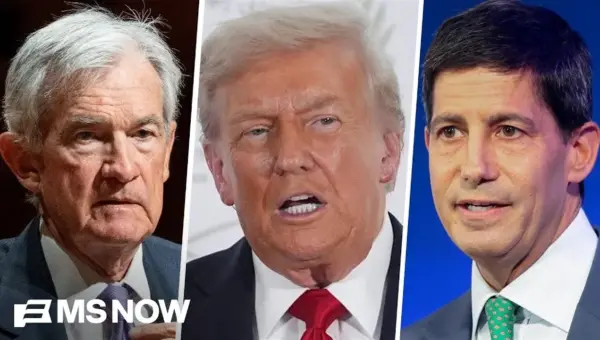
President Trump is threatening to fire Fed Chair Jerome Powell over a renovation probe, creating a political stalemate. Senator Tom Tillis is blocking Trump's nominee, Kevin Warsh, until the investigation concludes. Warsh himself faces scrutiny over his vast personal wealth, estimated between $135-226 million, raising conflict of interest concerns.


Trump’s Grip Weakens as Allies Falter, Democracy’s Future Hinges
Donald Trump's approval ratings are plummeting, even among his core supporters, signaling a potential collapse of the MAGA movement. Global events, like Hungary's shift to democracy, and domestic economic woes are fueling discontent and opening doors for broader political coalitions.