US Navy Blocks Iranian Ships in Hormuz
The U.S. Navy successfully blocked six Iranian-linked ships in the Strait of Hormuz using precise radio warnings. This action ensures global shipping lanes remain open amid rising regional tensions. President Trump has indicated a willingness for renewed peace talks.

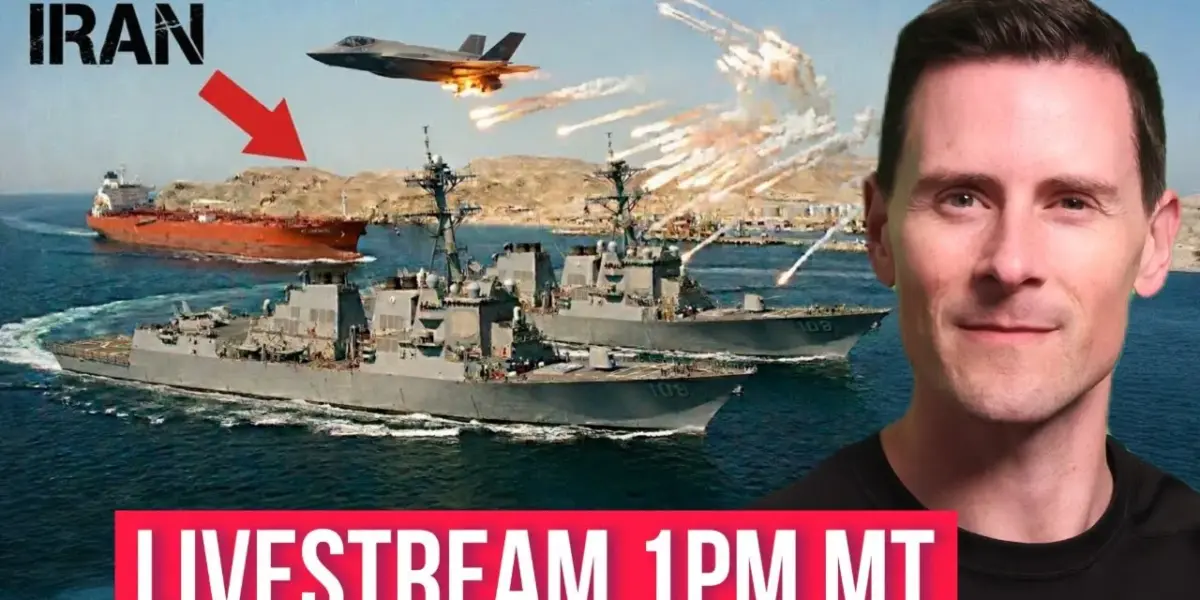
US Navy Blocks Iranian Ships in Hormuz
The U.S. Navy recently took action in the Strait of Hormuz, stopping six ships linked to Iran. These actions were taken to ensure that global shipping lanes remain open and safe. The Navy used precise radio warnings to communicate with the vessels. This event highlights ongoing tensions in a critical global waterway.
Strait of Hormuz Critical Chokepoint
The Strait of Hormuz is a narrow waterway between Iran and the Arabian Peninsula. It connects the Persian Gulf to the Gulf of Oman and the open sea. A significant portion of the world’s oil supply travels through this strait every day. Controlling or disrupting traffic here gives any nation significant economic and strategic power. Because of its importance, naval forces from various countries, including the U.S., regularly patrol the area to ensure freedom of navigation.
U.S. Naval Action
According to reports, U.S. forces intercepted and turned back six vessels identified as being connected to Iran. The operation involved clear radio communication, a standard procedure in naval encounters. The goal was to prevent any disruption to the flow of international commerce. This move is seen as a direct response to potential threats or actions by Iran. Maintaining open shipping lanes is a top priority for the U.S. Navy and its allies.
Diplomatic Signals and Rhetoric
In the wake of these naval actions, President Trump has signaled a potential openness to renewed peace talks. This suggests a dual approach: demonstrating military resolve while keeping diplomatic channels open. Iran, however, has responded with strong rhetoric. This kind of verbal response often accompanies military or naval actions. It serves to project strength and national pride. Yet, the U.S. action in the Strait of Hormuz puts Iran under increasing pressure.
Strategic Implications
The U.S. Navy’s actions in the Strait of Hormuz have several important implications. First, it sends a clear message to Iran about the U.S. commitment to maritime security. Disrupting Iran-linked ships shows that the U.S. is willing to use its naval power to enforce international maritime law. Second, it reinforces the importance of this waterway for global trade. Keeping the strait open is vital for the economies of many nations. Third, the situation puts Iran in a difficult position. Iran faces international scrutiny and potential sanctions, while also needing to protect its interests. The strong rhetoric from Iran may be an attempt to counter the perception of weakness caused by the U.S. naval action.
Historical Context
Naval confrontations in the Strait of Hormuz are not new. Throughout history, this region has been a flashpoint for conflict and tension. Nations have often used control of maritime routes as a strategic advantage. For example, during the Iran-Iraq War in the 1980s, both sides attacked oil tankers and naval vessels in the Persian Gulf. The U.S. Navy played a significant role in protecting shipping during that conflict. These historical events show how critical the strait is and how easily it can become a center of military activity.
What This Means on the Ground
For those monitoring the situation, these events mean increased vigilance in the region. Shipping companies will likely be more cautious. Navies patrolling the area will maintain a heightened state of readiness. The dual approach of military action and diplomatic signaling suggests a complex strategy. The U.S. aims to deter aggression while seeking a de-escalation of tensions. Iran’s response will be closely watched to see if it escalates or seeks a diplomatic path.
Broader Geopolitical Impact
The events in the Strait of Hormuz have wider geopolitical effects. They influence relations between the U.S. and Iran, as well as U.S. relationships with other countries in the Middle East. Allies of the U.S. in the region often rely on secure shipping lanes for their economies. Therefore, U.S. actions to maintain stability in the strait are closely observed. The situation also affects global energy markets, as disruptions can lead to price increases for oil and gas.
Conclusion
The U.S. Navy’s recent operation in the Strait of Hormuz underscores the strategic importance of this vital waterway. By blocking Iranian-linked ships, the U.S. asserted its commitment to maritime security. While Iran has responded with strong words, the situation presents a complex challenge for Tehran. The interplay between military actions, diplomatic overtures, and regional stability continues to shape events in this critical part of the world.
Source: U.S. Military Just Forced Iran Into a Corner They Can’t Escape LIVESTREAM (YouTube)

Related Articles


Oil Prices Surge to $91 Amid Geopolitical Tensions
Oil prices have surged to $91 a barrel, driven by disruptions in the Strait of Hormuz. This is leading to higher gas prices across the U.S., with California facing particularly steep costs. The situation is fueling debate on energy policy, exports, and the transition to renewable fuels.


China’s Iran Gambit: Deception or a New World Order?
President Trump claims China will stop sending weapons to Iran, but deep skepticism remains due to China's past support and use of spy satellites to aid Iran. This move could be a strategic ploy to weaken the US military.

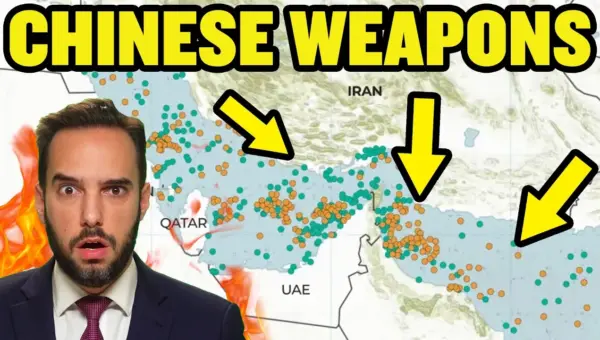
China Aids Iran Amid US Conflict Escalation
Recent intelligence suggests China is secretly supplying Iran with weapons like MANPADS and sharing critical intelligence, a significant escalation from its previous stance. This move, if confirmed, could deepen regional conflict and lead to severe US economic retaliation, while highlighting long-standing strategic ties between Beijing and Tehran.