China Faces Iran War Fallout: Oil, Trade, and Diplomacy at Risk
The ongoing Iran conflict is disrupting global energy supplies, hitting China particularly hard as the world's largest oil importer. Beijing faces economic fallout from reduced exports and rising fuel costs, while also navigating complex diplomatic pressures and potential U.S. tariffs amidst accusations of supporting Iran.

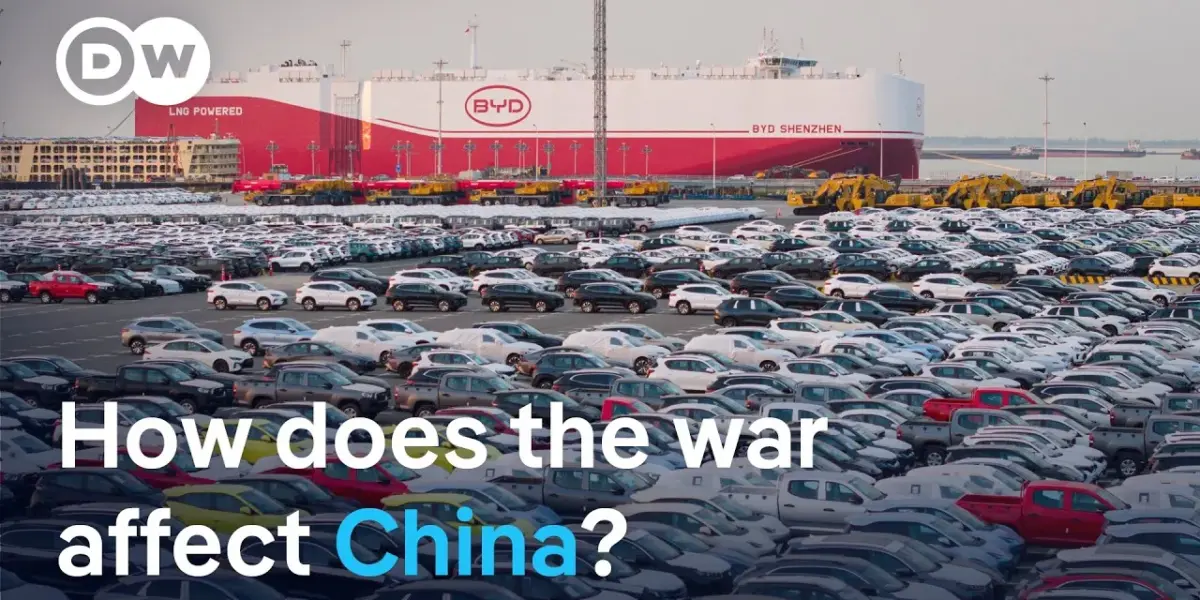
Global Energy Disrupted, China Feels the Pinch
The ongoing conflict in Iran, marked by a U.S. blockade of the Strait of Hormuz, is significantly disrupting global energy supplies. For China, the world’s largest importer of crude oil, the impact is particularly acute. Roughly half of China’s oil imports depend on this vital waterway, and Beijing is the leading buyer of Iranian oil.
Until recently, China maintained a low profile regarding the conflict. However, this changed when Beijing condemned what it called a “dangerous and irresponsible” U.S. blockade of Iranian ports. This statement followed the passage of a Chinese-owned oil tanker, the Rich Stari, through the strait just before the blockade took effect, only for it to be stopped and turned back into the Gulf.
Economic Repercussions for Beijing
The U.S. blockade effectively halts sea trade in and out of Iran. This move has major implications for China, as an astonishing 98% of Iranian oil exports typically go to Chinese markets. While Iranian oil only accounts for about 6.6% of China’s total oil needs, its disruption hits two critical areas: energy security and export growth.
China’s economic growth is heavily reliant on exports, which made up around a third of its gross domestic product last year. These exports have been growing strongly, unlike the domestic economy. However, recent data shows a significant drop in export growth, falling from 40% in February to just 2.5% in March. Even accounting for the Chinese New Year adjustment, this represents a substantial decline of about 20%.
This economic slowdown is a major concern for China. The country’s dependence on global markets means a potential global recession caused by the conflict would severely impact its economy. Furthermore, rising energy prices within China, with gasoline prices up by about 12%, are squeezing factory profit margins. This makes producing goods more expensive, further impacting China’s export capabilities.
Energy Security and Strategic Reserves
China has strategic oil reserves sufficient for three to four months of consumption. However, these reserves are primarily designated for military use and national security, not as a buffer against international supply disruptions. The current situation highlights the vulnerability of China’s energy security.
While China has made significant strides in renewable energy, armies and industrial production still depend on fossil fuels. The rising cost of fuel directly affects manufacturing and production, feeding back into the export sector and creating a complex and problematic situation for Beijing.
Shifting Rhetoric and Diplomatic Stance
The economic pressures are leading to a noticeable shift in China’s tone. President Xi Jinping recently stated during a meeting with the Spanish Prime Minister, “We should strengthen communication, consolidate mutual trust, cooperate closely, oppose the world’s regression to the law of the jungle, and jointly safeguard genuine multilateralism and global peace and development.”
Despite this strong rhetoric, China’s historical approach to international crises, as noted by DW’s China analyst Clifford Kunan, involves strong pronouncements but a tendency to stand back. This is often attributed to China’s risk-averse nature and, in this specific context, the threat of 50% tariffs from the U.S. if China escalates its involvement.
“At the moment what we’re seeing is China very much taking that approach which is usually how it acts in international crises, you know, plenty of rhetoric but still standing back.”
Potential Impact on U.S.-China Relations
The ongoing conflict and its implications for China’s economy and its relationship with Iran could significantly affect the planned May meeting between U.S. and Chinese leaders. There is a strong possibility that the conflict could derail these crucial talks.
For President Trump to meet with Xi Jinping while appearing to make China’s leader look weak, especially if tariffs are imposed, would be politically challenging. The efforts made to build a closer relationship could be undone, requiring significant changes before any meeting can proceed.
China’s Diplomatic Levers
China possesses strategic tools it can use to influence the situation. The country controls a large portion of the global supply of rare earth minerals, which are essential for technology and missile production. In previous trade disputes, China has used controls on these exports to force concessions from the U.S.
This leverage allows China to potentially halt talks without losing face, putting the U.S. in a difficult position. The situation is complex, with many moving parts influencing China’s decisions and international diplomacy.
China and Iran: A Complex Relationship
Andrea Gazelli, a lecturer in international politics, explains that China’s view of the conflict has evolved. Initially, China may have seen itself in a favorable position. However, the risk of escalation, potential ground invasions by U.S. troops, and threats of prolonged conflict have altered Beijing’s calculations.
Gazelli notes that China is now pushing for the Iranians to engage in talks and accept a ceasefire. This is because the conflict’s impact on the global economy undermines China’s growth prospects. While Iran seeks a negotiated end to the conflict, it distrusts the U.S. and Israelis, likely looking to Russia and China as guarantors.
However, China appears reluctant to play the role of a guarantor for a long-term agreement. Enforcing such an agreement would require a significant shift in its Middle Eastern diplomacy, a step Beijing may not be ready to take. This creates a mismatch between what China and Iran desire from a resolution.
Allegations of Military Support
Recent reports suggest Iran may have used a Chinese spy satellite to target U.S. bases. While China denies providing military support and calls such reports fabricated, the accusation adds another layer of complexity.
China has previously provided precursor materials for rockets and dual-use technologies to Iran. The acquisition of a spy satellite, reportedly in late 2024, raises questions about the extent of Chinese involvement. If confirmed, this would represent a significant escalation beyond previous accusations.
The Chinese government spokesperson reiterated China’s commitment to acting prudently and responsibly regarding military exports, emphasizing strict controls. They warned of countermeasures if the U.S. imposes tariffs based on these allegations.
Future Outlook
The current tensions and accusations create significant risks for the upcoming meeting between U.S. and Chinese leaders. While China likely wants the meeting to proceed, its response to the allegations places the decision squarely in President Trump’s hands. The situation remains highly dynamic, with potential for further diplomatic shifts and economic consequences for all parties involved.
Source: What's at stake for China as the Iran war drags on? | DW News (YouTube)

Related Articles

Oil Prices Surge to $91 Amid Geopolitical Tensions
Oil prices have surged to $91 a barrel, driven by disruptions in the Strait of Hormuz. This is leading to higher gas prices across the U.S., with California facing particularly steep costs. The situation is fueling debate on energy policy, exports, and the transition to renewable fuels.

China’s Iran Gambit: Deception or a New World Order?
President Trump claims China will stop sending weapons to Iran, but deep skepticism remains due to China's past support and use of spy satellites to aid Iran. This move could be a strategic ploy to weaken the US military.
China Aids Iran Amid US Conflict Escalation
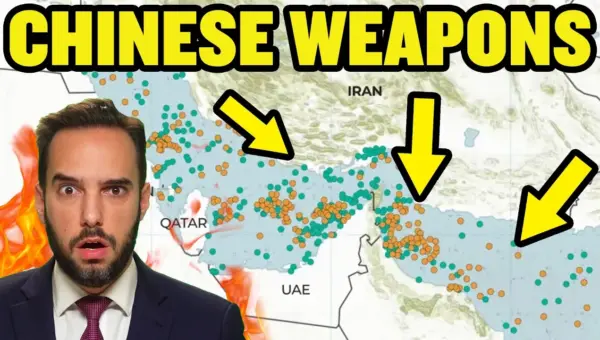
Recent intelligence suggests China is secretly supplying Iran with weapons like MANPADS and sharing critical intelligence, a significant escalation from its previous stance. This move, if confirmed, could deepen regional conflict and lead to severe US economic retaliation, while highlighting long-standing strategic ties between Beijing and Tehran.