Germany, Ukraine Deepen Defense Ties, Boost Air Power
Ukraine and Germany have signed a major defense pact, boosting air defense systems and joint drone production. This strategic partnership aims to enhance European security amidst ongoing Russian strikes on Ukrainian cities. Diplomatic talks continue between Russia and China, while the U.S. reports progress in Iran negotiations.

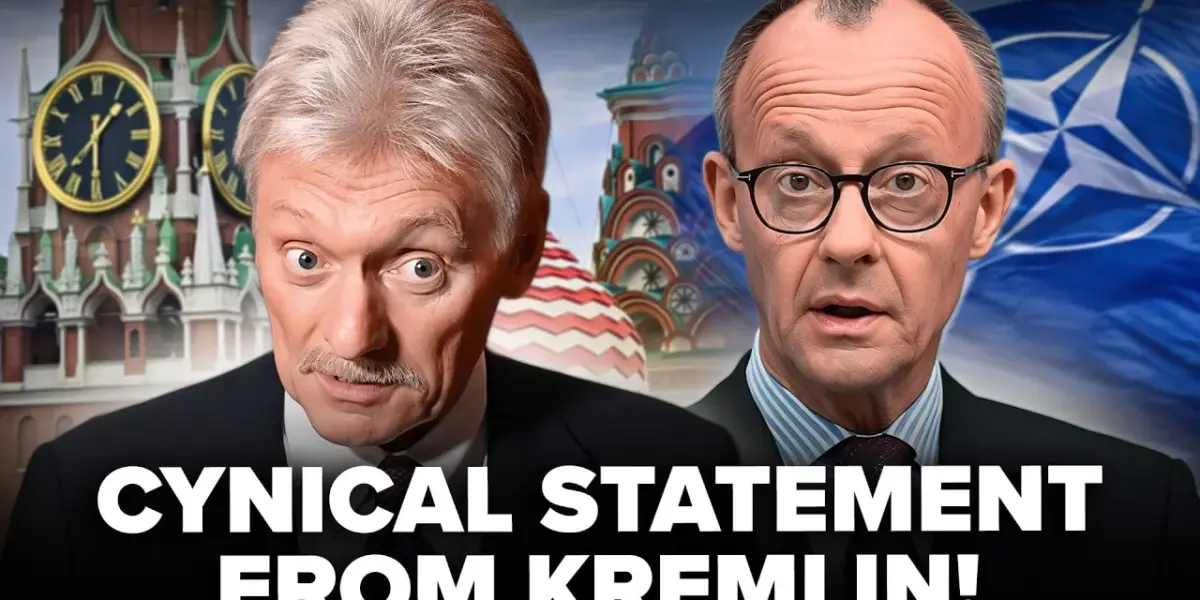
Germany, Ukraine Deepen Defense Ties, Boost Air Power
Ukraine and Germany have signed a significant defense cooperation agreement, aiming to bolster Ukraine’s air defense capabilities and foster joint military production. The deal includes crucial air defense systems, drones, and ammunition, marking a strategic partnership intended to strengthen European security.
German Chancellor Friedrich Merz and Ukrainian President Volodymyr Zelenskyy met to inspect seven types of drones, six aerial and one ground-based, developed by joint enterprises. Zelenskyy highlighted the importance of this collaboration, stating, “This is an important result of our cooperation, and it is important that there will be more.” The agreement signals a commitment to enhancing Europe’s ability to produce critically needed defense equipment within the continent.
President Zelenskyy emphasized the broader need for European security, stating, “We have to ensure that our capabilities are where Europeans can produce here in Europe everything that is critically needed to defend Europe.” He stressed the importance of European industry and technological bases being sufficient to provide reliable protection for all of Europe against any aerial threats, including drones and ballistic missiles.
Russian Attacks Continue Amidst Diplomatic Activity
The security discussions between Ukraine and Germany occurred as Russia continued its attacks on Ukrainian cities. A ballistic missile strike hit a business street in Dnipro, resulting in four fatalities and 15 injuries. This incident underscores the ongoing threat to civilian areas and infrastructure.
Meanwhile, Russian Foreign Minister Sergey Lavrov met with his Chinese counterpart Wang Yi in China to discuss international relations. Lavrov described their discussions as thorough and detailed, focusing on preparing for future high-level contacts between the two nations. He also commented on the global situation, mentioning challenges in Latin America, the Middle East, and the “Ukrainian crisis.” Lavrov characterized the crisis as an attempt by the West to weaken Russia, suggesting that some European nations are using it to form a new bloc targeting Russia.
Kremlin Addresses Domestic Concerns
Kremlin spokesperson Dmitry Peskov addressed concerns within Russia regarding internet and social media restrictions. He stated that security considerations necessitate these measures, which he believes are understood by the majority of Russian citizens. Peskov explained that restrictions on instant messengers are due to foreign companies needing to comply with Russian laws, a practice he noted is common in many countries. He assured that internet services would be restored once the need for these measures passes.
US-Iran Negotiations Progress
In other international developments, U.S. Vice President J.D. Vance indicated that the United States has achieved its primary objectives in Iran and may begin to scale back its military operations there. He described recent negotiations as productive, with both sides making progress. Vance noted that the U.S. clearly outlined its terms and areas of flexibility. The U.S. is awaiting Iran’s response to critical points to finalize any agreement, with further talks potentially scheduled for April 16.
Strategic Implications
The defense agreement between Ukraine and Germany is a significant step in bolstering Ukraine’s long-term defense capabilities. The focus on joint production of air defense systems and drones suggests a strategic shift towards building domestic European defense capacity, reducing reliance on external suppliers. This aligns with President Zelenskyy’s vision of a self-sufficient Europe capable of defending itself. The inclusion of advanced weaponry like ballistic missile defense and drone countermeasures directly addresses current battlefield needs and future threats.
The continued Russian missile strikes on civilian areas, like the one in Dnipro, highlight the urgent need for enhanced air defense. Germany’s commitment to providing these systems is a direct response to this ongoing threat. The cooperation also strengthens the broader European security architecture, potentially creating a more resilient defense network across the continent.
The diplomatic exchanges between Russia and China reflect ongoing efforts to strengthen their bilateral ties amidst Western pressure. Lavrov’s remarks about a Western-created Ukrainian crisis and the formation of a new bloc suggest a continued narrative from Moscow aimed at countering Western influence. This geopolitical maneuvering underscores the complex international landscape shaped by the conflict in Ukraine.
Peskov’s comments on internet restrictions point to the Kremlin’s efforts to control information flow and manage domestic dissent under the guise of security. The response from some Russian citizens indicates a potential undercurrent of dissatisfaction with these measures, suggesting the government’s narrative may not be universally accepted.
The U.S.-Iran negotiations, while presented as progressing, also reveal the delicate balance of diplomacy and pressure in international relations. The U.S. emphasis on clearly defined terms and the potential winding down of operations suggest a strategic assessment of their objectives and the feasibility of achieving them through continued military engagement.
Source: 😱Putin was stunned by this decision! Merz crushed Kremlin. Peskov shocked Russians @TheBriefRight (YouTube)

Related Articles


Oil Prices Surge to $91 Amid Geopolitical Tensions
Oil prices have surged to $91 a barrel, driven by disruptions in the Strait of Hormuz. This is leading to higher gas prices across the U.S., with California facing particularly steep costs. The situation is fueling debate on energy policy, exports, and the transition to renewable fuels.

China’s Iran Gambit: Deception or a New World Order?
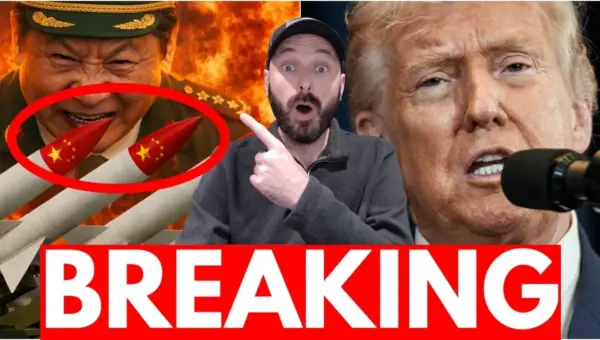
President Trump claims China will stop sending weapons to Iran, but deep skepticism remains due to China's past support and use of spy satellites to aid Iran. This move could be a strategic ploy to weaken the US military.
China Aids Iran Amid US Conflict Escalation
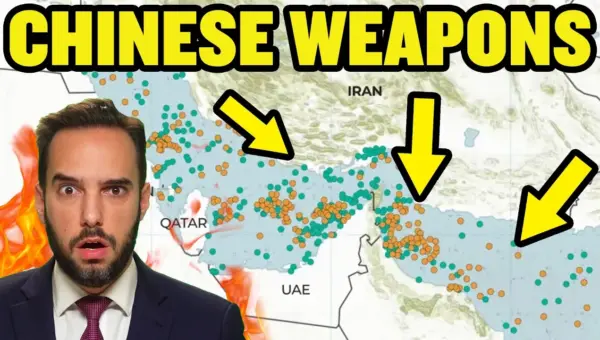
Recent intelligence suggests China is secretly supplying Iran with weapons like MANPADS and sharing critical intelligence, a significant escalation from its previous stance. This move, if confirmed, could deepen regional conflict and lead to severe US economic retaliation, while highlighting long-standing strategic ties between Beijing and Tehran.