Ukraine Strikes Russia’s Oil Assets
Retired U.S. Army officer General Ben Hodges believes Ukraine's strikes on Russian oil and gas infrastructure are a key to victory. He urges continued attacks to cripple Russia's war funding, while dismissing Russian threats and questioning U.S. policy.

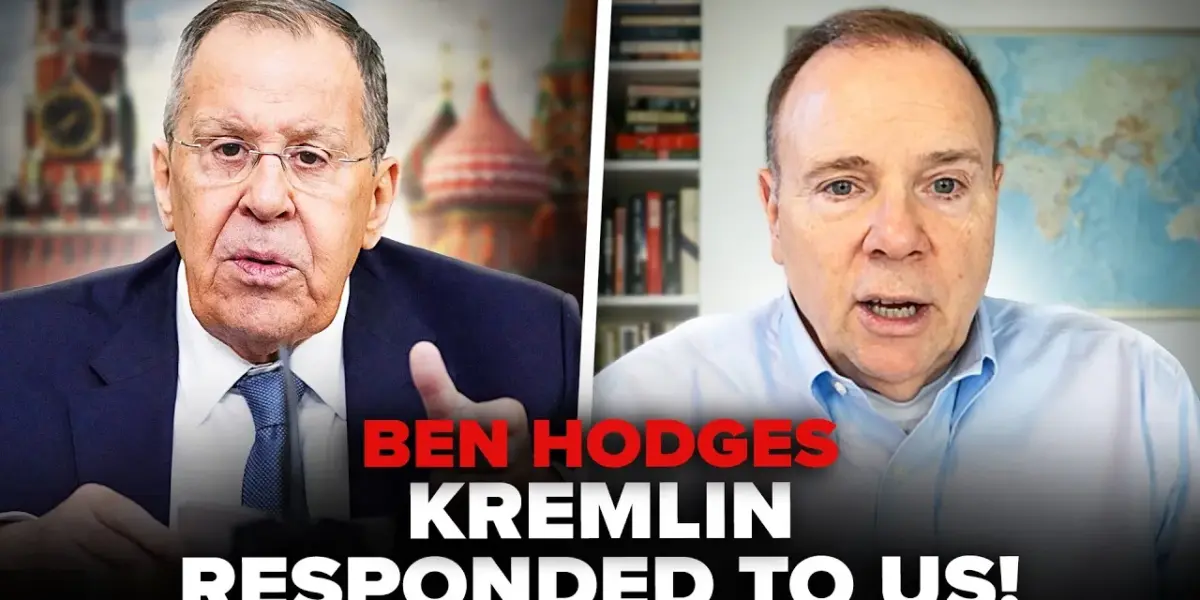
Ukraine Intensifies Strikes on Russian Oil Infrastructure
Recent Ukrainian attacks targeting Russia’s vital oil and gas export infrastructure are proving increasingly effective. Retired U.S. Army officer General Ben Hodges believes these strikes offer Ukraine a clear path toward victory. He stated that as long as Ukraine can continue to hit these refineries and export facilities, it becomes very difficult for Russia to maintain its war effort.
Strategic Importance of Oil and Gas Infrastructure
Russia heavily relies on its oil and gas exports to fund its military operations. By damaging these facilities, Ukraine aims to cripple Russia’s economy and its ability to sustain the conflict. Hodges specifically mentioned that hitting these targets is the quickest way to end the war, as it directly impacts Russia’s financial capacity.
He encouraged European countries to invest in Ukraine’s long-range precision strike capabilities. This would help Ukraine increase the scale of its attacks. Additionally, Hodges suggested that European nations could assist by addressing the issue of Russia’s “shadow fleet” vessels, which are used to circumvent sanctions and continue oil exports.
Russian Rhetoric and Ukrainian Resilience
The article also touches on statements from Russian officials like Sergey Lavrov and Dmitry Peskov. Lavrov has called for security guarantees for Russia, a statement Hodges finds ironic given Russia’s decision to invade Ukraine. Peskov, along with U.S. officials, has sometimes downplayed the significance of disputed territories in Donbas, referring to them as mere “kilometers of territory” or “dirt.” Hodges strongly disagrees with this narrative, emphasizing that these are Ukrainian lands inhabited by hundreds of thousands of people.
Ukraine, through its military intelligence chief Kyrylo Budanov, has indicated progress in peace talks. Budanov suggested that both sides are moving away from maximalist demands and are closer to a compromise. Hodges expressed more trust in information from Budanov than from Russian or even some U.S. negotiating teams.
Concerns Over U.S. Policy and Russian Threats
Hodges voiced concern about the current U.S. administration’s approach, suggesting a lack of a clear shift towards fully supporting Ukraine. He noted that resources have been diverted to the Middle East, potentially reducing U.S. leverage over Ukraine. He also criticized the Trump administration’s past approach for echoing Kremlin narratives and failing to grasp the war’s origins.
Regarding Russian threats, such as setting a two-month deadline to occupy all of Donbas, Hodges views them as largely bluffs. He pointed out that Russia has consistently failed to meet its own timelines and demands due to Ukraine’s successful defense and evolving capabilities.
Broader Geopolitical Context
The loss of Viktor Orbán as a key ally within the European Union is seen as a significant blow to the Kremlin’s influence. Hodges highlighted this as positive news, noting that such outcomes demonstrate that the rise of right-wing extremist parties is not inevitable. He mentioned Fico in Slovakia and Babis in the Czech Republic as other figures who might potentially influence the EU and NATO, though perhaps with less fervor than Orbán.
On the risk of broader escalation involving NATO, Hodges believes Russia is currently too occupied with Ukraine to open another front. He expects Russia to continue with “gray zone operations” like disinformation and infrastructure disruption until Western countries impose meaningful consequences. He stressed that Russia is effectively at war with Europe, even without direct missile strikes on major cities, and that civilian leaders must acknowledge this reality to formulate effective responses.
Ukraine’s Strategy and the Path Forward
Hodges firmly advocates for Ukraine to continue its campaign against Russian oil and gas infrastructure. He dismissed concerns about rising global energy prices as secondary to the need to stop Russia from financing its war. He stated that enabling Russia to produce and export oil and gas benefits only Russia and that the quickest way to a successful end to the war is by preventing Russia from exporting these resources.
Source: ⚡️Ben Hodges: Kremlin is on brink! Cynical statements about war. Putin is losing control (YouTube)

Related Articles


Oil Prices Surge to $91 Amid Geopolitical Tensions
Oil prices have surged to $91 a barrel, driven by disruptions in the Strait of Hormuz. This is leading to higher gas prices across the U.S., with California facing particularly steep costs. The situation is fueling debate on energy policy, exports, and the transition to renewable fuels.

Ukraine War Robots Make Russian Tech Obsolete, Expert Says
Ukraine has achieved a historic military victory using ground robotic systems, marking a potential turning point in warfare. Defense tech expert Igor Novikov described the event as groundbreaking, highlighting the rapid evolution of conflict and Ukraine's role in pioneering its future. The conversation also touched upon concerns regarding UK defense spending and the global implications of proliferating autonomous weapon systems.

China’s Iran Gambit: Deception or a New World Order?
President Trump claims China will stop sending weapons to Iran, but deep skepticism remains due to China's past support and use of spy satellites to aid Iran. This move could be a strategic ploy to weaken the US military.