Vance Event Chaos: Kirk’s Exit Sparks MAGA Feud
Senator JD Vance's event in Athens, Georgia, became a stage for MAGA infighting after Erika Kirk withdrew, citing threats. Candace Owens publicly accused Kirk of fabricating the reasons, sparking a feud and drawing attention to Vance's own controversial remarks during the event.

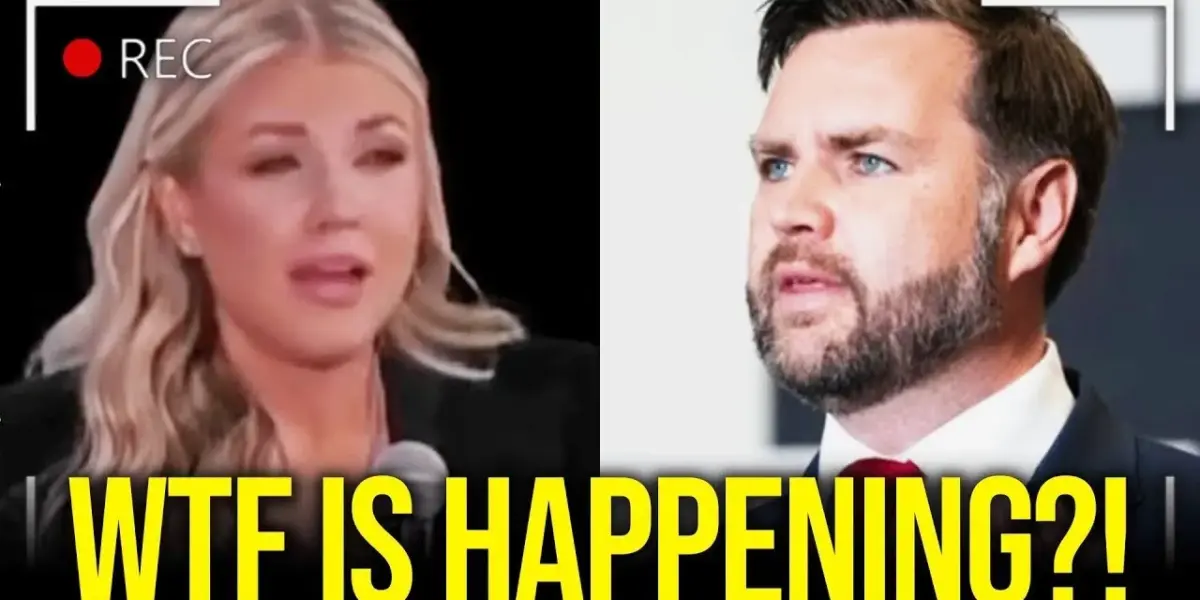
Vance Event Chaos: Kirk’s Exit Sparks MAGA Feud
Senator JD Vance recently held an event in Athens, Georgia, at the University of Georgia. The event, organized by Turning Point USA, was supposed to feature conservative commentator and widow of Charlie Kirk, Erika Kirk, alongside Vance. However, Kirk backed out at the last minute, citing security concerns and threats. This sudden withdrawal has ignited a firestorm within the MAGA movement, particularly between Candace Owens and Erika Kirk.
Erika Kirk’s Withdrawal and Candace Owens’ Accusations
Erika Kirk announced her departure from the event via social media, stating, “I was so looking forward to tonight’s event at the University of Georgia with JD Vance, but after all our family has been through, I take my security team’s recommendations extremely seriously.” This statement followed a Fox News report that mentioned “some very serious threats in her direction.”
Candace Owens, a prominent figure in conservative media, quickly responded with skepticism. She accused Kirk of fabricating the security threats, calling it “PR horseshit.” Owens suggested that the real reason for Kirk’s absence was poor ticket sales for the event, echoing similar issues faced by other Turning Point Faith events. This public spat highlights a growing tension and internal conflict within conservative circles.
JD Vance’s Performance and Controversial Remarks
Meanwhile, JD Vance proceeded with the event alone. The video transcript shows Vance engaging with an audience that seemed less than enthusiastic, with some members heckling him. Vance was questioned about his stance on controversial issues, including the Pope’s comments on war and immigration, and the ongoing conflict in Gaza.
Vance defended his position, suggesting that the Pope should focus on moral issues rather than public policy and that the United States has its own interests to consider. He also claimed that the Trump administration had a better handle on the Gaza situation than the current administration. However, his explanations were met with further challenges from the audience, who accused him of being disingenuous and supporting actions that harm civilians, including children.
One particularly striking exchange involved Vance’s comments on the Pope’s criticism of war. Vance attempted to draw a distinction between the Pope’s views and the historical context of liberating Holocaust survivors from Nazis. An audience member shouted, “God doesn’t support genocide,” to which Vance responded, asking the person to wait their turn to speak, but the interruption underscored the audience’s discomfort with his apparent defense of certain military actions.
The Wider Context: MAGA Infighting and Public Scrutiny
The incident at the University of Georgia is not an isolated event. It reflects a broader trend of internal disagreements and public scrutiny within the MAGA movement. The departure of Erika Kirk and the subsequent accusations by Candace Owens illustrate the intense pressure and public performance expected of figures within this political sphere.
The transcript also touches on the personal lives and public personas of these figures. Erika Kirk’s recent viral videos, where she speaks about prayer and overcoming adversity, have also drawn commentary, with some questioning her sincerity. Similarly, JD Vance’s perceived lack of charisma and his perceived alignment with Donald Trump’s directives are noted. The commentary suggests that Vance’s remarks on Fox News, defending Trump’s controversial social media posts, were particularly PR-driven and lacked genuine conviction.
Why This Matters
This event highlights several key issues. Firstly, it exposes the internal divisions and public disagreements within the MAGA movement. The accusations between Owens and Kirk suggest a struggle for influence and narrative control. Secondly, it raises questions about the sincerity and motivations of political figures. Vance’s attempts to navigate complex foreign policy issues and his defense of Trump’s actions are being met with increasing skepticism.
The focus on security threats, ticket sales, and personal attacks underscores the often harsh and unforgiving nature of modern political discourse, especially within online communities. The scrutiny applied to Erika Kirk, particularly in the wake of her husband’s death, raises concerns about the ethics of public commentary during times of personal grief.
Implications and Future Outlook
The ongoing infighting within the MAGA movement could potentially weaken its unity and impact. As prominent figures publicly clash, it can erode public trust and create confusion among supporters. The scrutiny of Vance’s public appearances and statements suggests that he, like many in his political orbit, faces a constant challenge to maintain a consistent and authentic public image.
The future outlook for such events and the figures involved depends on their ability to manage internal conflicts and respond to public criticism. Whether these public spats are mere distractions or indicative of deeper fractures remains to be seen. However, the intensity of the reactions suggests that the stakes are high for all involved in this highly visible segment of American politics.
Historical Context
The use of public events for political messaging and the subsequent controversies are not new. However, the speed and reach of social media have amplified these dynamics significantly. Figures like JD Vance and Candace Owens rose to prominence within a political landscape shaped by Donald Trump’s populist appeal and his direct engagement with supporters online. Turning Point USA has been instrumental in mobilizing young conservatives and hosting events featuring prominent figures.
The debate surrounding foreign policy, religious influence, and domestic political strategies has a long history. Vance’s defense of American interests against Vatican commentary echoes past tensions between secular governance and religious institutions. The discussions around the conflict in Gaza and the use of military force also tap into deeply rooted debates about international relations and the ethics of war, debates that have intensified in the digital age.
Source: Erika Kirk Disappears as JD Vance SAYS THIS (YouTube)

Related Articles


Trump’s Grip Weakens as Allies Falter, Democracy’s Future Hinges
Donald Trump's approval ratings are plummeting, even among his core supporters, signaling a potential collapse of the MAGA movement. Global events, like Hungary's shift to democracy, and domestic economic woes are fueling discontent and opening doors for broader political coalitions.


Trump’s Base Crumbles: Is MAGA’s Marketing Fading?
Donald Trump's core voter base is reportedly shrinking, even among historically loyal groups. This analysis explores whether the MAGA movement, seen by some as sophisticated marketing, is losing its appeal. The implications for the Republican party and the broader political landscape are significant.


Global Oil Crisis Fuels US Economic Divide
A massive influx of oil tankers to the Gulf of Mexico signals a global supply crisis, not American victory. While some celebrate, the reality points to soaring prices and economic hardship for average Americans, benefiting only big oil companies and traders.