Iran Nuclear Deal: 20 Years Not Enough, Says Ex-Pentagon Official
Former Pentagon official Brent Sadler insists Iran must never obtain nuclear weapons, rejecting a 20-year deal. He argues that economic pressure on Iran's regime may not be enough to deter its nuclear ambitions, emphasizing regime survival as the key driver. The discussion also revisits criticisms of the previous Iran nuclear deal.

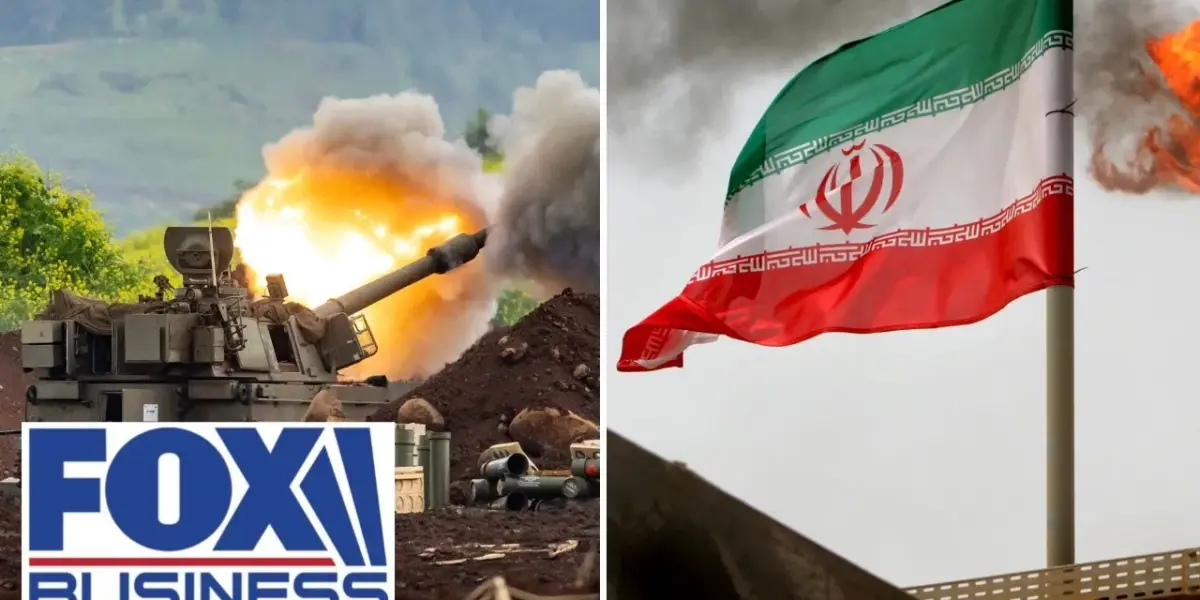
Iran Nuclear Deal: 20 Years Not Enough, Says Ex-Pentagon Official
A former Pentagon official is strongly stating that Iran should never be allowed to develop nuclear weapons, regardless of the timeline. Brent Sadler, a veteran Navy Captain and nuclear engineer with The Heritage Foundation, believes that even a 20-year deal is unacceptable. He emphasized that the only acceptable answer regarding Iran’s nuclear ambitions is a permanent ‘never.’
Recent reports suggest a potential 20-year minimum deal, which President Trump has reportedly rejected. Sadler explained that the focus should remain on preventing Iran from ever obtaining a nuclear bomb. He stated, “5 years, 20 years, none is the only answer that’s acceptable.” This firm stance highlights a significant disagreement on the terms of any potential agreement with Iran.
Iran’s Economic Struggles and Regime Survival
The discussion about Iran’s nuclear program comes as the country faces severe economic challenges. Iran’s economy is described as being in freefall, with a recent 60% increase in the minimum wage failing to keep pace with hyperinflation. Reports indicate that up to half of Iran’s population is living in poverty.
However, Sadler pointed out that economic pressure might not be the primary motivator for the Iranian regime. He suggested that the regime’s actions are driven by a desire for survival, not just financial gain. Sadler noted, “It’s about regime survival.” He believes that if economic blockades on Iranian ports increase pressure and deter its remaining allies, particularly China, the regime might reconsider its current path. This could lead to a change in their negotiating stance.
Concerns Over Past Deal and Diplomacy
The conversation also touched upon past diplomatic efforts, specifically referencing comments by former Secretary of State Hillary Clinton. Clinton suggested that the Obama administration engaged in secret talks with Iran to prevent it from obtaining nuclear weapons. Sadler, however, criticized the previous Iran nuclear deal, known as the Joint Comprehensive Plan of Action (JCPOA).
He argued that the JCPOA had significant flaws, including sunset provisions that would allow Iran to resume enriching uranium after just 15 years. Furthermore, the lifting of sanctions under that deal reportedly provided Iran access to billions of dollars in frozen assets. Sadler believes this approach was not a lasting solution but merely a way to postpone the problem. He stated, “It was a deal that was only going to kick the can down the road.”
What Investors Should Know
The ongoing tensions and the debate over Iran’s nuclear program can create uncertainty in global markets. Geopolitical instability often leads to fluctuations in oil prices, as Iran is a major oil producer. Investors closely watch developments in the Middle East, as conflicts or diplomatic breakthroughs can significantly impact energy markets and broader economic sentiment.
The effectiveness of economic sanctions on Iran’s regime and its impact on the global economy are also key considerations. While sanctions aim to pressure a regime, their success can be uneven, and they can sometimes lead to unintended consequences for international trade and investment. For investors, understanding these geopolitical risks is crucial for managing portfolio exposure, particularly in sectors sensitive to energy prices and international relations.
Long-Term Implications
The long-term implications of Iran’s nuclear ambitions extend beyond immediate economic or political considerations. The proliferation of nuclear weapons in the Middle East could dramatically alter the regional balance of power and increase the risk of conflict. Sadler’s firm stance that Iran can ‘never’ have a nuclear program reflects a deep-seated concern about regional stability and international security.
For the global community, the challenge lies in finding a diplomatic solution that effectively prevents Iran from acquiring nuclear weapons while also addressing the underlying security concerns of regional neighbors. The success of such efforts will shape the future security landscape of the Middle East and influence international relations for years to come. The debate underscores the complex interplay between national security, economic policy, and international diplomacy in a volatile world.
Source: ‘NEVER is the only acceptable answer’: Former Pentagon official on Iran’s nuclear push (YouTube)

Related Articles

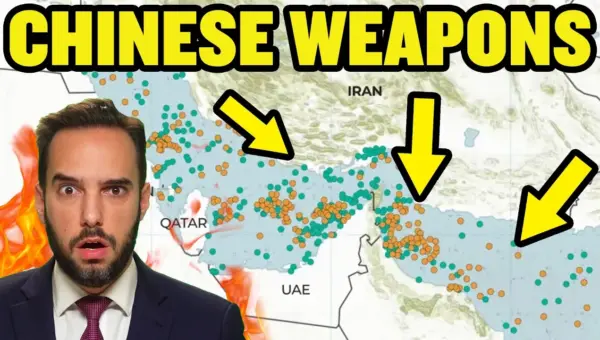
China Aids Iran Amid US Conflict Escalation
Recent intelligence suggests China is secretly supplying Iran with weapons like MANPADS and sharing critical intelligence, a significant escalation from its previous stance. This move, if confirmed, could deepen regional conflict and lead to severe US economic retaliation, while highlighting long-standing strategic ties between Beijing and Tehran.
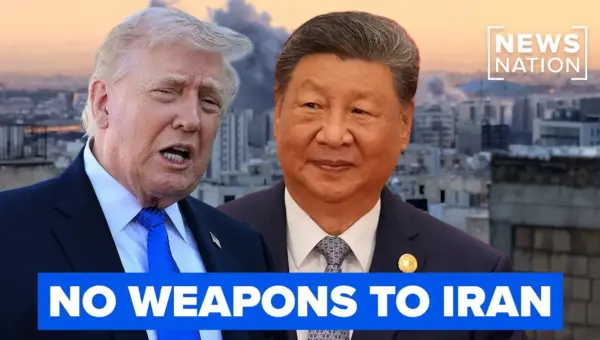
China Backs Strait of Hormuz Blockade, Halts Iran Arms
China has agreed not to supply weapons to Iran and is not opposing the U.S. naval blockade in the Strait of Hormuz. This significant development comes as President Trump prepares for a state visit to China and aims to pressure Iran by controlling vital shipping lanes. The move impacts global trade and reshapes regional power dynamics.
Oil Prices Dip 5% as Iran Port Blockade Eases
Oil prices dropped 5% below $100 a barrel as a U.S. blockade on Iranian ports was fully implemented. Tankers reversed course amid potential peace talks. The administration also highlighted deregulation efforts to boost domestic energy production and exports.