US Beef Labeling Sparks Trade Dispute Fears
A debate over labeling foreign beef in the U.S. has resurfaced. Concerns exist that a lack of clear origin labels hurts American ranchers. Past attempts to implement "Made in America" labels were challenged by Canada and Mexico at the World Trade Organization.

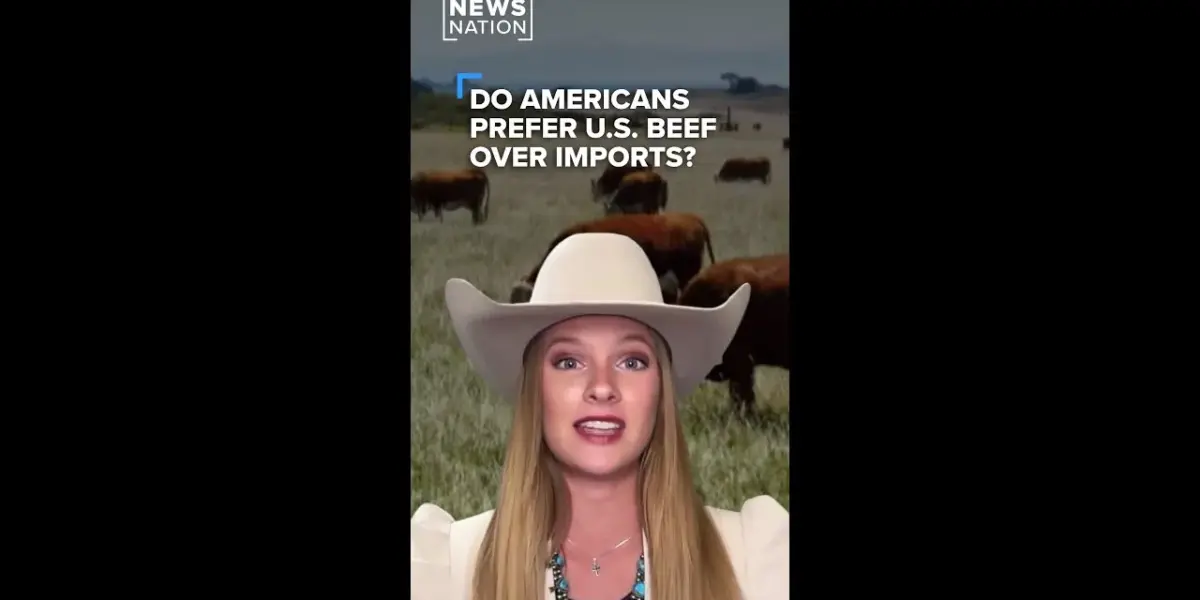
US Beef Labeling Sparks Trade Dispute Fears
A debate is heating up in the United States over how beef is labeled at the grocery store. Many Americans may not know that beef raised in other countries is sold here without a clear label showing its origin. This lack of transparency could be costing American farmers and ranchers business. If shoppers could easily see a “Raised in America” label, they might choose U.S. beef more often.
This issue touches on a larger economic fight. Foreign beef entering the U.S. often comes as “trim.” This is the chopped-up meat used for products like hamburger. Hamburgers are the most popular beef item Americans eat. To keep up with demand, the U.S. imports beef trim. This helps avoid waste and meet customer needs.
The Push for “Made in America” Labels
Some people want to bring back a rule called Mandatory Country of Origin Labeling, or MCOOL. This rule would clearly state where food products come from. It aims to help consumers make informed choices. It would also support American farmers by highlighting their products.
However, bringing back MCOOL is not simple. Countries like Canada and Mexico challenged the rule at the World Trade Organization (WTO). They argued that MCOOL was unfair to their beef exports. The WTO agreed with Canada and Mexico. Because the U.S. was part of the WTO agreement, it had to stop enforcing the MCOOL rule.
Trade Agreements and Global Rules
The situation highlights the power of international trade rules. The U.S. has different trade agreements with different regions. For example, the U.S. is not bound by the same labeling rules with the European Union. But with North American neighbors like Canada and Mexico, trade rules forced the U.S. to change its labeling laws.
This shows how global trade bodies can influence national policies. Even when a country wants to support its own farmers, international agreements can limit its options. The WTO’s decision means the U.S. cannot easily force foreign beef producers to label their products clearly for American consumers.
Economic Interests at Play
American cattle ranchers want consumers to choose their products. They believe clear labeling is key to competing with imports. They worry that without knowing the origin, consumers might unknowingly buy foreign beef, which could be cheaper to produce.
On the other hand, companies that import beef trim have different interests. They need to supply the high demand for ground beef products. Importing trim helps them keep prices stable and meet market needs. They may argue that MCOOL would increase costs and reduce consumer choice.
Canada and Mexico, as major beef exporters to the U.S., are also key players. They want to maintain their access to the U.S. market. They see rules like MCOOL as barriers to their trade. Their success in challenging MCOOL at the WTO shows their commitment to protecting their export industries.
Future Scenarios
One possible future is that the U.S. continues to operate under current labeling rules. This means foreign beef may not be clearly identified. American ranchers might continue to push for changes, but face hurdles from trade agreements.
Another possibility is that the U.S. seeks to renegotiate trade rules. This could involve discussions with Canada, Mexico, and the WTO. The goal would be to find a compromise on labeling that satisfies all parties. However, such negotiations are often long and complex.
A third scenario involves consumer action. If enough Americans demand clearer labeling, stores and producers might voluntarily adopt more transparent practices. This could put pressure on policymakers to act, even without new trade regulations.
Global Impact
This debate over beef labeling is more than just about what’s for dinner. It reflects a global tension between national interests and international trade rules. Countries often want to support their own industries. But they must also follow agreements that govern how countries trade with each other.
The MCOOL case shows that trade disputes can arise over seemingly small issues. These disputes can impact farmers, businesses, and consumers worldwide. It also highlights the power of organizations like the WTO in shaping global commerce. The way this issue is resolved could set a precedent for future trade disagreements.
Source: Do Americans prefer US beef over imports? | Katie Pavlich Tonight (YouTube)

Related Articles


WTO Crumbles, Ushering In Global Trade Wars
The World Trade Organization is collapsing, signaling a return to global trade wars and regional economic blocs. This shift is driven by changing U.S. priorities and the WTO's own structural flaws, forcing countries to find new economic and political models.
China Fights Back: Tariffs Loom Ahead of Trump Visit
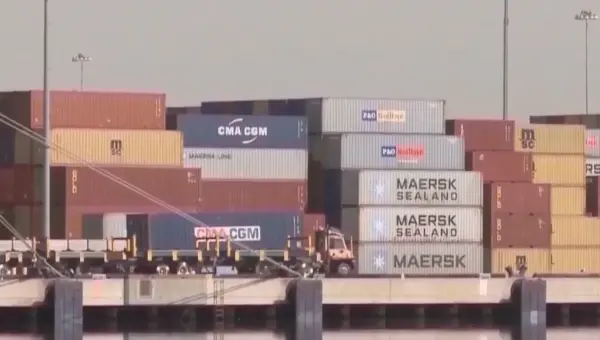
China is retaliating against US trade investigations that could lead to higher tariffs. This escalating trade tension occurs just before a planned visit by President Trump. The dispute involves accusations of unfair practices and impacts global supply chains.

US Tax Day Deadline Looms: Penalties and Refunds at Stake
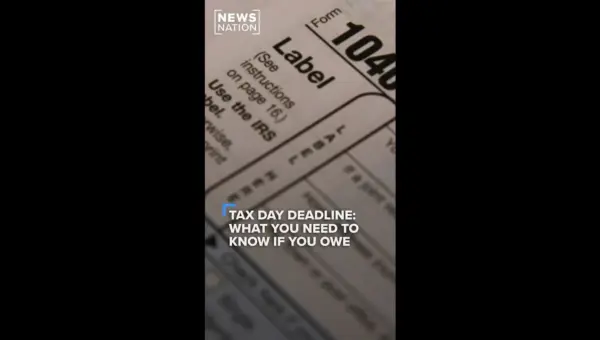
Missing the US Tax Day deadline can lead to penalties and interest if you owe taxes. If you are due a refund, filing within three years is crucial. Extensions grant more time to file, but not to pay.