Hershey Faces Backlash Over Ingredient Changes
Brad Reese, grandson of the inventor of Reese's Peanut Butter Cups, is criticizing Hershey for changing ingredients in its chocolate products. Hershey plans to revert to using real chocolate by 2027, but Reese calls it a PR stunt amid rising cocoa prices and concerns over "skimpflation."

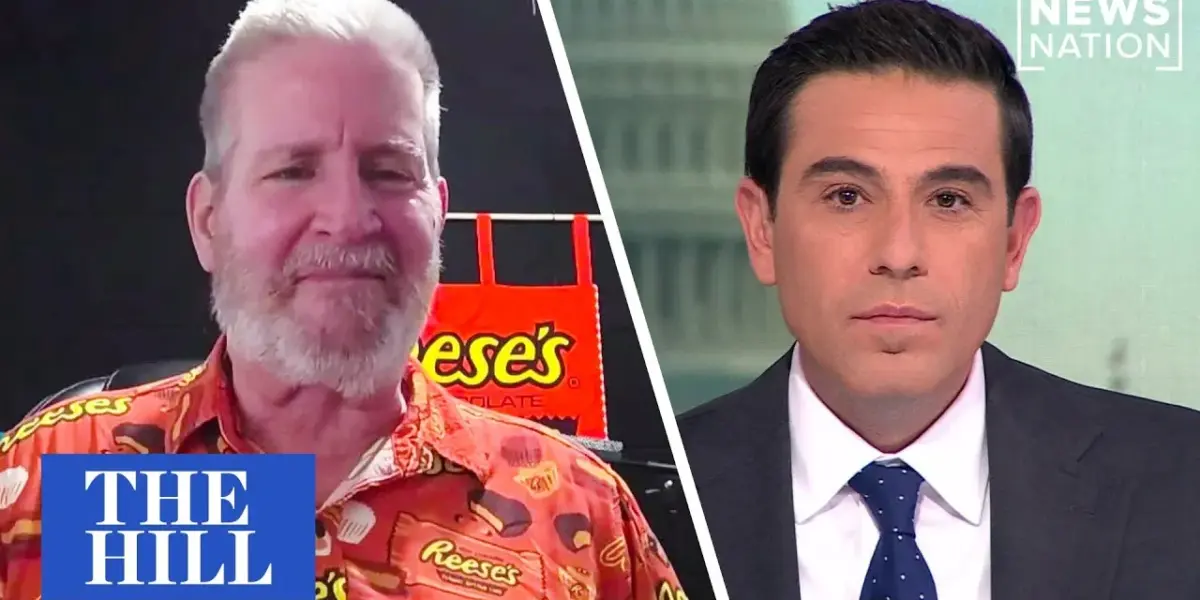
Reese’s Heir Criticizes Hershey’s Ingredient Swaps
A significant debate has erupted in the candy world, and it involves one of America’s most beloved treats: Reese’s Peanut Butter Cups. Brad Reese, the grandson of H.B. Reese, the inventor of the iconic candy, is publicly calling out Hershey, the company that owns the Reese’s brand. Reese claims that Hershey has quietly changed the ingredients in some of its chocolate products, moving away from real chocolate to cheaper alternatives. He tasted a new Reese’s Miniatures product and didn’t recognize the flavor, which prompted his strong reaction.
What’s the Beef? The Ingredient Switch
Brad Reese explained that Hershey seems to have replaced chocolate with a “chocolate compound coating.” This means the coating might not contain cocoa butter, a key ingredient in real chocolate. Instead, it appears to use vegetable oils. Reese expressed frustration over the lack of transparency, stating that the company made these changes without public knowledge. “Calling it chocolate candy or chocolatey, for me, it’s chocolate covered with chocolate. If it doesn’t say milk chocolate, then it doesn’t have cocoa butter,” he stated. He feels this is a form of “skimpflation,” where companies reduce quality to save money while prices remain the same or increase.
Hershey’s Response and Timeline
Hershey has responded to the criticism. The company stated it is committed to making products consumers love and is always reviewing recipes to meet changing tastes. However, Hershey also clarified that the recipes for classic Reese’s Peanut Butter Cups and Hershey’s Milk Chocolate Bars have never changed. They announced plans to return to using milk and dark chocolate in all its treats by 2027. But, Hershey mentioned that only a small portion of its products will require recipe changes. Brad Reese believes this 2027 date is a public relations tactic. He argued that Hershey could switch back to using real chocolate in as little as three days if they chose to. He questions who will hold Hershey accountable by 2027.
Economic Pressures and Company Profits
The controversy comes at a time when the price of cocoa, a main ingredient in chocolate, has seen major swings. This suggests that ingredient costs are a significant factor for candy companies. Brad Reese pointed to Hershey’s financial performance. He mentioned that since 2002, the cash dividend for Hershey’s shareholders has increased by 800%. He believes this profit growth was built on the back of quality products, including Reese’s. He feels that by changing ingredients, the company is not only diluting the Reese’s brand but also affecting other products. He cited Almond Joy and Mr. Goodbar as examples where the chocolate coating may have been changed.
Global Impact and Consumer Trust
While this might seem like a small issue about candy, it touches on larger themes of corporate responsibility and consumer trust. When a company changes the ingredients of a product people have loved for years, especially without clear communication, it can damage that trust. Consumers expect certain quality standards, particularly when buying familiar brands. The use of cheaper ingredients, often called “skimpflation,” is a growing concern across many industries. It’s a way for companies to protect profits in times of rising costs, but it can alienate loyal customers.
Historical Context
The history of food production shows a constant tension between quality and cost. Early food manufacturers often used simpler, more natural ingredients. As global supply chains developed and competition increased, companies began looking for ways to make products more affordably. This has led to the development of various food additives and alternative ingredients. However, consumer awareness and demand for natural or traditional ingredients have also grown. The current situation with Hershey and Reese’s reflects this ongoing push and pull between tradition, cost, and consumer expectations.
Future Scenarios
One possible future is that Hershey’s commitment to return to real chocolate by 2027 will be met. Consumer pressure might force them to act sooner, or they might simply follow through with their stated plan. Another scenario is that consumers continue to express dissatisfaction, leading to a more significant impact on sales and brand loyalty. It’s also possible that other candy companies, facing similar cost pressures, might explore ingredient changes, leading to broader consumer concern about the quality of popular treats.
The Reese’s family connection adds a personal layer to this corporate decision. Brad Reese’s outspoken criticism highlights the importance of brand heritage and the potential disconnect between company leadership and the legacy of their products. The outcome of this situation could influence how other food companies approach ingredient changes in the future.
Source: Reese's candy heir calls out Hershey after changing ingredients | The Hill (YouTube)

Related Articles


Candy Crusader! Dad’s Hottest Take on Sweets
A father's controversial take on candy at an MSG game has gone viral. Declaring candy 'disgusting' unless it's chocolate, he sparked debate among fans. His son, meanwhile, was just trying to enjoy his Sour Patch Kids.


US Tax Day Deadline Looms: Penalties and Refunds at Stake
Missing the US Tax Day deadline can lead to penalties and interest if you owe taxes. If you are due a refund, filing within three years is crucial. Extensions grant more time to file, but not to pay.


China’s Iran Gambit: Deception or a New World Order?
President Trump claims China will stop sending weapons to Iran, but deep skepticism remains due to China's past support and use of spy satellites to aid Iran. This move could be a strategic ploy to weaken the US military.