Pam Bondi Defies Subpoena, Sparking Contempt Fears
Former AG Pam Bondi has defied a lawful congressional subpoena, refusing to appear for a deposition related to the Epstein files. Democrats are threatening contempt charges, while Republicans accuse them of political theater and hypocrisy. The standoff raises questions about accountability and the rule of law.

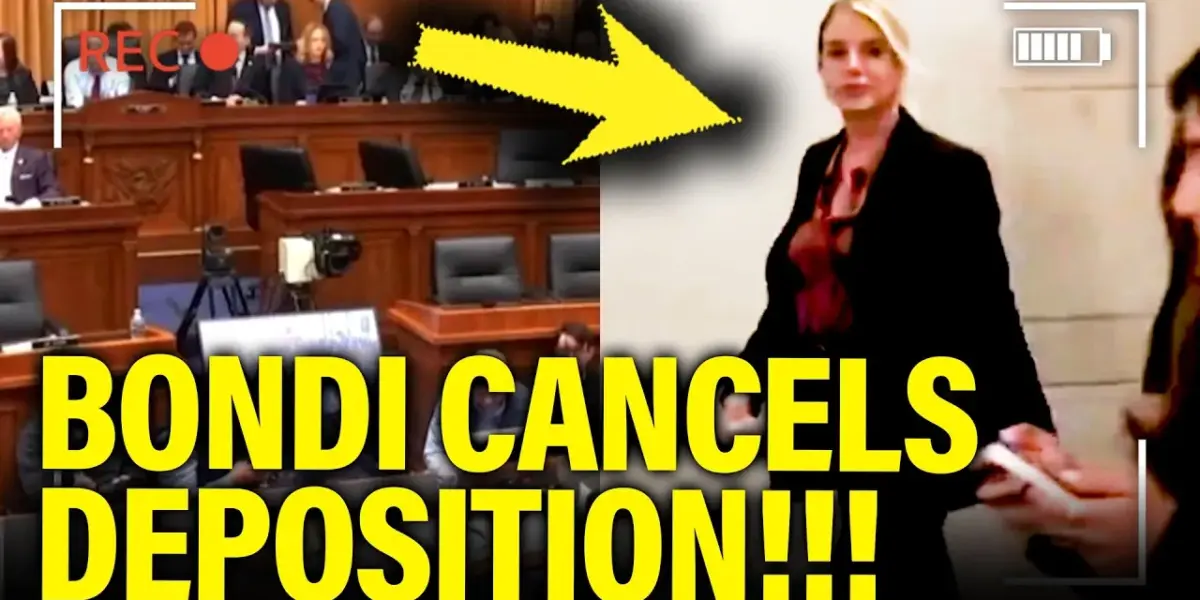
Pam Bondi Skips Deposition, Igniting Congressional Firestorm
Former Florida Attorney General Pam Bondi failed to appear for a scheduled deposition before the House Oversight Committee on April 14th, despite being legally subpoenaed. Her absence has triggered accusations of a cover-up and led to threats of immediate contempt proceedings from Democrats on the committee.
The committee, led by ranking member Robert Garcia, is investigating the handling of documents related to Jeffrey Epstein and alleged cover-ups within the Trump administration. Democrats argue that Bondi’s status as a former official does not exempt her from a lawful subpoena. “Pam Bondi is evading a lawful congressional subpoena by failing to appear before the House Oversight Committee for a deposition about the Epstein files and the White House coverup,” stated Garcia. “This subpoena applies to her regardless of her title.”
The committee has made it clear that if Bondi does not make arrangements to appear immediately, they will pursue contempt charges. “We will fight until there is true accountability and justice,” added Garcia.
Republicans Push Back, Cite Hypocrisy
Republicans on the committee, however, have defended Bondi’s absence, with some suggesting the Democrats’ actions are politically motivated. They point to past instances where Democrats did not pursue similar actions against the Clintons, who they claim also defied subpoenas. “Ranking member Garcia is a hypocrite,” stated one Republican argument. “The Clintons defied lawful subpoenas for 7 months and he said nothing. He even voted against holding them in contempt.”
The Republican perspective suggests that Bondi’s deposition was merely rescheduled, and that the Democrats are creating a “political circus.” They also claim that during a prior voluntary session with Bondi, Democrats refused to ask questions, waiting instead for cameras to be present.
Bondi’s Departure and Department of Justice Response
The timing of Bondi’s scheduled deposition coincided with her departure from her role. Acting Attorney General Todd Blanch, speaking on Fox News, suggested that Bondi’s status as a former official might complicate the subpoena. “What happens now that she’s the former attorney general and there’s the subpoena out there is I think I’ll leave to to Chairman Comr and and others to to figure out,” Blanch stated. He also maintained that the Department of Justice has released all relevant documents related to the Epstein files, stating, “We are not sitting on a single piece of paper. nothing that should be released.”
When questioned about invoking privilege to block Bondi’s testimony, Blanch was non-committal, saying, “I will leave it to Chairman Comr to work out with others. I just don’t have an answer for you, but I’m not I didn’t I’m not committing to anything.”
Melania Trump’s Statement and DOJ’s Stance
Amidst the controversy, Melania Trump issued a statement denying any ties to Jeffrey Epstein and calling for a public hearing for survivors. Todd Blanch acknowledged Trump’s statement, saying, “What she said rings true to me. And what I mean by that is there have been tons of false narratives around her and her relationship or lack thereof with with Miss with Epstein.” He added that her call for Congress to have witnesses come forward is consistent with the Department of Justice’s stance: if victims have evidence, they should report it to the FBI.
Historical Context and Legal Arguments
The situation draws parallels to past congressional investigations where witnesses have invoked various privileges to avoid testimony. The Trump administration has previously cited attorney-client privilege, work product privilege, and deliberative process privilege to withhold documents. The argument from the Trump regime is that these privileges prevent Bondi from testifying about internal communications, potentially shielding sensitive information.
However, Democrats counter that these claims are being used as a pretext to hide damaging information. They draw a distinction between Bondi’s situation and that of the Clintons, noting that Bondi was recently involved and her deposition is crucial to understanding the alleged cover-up, whereas the Clintons had been out of public service for many years.
Broader Implications and Future Outlook
The refusal of a subpoena by a former high-ranking official raises significant questions about accountability and the power of congressional oversight. If Bondi is held in contempt, it could set a precedent for future investigations. The ongoing debate highlights the deep partisan divisions in how such matters are handled and the differing interpretations of legal obligations and congressional authority.
The Epstein files and the alleged cover-up remain a sensitive and politically charged issue. The outcome of this standoff between Pam Bondi and the House Oversight Committee will likely have lasting implications for transparency and the enforcement of legal mandates in high-profile investigations.
Why This Matters
This situation is crucial because it tests the fundamental principles of congressional oversight and the rule of law. When individuals, especially those who have held positions of power, refuse to comply with lawful subpoenas, it weakens the ability of Congress to investigate important matters and hold those in power accountable. The public has a right to know how sensitive issues, like those surrounding Jeffrey Epstein, were handled by government officials. Bondi’s defiance, and the partisan reactions it has drawn, underscore the challenges in achieving transparency and justice when political interests are involved. The potential for contempt proceedings highlights the serious consequences of obstructing a congressional investigation, emphasizing that no one is truly above the law.
Future Outlook
The immediate future will likely involve a decision by the House Oversight Committee on whether to formally pursue contempt charges against Pam Bondi. This process could involve a vote by the full House of Representatives. Regardless of the outcome, the incident is likely to fuel further debate about the extent of executive privilege and the effectiveness of congressional subpoenas. It also keeps the spotlight on the broader investigation into the Epstein files and any alleged cover-ups, suggesting that this saga is far from over and may involve further legal and political battles.
Source: 🚨Bondi CANCELS Deposition and VIOLATES SUBPOENA!!! (YouTube)

Related Articles

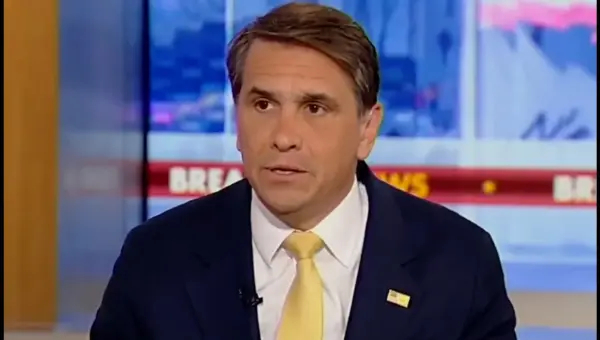
AG Claims Epstein Files Closed, But Evidence Suggests Otherwise
The Department of Justice claims all Jeffrey Epstein files have been released, but critics and victims argue more information is being withheld. Past actions by the administration fuel skepticism, raising questions about transparency and accountability in the justice system.

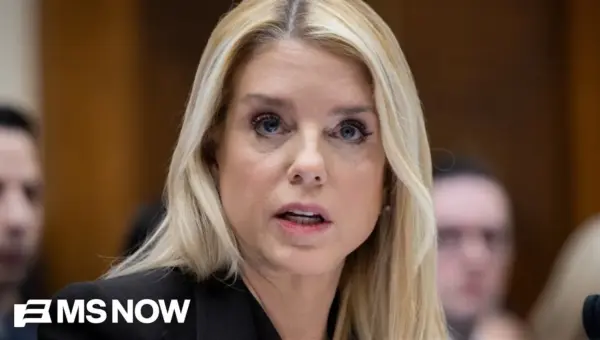
Democrat Rips ‘Mastermind’ Bondi, Demands Accountability in Epstein Probe
Congressman Robert Garcia is pushing for contempt charges against Pam Bondi for skipping a deposition related to the Epstein investigation. He called Bondi the 'mastermind of this White House cover-up.' Garcia also criticized Todd Blanche and the DOJ for withholding documents and demanded more transparency.

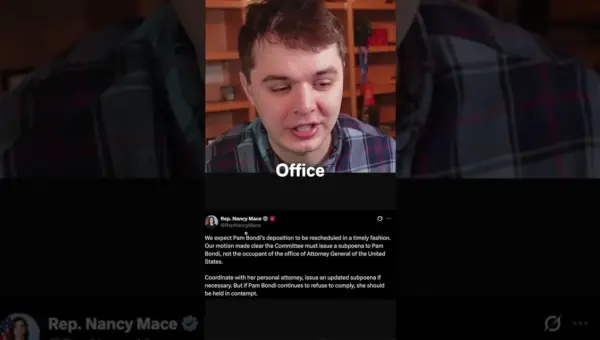
Bondi Dodges Subpoena: Contempt Looms for Trump Ally
Pam Bondi has evaded a bipartisan congressional subpoena, prompting threats of contempt from lawmakers. This move sparks debate on accountability for former officials and the strength of congressional oversight powers. The situation underscores a push for transparency, regardless of political affiliation.