China Should Ditch Iran’s Regime, Analyst Urges
US-Iran peace talks have failed, leading to a US naval blockade in the Strait of Hormuz. Analyst Cheyen Sami suggests this targets China, a major buyer of Iranian oil, and urges China to abandon the Iranian regime to protect its own interests and avoid US tariffs.

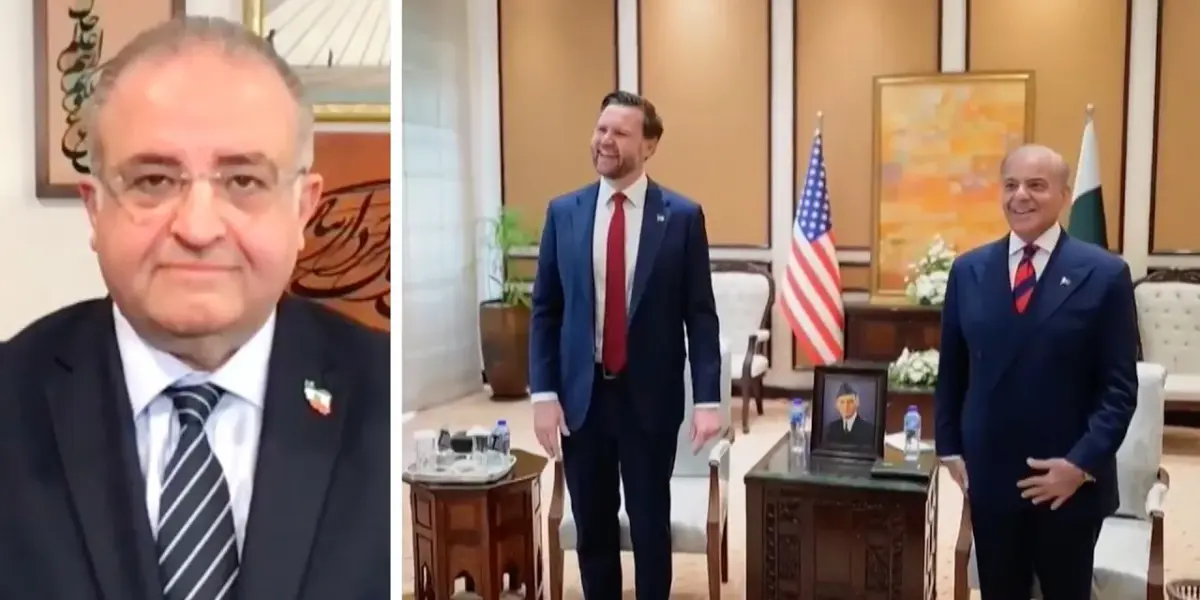
US-Iran Talks Collapse, China Faces Tough Choice
Peace talks between the United States and Iran have ended without a deal. This leaves Iran in a difficult spot, according to US national security analyst Cheyen Sami. He believes the situation is much worse for Iran than for the US. President Trump has stated that all options remain on the table, leaving many to wonder what will happen next.
US Military Strength Against Iran
Sami points out that the United States has significantly weakened Iran’s military. The Iranian navy has been largely destroyed, and its military capabilities are described as almost nonexistent. Furthermore, Iran’s leadership structure is in disarray. The Supreme Leader has been removed, and his successor remains unseen and unheard from, with only written statements appearing. The Islamic Revolutionary Guard Corps (IRGC) is now running the country.
Internal Divisions Hamper Iran
Despite external pressures, Iran faces internal problems. These divisions prevented a deal from being reached. The core issues for negotiation were Iran’s nuclear program, its stockpiled enriched uranium, the range of its ballistic missiles, and its support for proxy groups. However, Iranian representatives reportedly argued about everything except what would benefit the Iranian people. Sami noted that the Iranian people were absent from the discussions. The US remained firm on its demands, while Iranian factions seemed more focused on jockeying for power within their own system. Even when the Parliament Speaker led a delegation, the IRGC sent its own group to monitor them, highlighting the lack of unified purpose.
Naval Blockade Targets China’s Interests
Following the failed talks, the US announced a naval blockade in the Strait of Hormuz for ships using Iranian ports. This action could be aimed at China, a major buyer of Iran’s cheap oil. China has been importing about 90% of its oil needs from Iran. In return, China has been sending goods to Iran that other countries do not want. This deal allowed China to offload unwanted products and get cheap oil. The blockade aims to cut off Iran’s oil exports and prevent the regime from using the revenue for global activities. Sami suggests this is a strong message to the Iranian government: change for the better and improve the lives of its people, or face severe consequences.
European Hesitation and Leadership
Some European countries, including the UK, have taken a different approach. The UK prime minister stated they would help with mine removal but not participate in the blockade. Sami suggests European nations fear that a temporary rise in oil prices could cause public unrest. He believes this shows a lack of strong leadership, as leaders should be able to explain such necessities to their citizens. He references the Hungarian model, where people eventually supported difficult policies after 16 years.
China’s Economic Calculation
President Trump has threatened a 50% tariff on Chinese exports to the US if China is found to be arming Iran. Sami believes China would be wise to abandon the Iranian regime. He suggests China could tell Iran they tried to help but that the regime is beyond saving. China could then focus on dealing with a future government in Iran. This move would allow China to cut its losses. This is especially relevant as President Trump plans to visit China soon. Sami argues that choking off China’s access to cheap Iranian oil and isolating the Iranian government economically gives the US significant leverage. The US can present China with a clear choice: cooperate or face greater losses.
China’s Past Behavior and Future Outlook
China has a history of prioritizing its own interests. When faced with difficult decisions, they have not supported Iran’s leadership. Instead, they have issued vague statements and sought to improve relations with the United States. Sami predicts China will likely abandon the Iranian regime to protect its own economic standing. He notes that President Trump has a history of following through on his threats of imposing tariffs. While past negotiations have occurred, China has previously yielded first. This ongoing conflict reveals complex global dynamics.
Why This Matters
The breakdown of US-Iran talks and the subsequent US actions have significant global implications. The naval blockade and potential tariffs on China highlight a new phase of economic and diplomatic pressure. For China, the decision to continue supporting Iran or to distance itself will have major consequences for its economy and its relationship with the US. For Iran, the internal divisions and external pressure could lead to further instability or a potential shift in policy. The stance of European nations also plays a crucial role, potentially influencing the effectiveness of international pressure on Iran.
Looking Ahead
The future outlook suggests a continued period of tension and strategic maneuvering. China’s economic interests are clearly at odds with supporting a destabilized Iran, especially under the threat of US tariffs. The US appears determined to isolate the Iranian regime economically and militarily. The ability of European nations to manage the economic impact of such policies will be closely watched. Ultimately, the decisions made by key global players like China will significantly shape the trajectory of the situation in Iran and the broader geopolitical landscape.
Historical Context
The current tensions are rooted in decades of complex relations between the US and Iran, particularly following the 1979 Islamic Revolution. Iran’s pursuit of nuclear capabilities and its regional influence have been major points of contention. China’s growing economic power has also made it a significant player in global energy markets and international relations. This situation represents a convergence of these long-standing issues, now intensified by current US foreign policy and China’s evolving global role.
Source: China Would Do Best to Abandon Iranian Regime: Analyst (YouTube)

Related Articles

Iran Blockade Shifts Global Oil Flow to U.S.
A blockade in the Strait of Hormuz has triggered a major shift in global oil supply routes, with supertankers now heading to the U.S. Gulf Coast. Despite geopolitical tensions, markets remain resilient, and corporate profits are projected to rise.

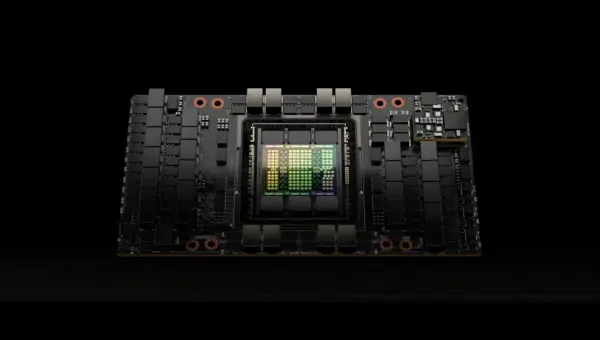
Nvidia Chips Smuggled: China Gains AI Edge?
An investigation into alleged smuggling of $92 million in Nvidia AI chips to China raises national security concerns. U.S. authorities are scrutinizing how advanced technology bypassed export controls, potentially boosting China's military AI capabilities.
Trump’s Tariff Threat: China’s Iran Arms Deal Sparks Crisis
President Trump has warned China against supplying weapons to Iran, threatening a "staggering" 50% tariff if they do. U.S. intelligence reports suggest China may be preparing to send air defense systems, including missiles, to Iran. This development significantly heightens tensions ahead of a crucial summit between President Trump and Chinese President Xi Jinping.