US Blockade of Hormuz: A Brutal Naval War
A detailed breakdown reveals the US plan for a potential blockade of the Strait of Hormuz. It involves advanced destroyers, submarines, and robotic mine-clearing systems. Iran's strategy relies on fast attack boats, sea mines, and hidden missiles. The operation would be complex and dangerous, highlighting global energy security concerns.

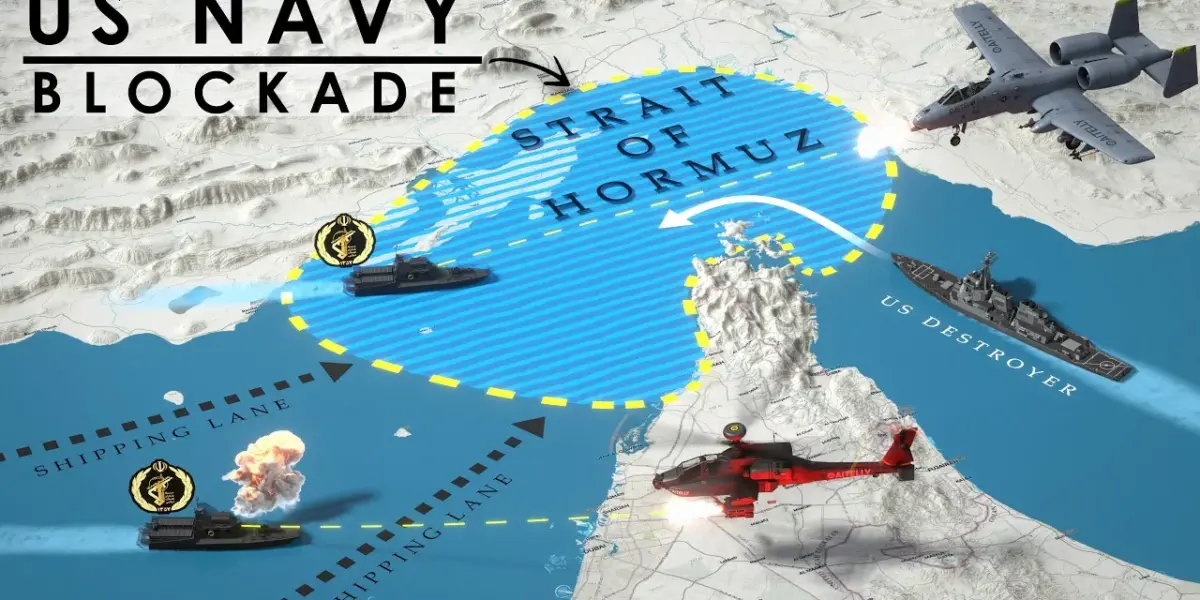
US Plans for Hormuz Blockade: A Brutal Naval War
Imagine the United States military trying to completely shut down the Strait of Hormuz, a vital waterway for global oil. This wouldn’t be a quick or easy fight. It would be one of the most difficult and risky naval operations since World War II. The plan involves multiple phases, using advanced technology and daring tactics to control this narrow, dangerous passage.
Phase 1: The Picket Line and Silent Hunters
The first step is to establish a strong defensive line. Big aircraft carriers are too valuable and vulnerable in these tight waters. Instead, the US would use a group of four to six Arleigh Burke-class guided missile destroyers. These ships would patrol a specific area, with one watching the north near Iran, another in the center, and a third ready as backup. Their combined radar systems would create an invisible shield, spotting anything that moves within seconds. But the real danger isn’t just on the surface. Virginia-class attack submarines would patrol silently deep below, carrying powerful torpedoes. Their mission is to detect and destroy any Iranian Kilo-class submarines that try to break the blockade or lay mines.
Phase 2: Robot Mine Sweepers
Sea mines pose a huge threat. Iran could scatter them throughout the strait, and some might even drift into the waters of neighboring countries. Removing these hidden dangers requires robotic help. The Independence-class Littoral Combat Ship (LCS) acts as a “mother ship” for various drones. It stays safely outside the minefield while its robots do the dangerous work. First, a common unmanned surface vehicle (USV) tows sonar gear to map the seafloor. At the same time, an MH-60 Seahawk helicopter scans the surface for floating mines. When deeper mines are found, the KnifeFish unmanned underwater vehicle (UUV) dives into the danger zone to find and identify them. To clear the mines, another USV uses a special system that mimics the sounds and magnetic signals of a large warship. This tricks the mines into exploding harmlessly.
Phase 3: Air Power vs. Swarm Boats
Iran’s strategy includes using fast, small “mosquito boats.” These boats, traveling at high speeds, can swarm large US warships, making them hard to target. To counter this threat, the US would deploy A-10 Thunderbolt II aircraft. Though known for attacking tanks, the A-10 is very effective against small boats. Flying low, pilots have excellent visibility. They would first use AGM-65 Maverick missiles to target the boats’ engines. Once closer, the A-10’s powerful 30 mm Gatling gun, firing depleted uranium rounds, can tear apart speedboats in seconds. The sheer presence and sound of the A-10 are also a major deterrent.
Phase 4: Apache Helicopters at Sea Level
While A-10s operate at medium altitudes, Apache helicopters would engage at sea level. Operating from US Navy amphibious assault ships, these Boeing AH-64E Apache Guardian helicopters are fast and deadly. Their main weapon against swarm boats is the AGM-114 Hellfire missile, which can be fired rapidly. The Apache also carries a 30 mm chain gun and 70 mm rockets for engaging multiple targets. These helicopters can chase down enemy boats at high speeds, offering a close-quarters, ruthless response.
Iran’s Strategy: Controlling the Choke Point
Iran controls key islands and stretches of coastline in the Strait of Hormuz. At its narrowest, the strait is only about 21 nautical miles wide. Iran’s mountainous northern coast offers natural cover for missile launchers. Islands like Qeshm, Larak, and Abu Musa act as heavily armed outposts right on the edge of shipping lanes. These routes are very narrow, with specific lanes for inbound and outbound ships and a buffer zone. Large cargo ships have little room to maneuver if attacked.
Island Strongholds
- Larak Island: This island sits at the strait’s narrowest point, directly over the shipping lanes. Fast attack boats staged here can reach cargo ships in minutes, enforcing strict no-go zones and physically surrounding vessels.
- Qeshm Island: The largest island, Qeshm serves as Iran’s main military hub. Its rugged terrain hides underground bunkers and mobile anti-ship missile launchers, including the P-15 Termit. It also houses drone bases and radar installations.
- Abu Musa Island: Located further south, closer to rival Arab states, Abu Musa is a fortified early warning center. It extends Iran’s defensive reach, tracking enemy warships and cargo vessels long before they reach the strait.
Iran’s Attack Tactics
Iran’s primary attack method involves swarming. Fleets of 10 to 20 small, radar-evading speedboats, traveling at 50-70 knots, surround a single cargo ship. They target weak points like the bridge and engine room with heavy machine guns and missiles. Some boats carry explosives and act as suicide drones, detonating against the hull. While the crew is distracted, other boats drop tethered mines into the ship’s path, aiming to disable or sink it.
If the swarm doesn’t succeed, Iran uses anti-ship missiles. These are often fired from mobile trucks that quickly retreat into hidden caves. Missiles like the P-15 Termit use a “sea-skimming” technique, flying very low to avoid detection. US destroyers rely on advanced radar systems to track these incoming threats and launch interceptors. Meanwhile, helicopters like the MH-60 Sea Hawk can target the swarm boats from the air.
US Counter-Offensive: Striking First
The ultimate US countermeasure is offense. Allies maintain constant surveillance of Iran’s coastline using drones. If mobile missile launchers or boats loading mines are detected, allied fighter jets and Tomahawk missiles are used to destroy them before they can launch. For hardened targets, like underground missile sites, the US uses powerful GBU-72 bombs. These 5,000-pound, precision-guided munitions can penetrate deep underground structures or thick concrete, ensuring that hidden threats are neutralized.
Why This Matters
The Strait of Hormuz is critical for global energy security. Any conflict there could severely disrupt oil supplies, leading to higher prices and economic instability worldwide. The described US blockade plan highlights the immense complexity and danger involved in controlling such a vital chokepoint. It shows a reliance on advanced technology, robotic systems, and coordinated air and sea power. This scenario also underscores Iran’s asymmetric warfare tactics, using speed, surprise, and unconventional weapons to challenge a much larger military force. The potential for escalation and widespread economic impact makes any conflict in this region a serious global concern.
Implications, Trends, and Future Outlook
This detailed look at a potential Hormuz blockade reveals a growing trend in modern warfare: the integration of unmanned systems. Drones, robotic submarines, and unmanned boats are becoming crucial tools for dangerous missions like mine clearing and swarm boat engagement. This reduces risk to human sailors but introduces new challenges in controlling and coordinating these autonomous assets. The scenario also shows how a smaller nation can use asymmetric tactics to counter a larger, more technologically advanced adversary. Iran’s strategy of using fast boats, mines, and hidden missile launchers is designed to inflict maximum disruption with limited resources. The US response, emphasizing overwhelming firepower and technological superiority, aims to neutralize these threats decisively. Looking ahead, such conflicts will likely continue to blend human and robotic capabilities, with control of vital maritime chokepoints remaining a key strategic objective for global powers.
Historical Context
The Strait of Hormuz has long been a strategically important waterway. For centuries, it has been a key transit point for trade. In modern times, its importance is amplified by the massive flow of oil passing through it daily. During the Iran-Iraq War in the 1980s, the strait became a major battleground, known as the “Tanker War.” Both sides attacked commercial shipping, leading to international naval escorts and increased tensions. The US Navy played a significant role in protecting shipping during that period, highlighting the historical challenges of maintaining freedom of navigation in this volatile region. The current scenario draws parallels to those past conflicts, emphasizing the enduring strategic value and inherent risks associated with the Strait of Hormuz.
Source: How the US Will Blockade Iran in the Strait of Hormuz :Explained (YouTube)

Related Articles

Iran Blockade Shifts Global Oil Flow to U.S.
A blockade in the Strait of Hormuz has triggered a major shift in global oil supply routes, with supertankers now heading to the U.S. Gulf Coast. Despite geopolitical tensions, markets remain resilient, and corporate profits are projected to rise.

US Oil Sanctions Squeeze Iran, Force China’s Hand
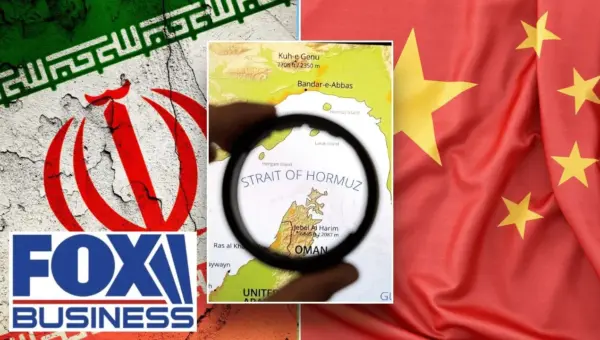
New U.S. oil sanctions on Iran are designed to cripple its economy and halt its nuclear ambitions. The move also puts significant pressure on China, a major oil importer, impacting global energy markets and potentially reshaping supply chains.


Strait Closure Triggers Global Energy Crisis, Recession Looms
The closure of the Strait of Hormuz has triggered the worst energy crisis in history, leading to a severe oil shortage. Experts warn that existing oil reserves are dwindling, and prices could skyrocket. This crisis is expected to cause significant global economic pain, potentially leading to a deep recession through 'demand destruction.'