Rent Prices Plummet: Landlords Slash Costs Nationwide
Rental prices are falling across the US as a surge in new apartment construction overwhelms the market. Landlords are offering incentives like free months' rent to attract tenants. This trend presents opportunities for renters but challenges for investors.


Rent Prices Plummet: Landlords Slash Costs Nationwide
Across the United States, landlords are desperately cutting rental prices. This trend, often called rental deflation, is most visible in major cities. Cities like Austin, Texas, have seen rents drop over 22% in the past three years. Other areas facing similar drops include Fort Myers, Colorado Springs, Phoenix, Denver, Nashville, and Dallas. Apartment operators are becoming very creative to attract tenants. Some are offering three to four months of free rent. This is a significant change from just a few years ago.
Why Are Rents Falling So Fast?
The main reason for this sharp decline in rental prices is a massive increase in available apartments. During the COVID-19 pandemic, builders received permits for a huge number of new apartment buildings. Now, these new buildings are completed and ready for residents. This surge in supply, combined with other market factors, is forcing landlords to lower prices. In some cities, like Austin, rents have fallen so much they are now lower than they were before the pandemic began.
What Does This Mean for Renters and Investors?
For renters, this situation presents a significant opportunity. Falling rents and generous move-in specials mean people can find more affordable housing. It might be a good time to negotiate lease terms or even consider moving to a more desirable location. However, for property investors, especially those who bought recently, this is a challenging period. High construction costs and falling rents can squeeze profit margins. This could impact the expected returns on investment properties.
Broader Economic Factors at Play
Several economic factors are contributing to this shift in the housing market. Higher interest rates make it more expensive for people to buy homes. This pushes more individuals to rent, increasing demand for rental properties. However, the sheer volume of new construction is currently outweighing this demand in many areas. Inflation has also affected household budgets, influencing how much people can afford for rent. The balance between supply, demand, and affordability is constantly shifting.
Understanding Key Real Estate Terms
To better understand the market, it helps to know a few terms. Inventory refers to the total number of homes or apartments available for sale or rent at a given time. When inventory is high, there are many options, which usually leads to lower prices. Cap Rate (Capitalization Rate) is a measure used by real estate investors to estimate the potential return on an investment property. It is calculated by dividing the annual net operating income by the property’s current market value. A higher cap rate generally indicates a better potential return. LTV (Loan-to-Value) is the ratio of the loan amount to the appraised value of the property. Lenders use LTV to assess risk. A lower LTV means the borrower has more equity, which is less risky for the lender. Cash Flow is the net amount of cash generated from an investment property after all expenses are paid. Positive cash flow means the property is making money each month.
Regional Differences and Future Outlook
The impact of falling rents is not uniform across the country. Areas that saw the most significant rent increases during the pandemic and those with the most new apartment construction are experiencing the biggest drops. This includes many Sun Belt cities. Buyers who were hoping to purchase a home might find it more affordable to rent for now. Investors need to carefully analyze local market conditions. They should consider the balance of supply and demand, job growth, and population trends before making investment decisions. The current market suggests a cooling period for rental prices, but future trends will depend on new construction rates, interest rate movements, and overall economic health.
Source: Landlords frantically cutting rents. (Deflation is spreading across Housing Market) (YouTube)

Related Articles
Inflation Jolt Sparks Housing Price Drops
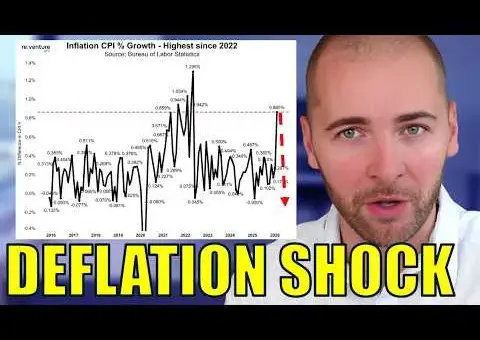
A recent surge in inflation, driven by rising energy costs, is creating uncertainty in the housing market. However, falling rent prices suggest a potential slowdown and even price drops ahead. This shift creates opportunities for savvy buyers to find homes at significant discounts.


Homeownership Dreams Diverge as Rates Soar
Soaring interest rates are creating a significant divide between homeowners, impacting affordability and financial well-being. Buyers must now adjust expectations and financial strategies to navigate the current challenging real estate market.


Inflation Fuels Investor Wealth, Widens Gap
Inflation disproportionately benefits investors over the average person, widening the wealth gap. While rising prices erode purchasing power for most, asset owners often see their wealth grow. Understanding financial concepts like cap rates and LTV is key to navigating these economic differences.