Strait of Hormuz Tensions Threaten Global Economy, Raise Oil Prices
Escalating tensions in the Strait of Hormuz have led to reduced oil shipments and a significant increase in oil prices. Experts warn that the ripple effects will soon hit consumers through higher grocery costs, with price hikes expected around April 29th. The situation remains volatile, with both military and diplomatic developments being closely watched.


Strait of Hormuz Tensions Escalate, Global Economy at Risk
The vital Strait of Hormuz, a key shipping lane for global oil, has become the center of a tense standoff between the United States and Iran. This escalating situation, marked by a U.S. naval blockade of Iranian ports and potential Iranian retaliation, is already impacting global trade and driving up oil prices. Experts warn that if the conflict continues, consumers could face significantly higher costs for fuel and groceries.
Military Standoff Creates Uncertainty
U.S. Navy vessels are reportedly positioned near the Strait of Hormuz, a move that has raised questions about the practicalities and intentions behind President Trump’s strategy. “There are big question marks about the actual logistical military operation,” noted one analyst. The situation is described as a tense standoff, with both sides seemingly waiting to see who will make the next move. Iran had previously implemented a selective blockade, allowing only certain vessels to pass. Now, the U.S. is reportedly blockading ports on Iran’s coastline. In response, Iran has threatened to implement its own blockade on ports across the Gulf states.
Global Economic Repercussions Mount
The potential for a wider conflict in this narrow, strategically important waterway, through which about 20 percent of the world’s oil normally passes, is a major concern. For the past six weeks, shipping through the strait has been significantly reduced, with only Iranian oil exports reportedly increasing. China, a major trading partner with Iran, has stated its ships will continue to move through the Strait of Hormuz, asserting its right to trade and honoring energy agreements. Iran has dismissed the U.S. measures as “ridiculous and laughable.”
Oil Prices Surge, Consumer Costs Soar
The disruption to oil flow is already being felt. “We are now in this situation where, essentially, if President Trump’s Navy vessels go towards the Iranian coastline, well, this could get very, very messy,” one expert warned. If fighting were to break out, a fragile nine-day ceasefire could collapse, leading to a resumption of hostilities. This instability is directly affecting oil prices. “It’s going to jack up the price of oil, and if this goes on to May and June, and the cusp for the driving season, you could easily end up with oil over $150 a barrel, which, obviously, will be a complete nightmare for American consumers,” stated Aaron David Miller, a senior fellow at the Carnegie Endowment for International Peace.
Ripple Effect on Groceries and Inflation
The impact extends beyond fuel. Henrietta Trace, co-founder and director of economic policy at VEDA Partners, explained the ripple effect on everyday goods. “Gas is your first indicator. What comes next is shipping… by that I mean transit across America on trucks… Those are all now more expensive. Diesel prices are well above $5 at this point, nationwide.” This increased cost of transportation, she added, directly leads to higher food prices. “40 to 50 percent of the cost of your food comes from the cost of fertilizer and everything that’s locked up in the street.” With fertilizer costs rising due to oil price increases, consumers can expect to see these costs reflected in their grocery bills. “We should started to see that hit around April 29th,” Trace predicted.
Fragmented Gulf Cooperation
The conflict has also highlighted divisions among Gulf nations. While the United Arab Emirates (UAE) has expressed willingness to assist the U.S. in keeping the Strait of Hormuz open, Saudi Arabia has been engaged in separate diplomatic efforts with Pakistan. Oman, meanwhile, is calling for peace and hoping for a diplomatic resolution. This fragmented approach among key regional players complicates efforts to de-escalate the situation. Despite the tensions, Iran has reduced missile and drone attacks on Gulf neighbors recently, a positive sign amidst the ongoing crisis.
Diplomatic Efforts Amidst Rising Tensions
Amidst the military posturing and economic threats, there are cautious hopes for a diplomatic breakthrough. Reports suggest potential negotiations between the U.S. and Iran, with proposals regarding Iran’s nuclear enrichment program being discussed. “If that is in fact the case, then we actually may have a serious negotiation,” Miller commented, though he also noted the possibility of conflict. The coming days and weeks will be critical in determining whether diplomacy can prevail over military escalation and prevent further economic damage.
Source: Economic expert says to expect increase in grocery prices by April 29th (YouTube)

Related Articles
China Aids Iran Amid US Conflict Escalation
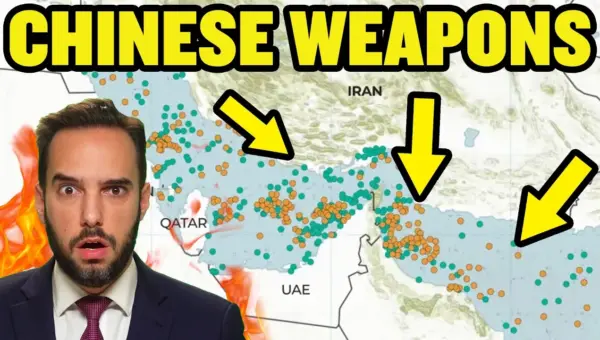
Recent intelligence suggests China is secretly supplying Iran with weapons like MANPADS and sharing critical intelligence, a significant escalation from its previous stance. This move, if confirmed, could deepen regional conflict and lead to severe US economic retaliation, while highlighting long-standing strategic ties between Beijing and Tehran.
China Backs Strait of Hormuz Blockade, Halts Iran Arms
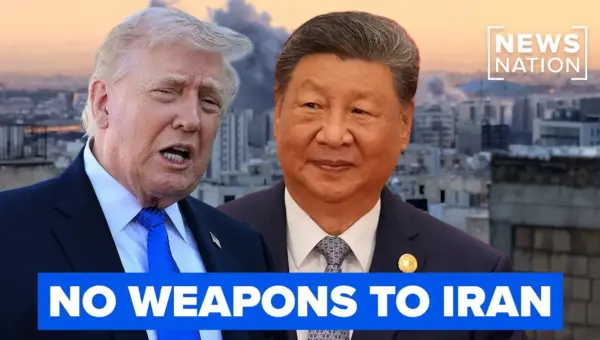
China has agreed not to supply weapons to Iran and is not opposing the U.S. naval blockade in the Strait of Hormuz. This significant development comes as President Trump prepares for a state visit to China and aims to pressure Iran by controlling vital shipping lanes. The move impacts global trade and reshapes regional power dynamics.


US Imposes Iran Port Blockade; Peace Talks Loom Amid Tensions
U.S. forces have fully implemented a blockade on Iranian ports, halting trade amid escalating Middle East tensions. Peace talks between the U.S. and Iran are reportedly on the horizon, though Iran's nuclear program remains a key obstacle. Meanwhile, historic direct talks between Israel and Lebanon took place in Washington, marking a significant diplomatic step.