Everyday Heroes Who Exposed Major Scandals
From the Teapot Dome scandal to the opioid crisis, discover the ten everyday heroes who bravely exposed major cover-ups and corruption, changing the course of history. Their stories highlight the power of individual courage.

From Watergate to the Opioid Crisis: The Unsung Heroes Who Dared to Speak Out
In a world often dominated by the machinations of the powerful, it’s the courage of ordinary individuals that frequently brings hidden truths to light. From political corruption to corporate malfeasance and military cover-ups, history is replete with instances where a single person, armed with integrity and a commitment to justice, has exposed monumental scandals. A recent exploration into these pivotal moments highlights ten such individuals whose actions not only unveiled nefarious deeds but also irrevocably shaped public discourse and policy.
The Teapot Dome Scandal: A Wyoming Oilman’s Suspicion
One of the most significant presidential scandals of the 20th century, the Teapot Dome scandal, predated Watergate and was once considered the biggest in American government history. In 1922, the federal government controlled vast oil fields, including the Teapot Dome in Wyoming, designated for naval use during crises. However, Interior Secretary Albert Fall, in a blatant act of corruption, accepted bribes to lease two of these fields to major oil companies under exceptionally favorable terms. The alarm was first raised by Leslie Miller, a Wyoming oilman, who grew suspicious when he noticed private trucks hauling equipment into the area. His decision to contact his senator initiated an investigation that ultimately exposed Fall’s family as having mysteriously received $200,000 in government bonds. The ensuing Senate investigation led to Fall’s imprisonment, and Harry Sinclair, head of Mammoth Oil, was also jailed for contempt. Miller, vindicated, went on to become the governor of Wyoming.
Erin Brockovich vs. PG&E: Toxic Truths in Hinckley
The story of Erin Brockovich, a legal clerk turned environmental activist, is a testament to the power of persistent inquiry. While working for a small law firm, Brockovich stumbled upon a disturbing pattern of illness in Hinckley, California. Pacific Gas and Electric Company (PG&E) had been dumping hundreds of millions of gallons of contaminated wastewater into local ponds, leading to widespread sickness. Brockovich discovered that PG&E had been aware for decades that toxic chemicals were seeping into the groundwater and had deliberately concealed this information. Her collaboration with lawyer Edward Masry led to a landmark class-action lawsuit, forcing PG&E to settle for over $300 million. Brockovich’s tenacity transformed her into a celebrated advocate for environmental justice, a TV host, and a legal consultant.
Karen Silkwood and the Kerr-McGee Nuclear Cover-Up
In the early 1970s, the Kerr-McGee Cimarron fuel fabrication site in Oklahoma was plagued by safety issues, which the company desperately tried to suppress. Karen Silkwood, a technician at the plant, began to document hazardous working conditions, faulty safety equipment, and missing plutonium. She discovered that company records had been deliberately falsified to hide the extent of the problems. Silkwood meticulously gathered evidence and planned to meet with a national reporter to expose the truth. Tragically, she died under highly suspicious circumstances en route to the meeting, and her crucial documents vanished. Despite the unresolved nature of her death, her report was sufficient to trigger an investigation that led to the closure of Kerr-McGee’s nuclear plants the following year.
Adrian Schoolcraft: Unmasking NYPD Corruption
Adrian Schoolcraft, a police officer with the NYPD, took a courageous stand against internal corruption in the late 2000s. He began secretly recording conversations with his colleagues, capturing evidence of illegal arrest quotas and the intentional underreporting of crime statistics. These practices were designed to inflate precinct performance metrics, often at the expense of citizens’ rights. Schoolcraft’s recordings revealed a system prioritizing numbers over justice, where arrests were made for minor offenses or no offense at all. Despite facing significant retaliation and harassment for his whistleblowing, Schoolcraft pursued legal action and received a substantial settlement, proving that exposing such egregious behavior was too costly for the department to ignore. His actions echoed those of Frank Serpico, who famously exposed deep-rooted corruption within the NYPD in the 1970s.
Chelsea Manning and the Iraq/Afghanistan War Logs
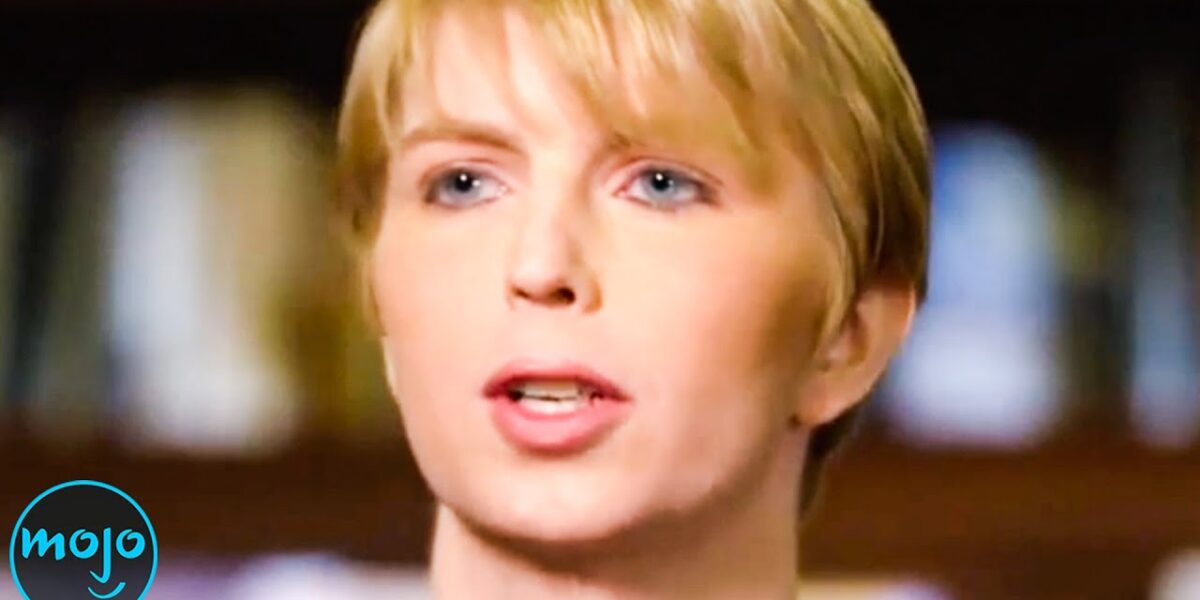
Chelsea Manning, a former U.S. Army intelligence analyst, made headlines for leaking hundreds of thousands of classified documents related to U.S. military actions in Iraq and Afghanistan. Her decision, she stated, was to help the American people understand the realities of these conflicts. The documents, passed to WikiLeaks, revealed controversial military actions, including the deaths of civilians and journalists, and other alleged atrocities. The leak ignited a global debate about government transparency, national security, and the ethics of whistleblowing. Manning was subsequently imprisoned for seven years but was released in 2021.
Ronald Ridenhour and the My Lai Massacre
The My Lai Massacre, a horrific event during the Vietnam War where U.S. Army soldiers murdered between 350 and 500 unarmed Vietnamese civilians, including women, children, and the elderly, was initially covered up as an ordinary battle. Helicopter gunner Ronald Ridenhour, though not present at the massacre itself, became aware of the horrific aftermath and took it upon himself to seek justice. He meticulously gathered testimonies and sent detailed letters to Congress and President Nixon, demanding an investigation. Ridenhour’s persistent efforts were instrumental in exposing the truth of the massacre, leading to a military investigation and holding some perpetrators accountable. His actions underscored Winston Churchill’s sentiment: “A country without a conscience is a country without a soul.”
Barry Meier and Purdue Pharma’s Opioid Deception
Investigative reporter Barry Meier played a crucial role in exposing the role of Purdue Pharma and the Sackler family in fueling the opioid epidemic. Meier’s reporting revealed how Purdue Pharma aggressively marketed OxyContin to doctors while deliberately downplaying its highly addictive nature and exaggerating its benefits. The company was aware of the significant risk of dependence but actively concealed this information, even as OxyContin began appearing on the streets and was prescribed without proper medical justification. Meier’s work, aided by a Purdue insider, provided the critical evidence needed to expose the company’s fraudulent practices. Purdue Pharma has since filed for bankruptcy, facing billions in fines and settlements, though the human cost of the epidemic remains immeasurable.
Reality Winner and Russian Election Interference
In the aftermath of the 2016 U.S. Presidential election, widespread concerns about Russian interference gained traction. Reality Winner, a former NSA contractor with top-secret clearance, leaked a classified NSA report that provided concrete evidence of a Russian military cyberattack targeting U.S. voting software companies. This leak was instrumental in confirming the extent of Russian interference to the public. While Winner anonymously mailed the document to The Intercept, the publication’s handling of the leak inadvertently revealed her identity, leading to her arrest. She was sentenced to five years in prison but was released early for good behavior, emphasizing her belief that “the truth is one of the most important things in the world.”
The Tuskegee Syphilis Study: A Public Health Service Whistleblower
For four decades, the U.S. Public Health Service conducted a deeply unethical study on hundreds of African American men in Tuskegee, Alabama, intentionally withholding syphilis treatment to observe the disease’s progression without the participants’ consent. This “disgraceful episode” resulted in the deaths of over 100 men and left many others with severe health complications. The study only came to an end in 1972, thanks to Peter Buxtons, a whistleblower within the Public Health Service. Shocked by the study’s nature, Buxtons repeatedly appealed to his superiors, but his concerns were ignored. He ultimately leaked the information to a reporter, leading to front-page news and the immediate termination of the study. Despite the exposure, no one was ever held accountable for their role in this racist and cruel experiment.
Frank Wills and the Watergate Hotel Security Guard
The Watergate scandal, arguably the most infamous in U.S. history, was brought to light by an unlikely hero: Frank Wills, a 24-year-old security guard at the Watergate Hotel. In the early morning hours of June 17, 1972, Wills noticed duct tape covering a latch on a door, preventing it from locking properly. His diligence in calling the police led to the arrest of five men who were operatives working for President Richard Nixon’s re-election campaign, attempting to bug the Democratic National Committee headquarters. Despite his pivotal role in uncovering the scandal, Wills faced significant difficulty finding employment and spent much of his later life in poverty, a stark reminder of the personal sacrifices often made by those who expose wrongdoing.
These ten individuals, through their bravery and determination, serve as powerful reminders that ordinary people can indeed challenge the status quo and bring about significant change. Their stories inspire us to question, to investigate, and to stand up for truth, even in the face of overwhelming power and potential personal risk.
Source: 10 Shocking Coverups EXPOSED by Normal People (YouTube)

Related Articles


Exposed: Duo Behind Pro-Russia Podcast Funded Paramilitaries
An investigation has revealed the identities of the hosts behind the pro-Russia podcast "Russians with Attitude." The hosts, identified as Kiril Kamyki and Eldar Darlov, not only promoted pro-war narratives but also fundraised for Russian paramilitary groups. Some platforms have taken action, while others have not.

Government Under Fire Amid UFO Sightings and Missing Persons
A series of UFO sightings and the mysterious disappearances of individuals with security clearances, including Steven Garcia, are raising national security concerns. Investigators are seeking connections, while questions linger about government transparency and potential cover-ups.

TV Stars’ Dark Secrets: Shocking Crimes Revealed!
Beloved TV stars have been involved in shocking real-life crimes, from sexual assault and fraud to murder. This article explores the disturbing cases of figures like Bill Cosby, Danny Masterson, and the Chrisley family. These scandals shattered public illusions and brought severe legal consequences.