A Shift in Sentiment: Young Voters Who Backed Trump Now Express Profound Regret

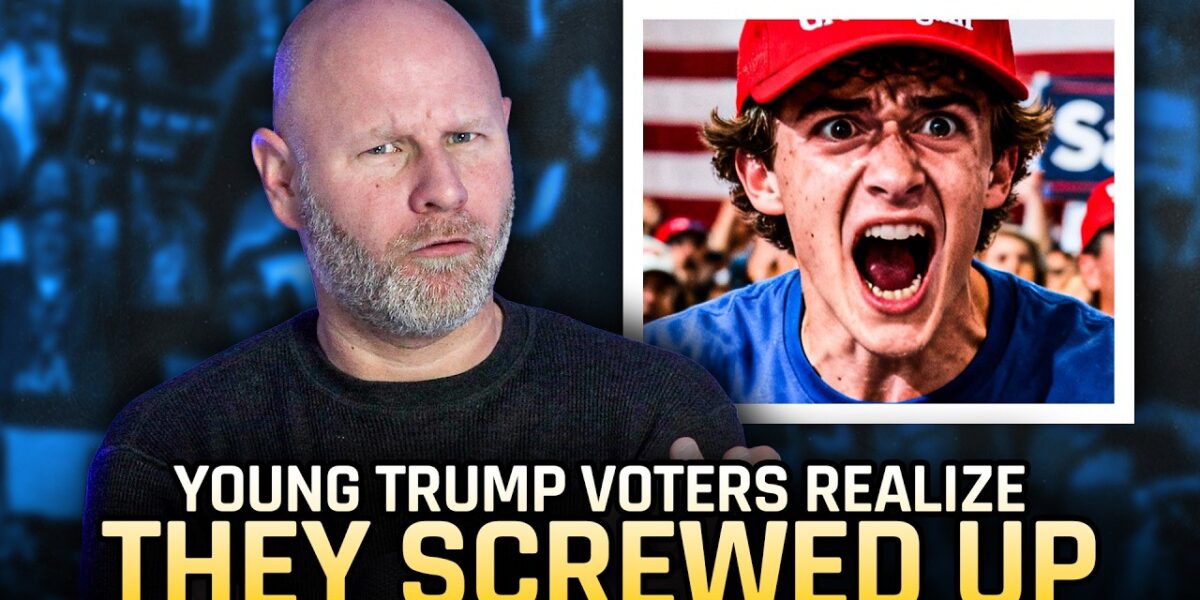
Gen Z’s Political Awakening: Former Trump Supporters Voice Disillusionment Ahead of 2024 Election
A notable shift in political sentiment appears to be underway among a segment of young voters who previously supported Donald Trump. Emerging insights from recent focus groups and discussions, including those published by The Atlantic, reveal a deep sense of regret and disillusionment among these Gen Z individuals. Their grievances span economic hardship, a perceived climate of political chaos, and dissatisfaction with foreign policy, signaling a potential recalibration of their political alignment as the 2024 election approaches.
While recent polls have indicated a broader decline in Donald Trump’s approval ratings among Gen Z across the board, the current focus highlights a particularly striking cohort: those who actively voted for him in past elections or were strong initial supporters. These young voters are now openly expressing remorse for their past decisions, citing tangible impacts on their daily lives and a growing pessimism about the nation’s direction.
The Economic Burden: Skyrocketing Costs and Financial Strain
A primary driver of this regret is the severe economic pressure felt by young Americans. Several participants in these discussions articulated a stark reality: the cost of living has become an insurmountable hurdle. One young voter lamented, "From an economics factor, so many of the things that I would say are not wants, but instead needs have just absolutely skyrocketed. And basic families are spending so much on just the cost of living that they don’t have a cost to save or anything like that. There’s just no financial way out."
This sentiment resonates deeply with the broader economic challenges facing Gen Z. Many are entering the workforce burdened by student loan debt, facing an increasingly unaffordable housing market, and grappling with persistent inflation that erodes purchasing power. The dream of financial independence and stability, often taken for granted by previous generations, appears increasingly out of reach. The inability to save, invest, or even comfortably manage daily expenses fosters a sense of hopelessness and betrayal among those who believed a particular political direction would alleviate these pressures.
The economic concerns extend to the job market. Another voter expressed, "A lot of people are struggling to find jobs. A lot of people are feeling kind of pessimistic about what things are going on." This reflects anxieties about job security, career progression, and the overall economic landscape for young professionals and recent graduates. While national unemployment rates might appear favorable, the quality of available jobs, wage stagnation relative to inflation, and the gig economy’s precariousness contribute to a pervasive sense of economic insecurity among this demographic.
Perceived Chaos and Unconventional Governance
Beyond economics, a sense of political instability and unconventional governance also fuels the regret. "I think things are pretty chaotic lately, honestly," one voter observed, a sentiment echoed by others who found "things that are very disappointing and very rough right now." This general feeling of chaos is often linked to the relentless news cycle and the perceived unpredictability of political leadership.
Specific foreign policy decisions, or even suggestions, also drew criticism. The mention of "the Greenland thing" by a disillusioned voter, who advocated for respecting Greenland and focusing "on what’s actually happening inside the nation," highlights a desire for pragmatic, domestically focused governance over what they perceive as idiosyncratic or disruptive international ventures. Donald Trump’s 2019 public interest in purchasing Greenland from Denmark was widely seen as an unconventional and controversial diplomatic move, which for some young voters, symbolized a broader pattern of erratic foreign policy that diverted attention and resources from pressing domestic issues.
For a generation that has grown up with immediate access to global information, the perceived chaos in national and international affairs can be particularly jarring. They often prioritize stability, collaborative problem-solving, and a focus on long-term societal well-being, contrasting sharply with what they now view as a turbulent and unpredictable political environment.
The Unique Political Journey of Gen Z Voters
Understanding the unique trajectory of these young voters is crucial. Many Gen Z individuals who participated in past elections and supported Trump were still in their formative years during his first administration. Some were as young as 10 or 11 years old when Trump first took office in 2017. At that age, their engagement with complex political minutiae was naturally limited, often overshadowed by personal milestones and educational pursuits.
As one observer noted, "They weren’t paying attention to politics in fifth and sixth grade. I mean, they heard things, yeah, but they weren’t diving into the minutia of American politics and what this means and what that means and what everything is all about. They didn’t fully know and understand and comprehend." Their focus during those years was on navigating puberty, high school, preparing for college, taking standardized tests, and learning to drive – significant personal developments that often take precedence over abstract political analysis.
By the time they became eligible to vote, perhaps in the 2020 election, their political views might have been influenced by a mix of family perspectives, social media, and a nascent understanding of the issues, without the benefit of deep historical context or direct experience with the full implications of political decisions. The "second term" mentioned in the original commentary, likely referring to the post-2020 period or a hypothetical second Trump presidency, is described as being "far worse than the first term in terms of oppression, in terms of… weaponizing the federal government, in terms of the cruelty." This suggests that for many young voters, the consequences of policies and political rhetoric have become more tangible and severe over time, leading to a clearer realization of their initial "mistake."
Implications for the 2024 Election
The disillusionment among these young, formerly pro-Trump voters carries significant implications for the upcoming 2024 election. Gen Z represents a growing and increasingly influential voting bloc. Their evolving political views could swing critical demographics and states, particularly if their regret translates into active opposition or support for alternative candidates.
Political campaigns will undoubtedly be keen to understand and tap into this shifting sentiment. For the Democratic party, it presents an opportunity to win over a segment of voters who might have been seen as unlikely allies. Highlighting policies aimed at addressing economic inequality, student debt, and climate change, while promoting a message of stability and unity, could resonate with this disillusioned group.
Conversely, for the Republican party, this trend signals a challenge in retaining younger voters who were once part of their base. It underscores the need to address the economic anxieties of young people and potentially soften rhetoric that has been perceived as chaotic or divisive. The ability to articulate a clear vision for economic opportunity and a more stable political environment will be crucial.
The willingness of these young voters to openly admit their regret and express a desire to "not make it again" suggests a maturation of their political engagement. Unlike older voters who may have a longer history of political allegiances and a deeper entrenchment in their views, Gen Z appears more fluid and responsive to lived experiences. Their journey from initial support to profound disillusionment serves as a powerful reminder of the dynamic nature of political identities, particularly among a generation that is still defining its place in the political landscape.
Conclusion: A Generational Reckoning
The regret voiced by young voters who once supported Donald Trump is more than just a momentary shift in opinion; it represents a generational reckoning. Fueled by tangible economic hardships and a desire for stability over perceived chaos, these voters are re-evaluating their political choices. Their candid admissions provide valuable qualitative insights into the evolving political consciousness of Gen Z, highlighting their unique vulnerabilities and priorities. As the 2024 election draws near, the trajectory of these disillusioned young voters could prove to be a pivotal factor in shaping the nation’s political future, challenging established narratives and forcing campaigns to adapt to a new, more discerning youth electorate.
Source: Young Voters Admit They SCREWED UP Voting For Trump (YouTube)

Related Articles


Ban Social Media for Under-16s, Urges Minister
Minister Kemi Badenoch is leading a charge to ban social media for children under 16, citing addiction and exploitation. Bereaved parents shared their struggles with children's screen time, emphasizing the need for government intervention and a cultural shift. The debate highlights the growing concerns over social media's impact on youth mental health and safety.


UK Pledges 120,000 Drones to Ukraine in Major Aid Package
Britain has pledged 120,000 drones to Ukraine, marking its largest aid package of its kind, during a meeting of the Ukraine Defense Contact Group in Berlin. The meeting highlighted both strong international solidarity and ongoing challenges in aid delivery, as Germany also boosts its own defense capabilities.

Epstein Files: Survivor Disputes DOJ Claims of Full Release
A survivor of Jeffrey Epstein's abuse, Danielle Bensky, disputes the Justice Department's claim that all relevant files have been released. Citing specific missing documents and contradictory official statements, Bensky believes more information is being withheld, potentially to protect powerful individuals. Despite frustrations, she notes progress in how sexual assault cases are generally handled.