Polestar 4: A Pricey Proposition Finally Hits Its Stride
The Polestar 4, now with aggressive pricing and a refined driving experience, aims to capture the premium EV market. Despite a screen-centric interior and no rear window, its performance, comfort, and value proposition make it a compelling option.

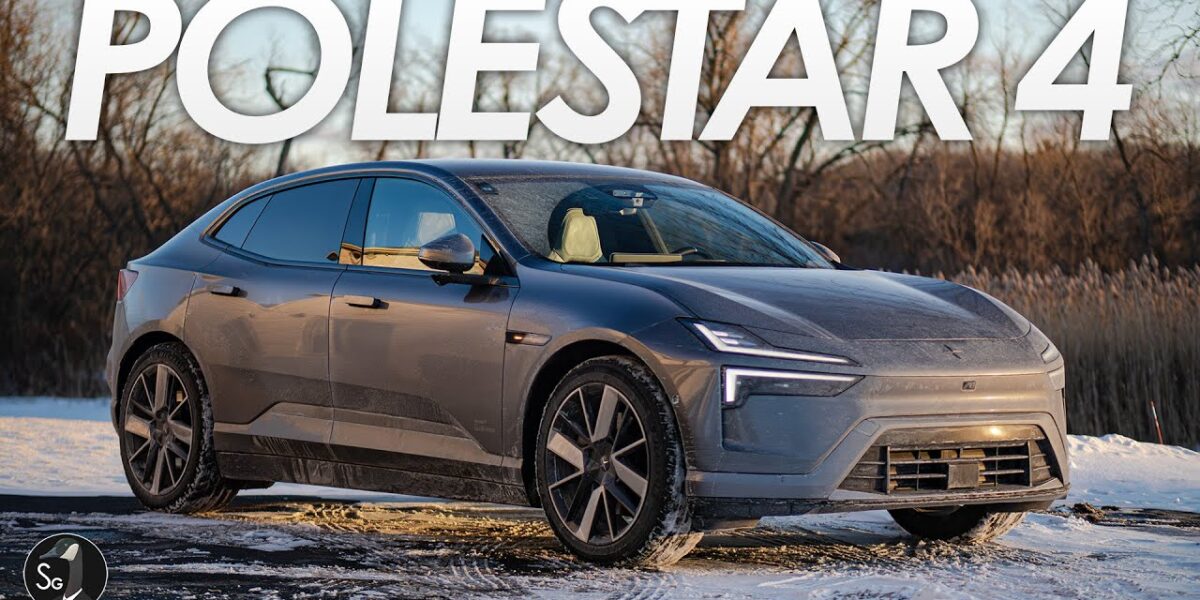
Polestar 4: A Pricey Proposition Finally Hits Its Stride
The automotive landscape is constantly evolving, and Polestar, the performance EV offshoot of Volvo, is no exception. After a somewhat rocky introduction with the Polestar 3, the brand is pinning significant hopes on the Polestar 4. Having already made waves in Europe for over a year, this sleek electric crossover coupe is finally making its case in markets where aggressive pricing and refined dynamics are key. And with a substantial $10,000 discount currently available, the Polestar 4 is suddenly a much more compelling, and frankly, more sensible proposition.
Aggressive Pricing Shakes Up the Segment
Polestar has clearly recognized the need to be competitive, and the current pricing strategy for the Polestar 4 reflects this. The rear-wheel-drive, single-motor variant, which traditionally hovered in the mid-to-high $50,000 range, is now available for under $50,000 thanks to the discount. Even more impactful is the dual-motor all-wheel-drive version. Previously starting in the $60,000s, it can now be had for just over $50,000. When fully optioned (without the performance pack), this dual-motor model tops out in the high $50,000s. This aggressive pricing positions the Polestar 4 as a significantly more attractive alternative to its European rivals, many of which command higher price tags for comparable specifications.
Design: Quirky, Futuristic, and Functional
The Polestar 4 certainly doesn’t blend in. It embraces a distinctive, somewhat quirky design language that Polestar has become known for. The exterior presents a clean, futuristic silhouette, characteristic of a CUV hatch. However, the color palette leans heavily towards the monochromatic, with limited options for brighter hues. A standout, and potentially polarizing, design element is the absence of a traditional rear window. This design choice, Polestar explains, is a deliberate move to maximize rear passenger headroom, a benefit that becomes immediately apparent upon entering the cabin.
Inside, the Polestar 4 offers a surprisingly spacious and well-thought-out environment. The lack of a combustion engine allows for ample storage solutions, including large door pockets and an open transmission tunnel area. The hatch space offers just under 20 cubic feet with the rear seats up, expanding to nearly 60 cubic feet with them folded down, which is competitive for its class. The real triumph, however, lies in the rear passenger accommodations. The generous headroom, thanks to the elimination of the rear window, and ample legroom make it a comfortable space even for 6-foot-tall adults. The ability for the rear seats to recline further enhances the sense of luxury and comfort for back-seat occupants, offering an almost ‘limo-like’ experience.
Technology and User Experience: A Screen-Centric Approach
For those who prefer physical buttons and knobs, the Polestar 4 might present a steep learning curve. The interior is dominated by screens, with virtually no physical controls for climate, audio, or drive modes. Everything is managed through the large central infotainment display, which runs on an Android Automotive OS. Thankfully, unlike earlier Polestar offerings, this system appears to be robust and responsive, even in sub-zero temperatures. The interface is designed around a grid layout, with a split screen featuring Google Maps on one side and customizable widgets on the other. While the HVAC controls and seat functions are persistently located at the bottom of the screen, navigating through various settings, including drive modes, requires tapping through menus. This screen-centric approach, while modern, will undoubtedly be a point of contention for some drivers.
The car also features a head-up display, which functions well but is unfortunately rendered unusable with polarized sunglasses. The Harmon Kardon audio system is a pleasant surprise at this price point, delivering a sound quality that aligns with premium expectations. Polestar’s unique ‘ambience modes,’ themed around planets, offer a novel way to customize the cabin’s atmosphere with well-executed animations.
Performance and Dynamics: Swedish Tuning Shines Through
Underpinning the Polestar 4 is Geely’s Global Modular Architecture, a platform shared with other EV products, including those from Lotus. While many components are sourced from China, US-spec models are assembled in South Korea, avoiding potential tariff issues. The vehicle is available in either rear-wheel-drive single-motor or dual-motor all-wheel-drive configurations, both utilizing a 100 kWh battery pack with a 400-volt architecture. Charging speed is capped at 200 kW, allowing for a 10-80% charge in approximately 30 minutes, which is respectable but lags behind some 800-volt competitors.
Polestar claims a range of just over 300 miles for the single-motor and around 270-280 miles for the dual-motor. However, real-world testing in frigid Midwestern winter conditions saw a more modest 210 miles from a full charge. Performance figures are strong, with the single-motor variant offering around 270 horsepower and a 0-60 mph time of under 7 seconds. The dual-motor version is significantly quicker, boasting 544 horsepower and a sub-4-second 0-60 mph sprint. The dual-motor cars can be optioned with a performance package that, while not increasing power, upgrades the suspension with sport-tuned ZF dampers and enhances braking with four-piston Brembo calipers.
On the road, the Polestar 4 demonstrates its Swedish engineering roots. The ride is firm yet compliant, prioritizing vehicle dynamics and body control over outright comfort. The steering, while typical for an EV in its lack of feedback, is predictable. The chassis feels well-connected, and the car exhibits a predictable, confidence-inspiring nature, even on all-season tires in cold weather. The braking system, particularly with the Brembo upgrade, offers good feel and blending with regenerative braking.
Value Proposition and Target Buyer
The Polestar 4, especially with the current incentives, presents a compelling value proposition. The aggressive pricing makes it one of the more affordable premium electric CUVs on the market. Its target buyer is likely someone who appreciates distinctive styling, prioritizes driving dynamics, and is comfortable with a highly digitized, screen-centric interior. It’s for the discerning buyer who wants something a bit different from the mainstream, perhaps looking for a more refined and engaging driving experience than a Tesla Model Y or a Hyundai Ioniq 5, without necessarily paying the premium for a Porsche Macan.
While the lack of physical controls and the absence of a rear window might deter some, for the right buyer, the Polestar 4 offers a unique blend of performance, style, and surprisingly luxurious comfort at a price that, for the first time, feels truly competitive.
Specifications at a Glance:
- Single Motor RWD: Approx. 270 hp, 0-60 mph < 7 seconds, Est. Range: 300+ miles
- Dual Motor AWD: Approx. 544 hp, 0-60 mph < 4 seconds, Est. Range: 270-280 miles
- Battery: 100 kWh, 400-volt architecture
- Max Charging Speed: 200 kW (10-80% in ~30 min)
- Pricing (with current $10k discount): RWD starts mid-$40k, Dual Motor starts low-$50k
Verdict:
The Polestar 4 has arrived with a more sensible price tag and a more polished execution than some might have expected. It offers a unique design, a comfortable and spacious interior, and engaging driving dynamics that punch above its current price point. While the reliance on screens for nearly all functions and the peculiar lack of a rear window will be divisive, those who embrace Polestar’s futuristic vision will find a refined and capable electric crossover that finally feels like a strong contender in the premium EV segment.
Source: 2026 Polestar 4 | Finally the Right Price? (YouTube)

Related Articles

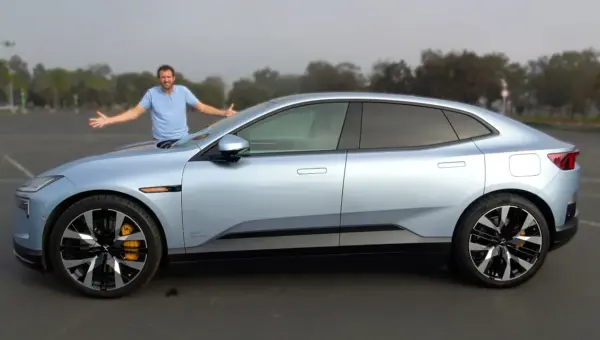
Polestar 4 Ditches Rear Window for Futuristic EV SUV
The 2026 Polestar 4 arrives as a bold electric SUV-coupe, ditching its rear window for a futuristic design and enhanced interior space. With impressive performance, a minimalist luxury cabin, and unique features like planetary-themed ambient lighting, it challenges traditional automotive norms. While its unconventional approach might not appeal to everyone, the Polestar 4 offers a compelling, albeit pricey, glimpse into the future of electric vehicles.


Will.i.am’s Trinity Tricycle Faces Skepticism
Musician Will.i.am has unveiled the Trinity, an AI-powered electric tricycle, marking his latest tech venture. Despite ambitious features, the project faces significant funding challenges, raising doubts about its mass production potential.

Cadillac Lyriq V: The Near-Perfect EV With Two Quirks
The 2026 Cadillac Lyriq V is a nearly perfect electric SUV, offering impressive power and luxury with only two minor drawbacks. While its performance and comfort are top-notch, the price and potential removal of Apple CarPlay raise questions about its ultimate value proposition.