Pentagon’s Holy War Rhetoric Alarms Service Members
Reports of U.S. military commanders invoking religious prophecy and divine plans to justify the conflict in Iran have raised alarm bells. With top officials like Secretary of Defense Pete Hegseth encouraging troops to 'lean into their faith,' concerns are mounting over the separation of church and state within the armed forces and the potential for religiously motivated warfare.

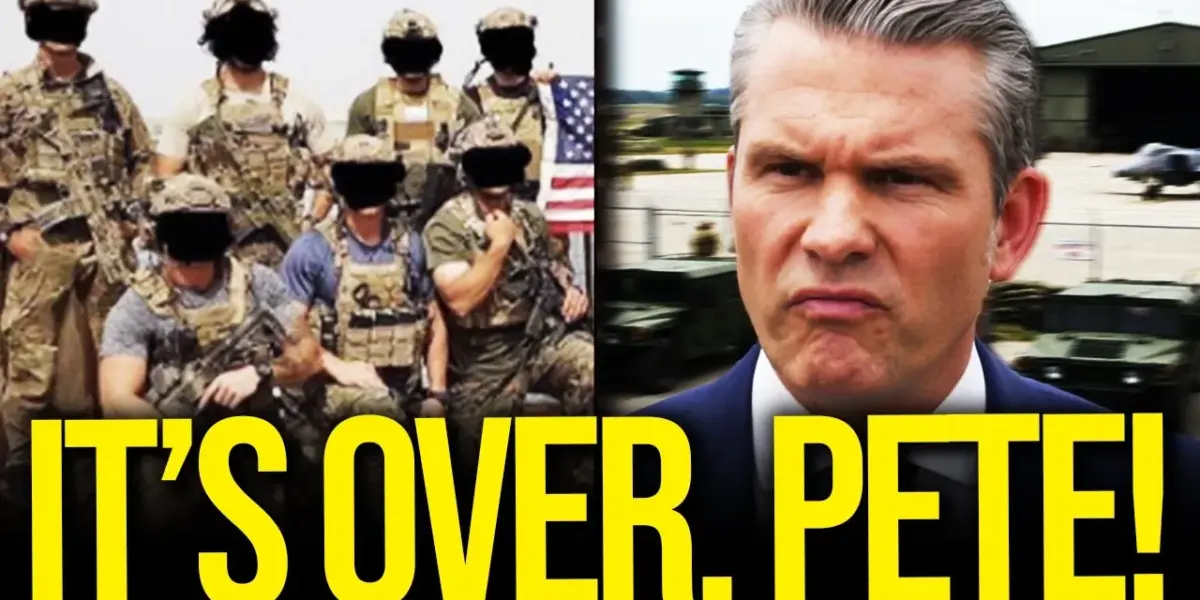
Pentagon’s Holy War Rhetoric Alarms Service Members
A disturbing trend is emerging within the U.S. military, where commanders are reportedly invoking religious prophecy and divine intervention to frame the ongoing conflict in Iran. This alarming development, detailed in a viral tweet and corroborated by further reports, suggests a worrying fusion of military operations with eschatological beliefs, raising serious questions about the separation of church and state within the armed forces.
Commanders Cite Divine Plan and Armageddon
The controversy erupted following a tweet from a service member, writing anonymously through the Military Religious Freedom Foundation. The member described a combat readiness briefing where their commander urged troops not to fear the operations in Iran, stating it was all part of “God’s divine plan.” The commander went further, referencing the Book of Revelation, citing Armageddon, and claiming that President Trump had been “anointed by Jesus to light the signal fire in Iran and mark the return of Christ to Earth.” This message was reportedly delivered with a “big grin on his face” and a “level of certainty that put chills down the spine” of the writer.
What makes this incident particularly chilling is the revelation that this was not an isolated event. The Military Religious Freedom Foundation stated that approximately 200 troops across more than 30 military bases have sent similar complaints, alleging that their commanders were using biblical justifications to promote the war and seemingly condition troops to accept the idea of death.
Echoes of Extremist Rhetoric
The use of such religiously charged language by military leaders draws a stark parallel to the rhetoric employed by extremist groups who embrace martyrdom and divine mandates. The irony is not lost on observers that a military ostensibly fighting against religious extremism, often characterized by its adherents’ belief in paradise and divine purpose, might be adopting similar language to motivate its own forces. This approach risks blurring the lines between patriotic duty and religious fervor, potentially creating an environment where faith becomes a tool for military objectives rather than a personal conviction.
Secretary of Defense’s Stance Under Scrutiny
Further fueling concerns is the recent interview of Secretary of Defense Pete Hegseth with 60 Minutes. In the interview, Hegseth openly discussed his religious beliefs and their perceived relevance to military operations. He stated that he “encourage[s] our troops to lean into their faith, rely on God,” and emphasized the importance of faith in the military, even referencing efforts to “mak[e] the chaplain corps great again.” He also suggested that faith provides troops with “perspective on human nature, on their own humanity, on our own mortality.”
While Hegseth framed this as supporting troops through difficult times, critics argue that his statements, particularly his encouragement for troops to “lean into their faith” and his acknowledgment of his own Christian faith influencing his perspective, venture into legally questionable territory. The U.S. military is constitutionally mandated to remain neutral in matters of religion, neither promoting nor prohibiting it. Encouraging troops to adopt or deepen their religious practices, especially from the highest levels of command, could be seen as violating this principle.
Historical Context and the “Crusade” Mentality
Hegseth’s public persona and past statements add another layer to the controversy. His Jerusalem cross tattoo, a symbol associated with the medieval Crusades, has drawn criticism.
The use of the word “crusade” itself, even if intended metaphorically, carries significant historical baggage and can evoke a sense of religious warfare. Critics point to his past remarks about rebuilding the Third Temple in Jerusalem and his apparent enthusiasm for a “holy war” in the region, suggesting a worldview that aligns with a religiously motivated foreign policy.
His response to a question about Russian involvement in targeting Americans in the conflict further highlights this perceived religious undertone. When asked if Russian involvement put U.S. Personnel in danger, Hegseth dismissively stated, “No one’s putting us in danger.
We’re putting the other guys in danger. That’s our job.” He added, “The only ones that need to be worried right now are are Iranians that think they’re going to live.” This statement, interpreted by some as a disregard for civilian lives and an embrace of a “holy war” mentality, contrasts sharply with the stated goals of protecting civilians and combating extremism.
Implications for the Military and Geopolitics
The implications of this religiously charged rhetoric are far-reaching. Firstly, it risks alienating service members of non-Christian faiths or no faith, potentially undermining unit cohesion and morale. Secondly, it could be perceived by adversaries as the U.S. Engaging in a religiously motivated conflict, which could have significant diplomatic and security consequences, potentially fueling anti-American sentiment globally.
The situation also raises concerns about the administration’s strategic priorities. With Russia actively supporting Iran and potentially exploiting the conflict to weaken U.S. Influence, a focus on religious justifications for war, as suggested by Hegseth’s apparent indifference to Russian involvement, could be a dangerous miscalculation. This could allow Russia to consolidate its position in Eastern Europe while the U.S. is preoccupied with a conflict framed through a religious lens.
Future Outlook
The trend of religious rhetoric entering military briefings and official statements requires careful monitoring. While individual faith can be a source of strength for service members, its instrumentalization by commanders and high-ranking officials is a departure from established norms and legal principles. The Military Religious Freedom Foundation’s efforts to address these complaints are crucial in ensuring that the U.S. military remains a professional fighting force, grounded in strategy and diplomacy, rather than becoming an instrument of religiously motivated conflict.
As the conflict in Iran continues, the language used to describe it by those in power will undoubtedly shape public perception and international relations. The current trajectory suggests a need for greater clarity and adherence to the principle of religious neutrality within the U.S. military to maintain its integrity and effectiveness on the global stage.
Why This Matters
This situation matters because it strikes at the core principles of a secular military operating within a diverse democracy. When military leaders invoke divine plans and prophetic fulfillments to justify war, they cross a critical boundary. It risks not only violating the Establishment Clause of the First Amendment but also alienating troops from diverse backgrounds, potentially undermining morale and unit cohesion.
It plays into the hands of adversaries who can portray the U.S. As a religiously motivated aggressor, fueling radicalization and international opposition. The perceived apathy towards geopolitical threats like Russia, in favor of a religiously framed conflict, suggests a dangerous departure from strategic pragmatism, potentially leaving the nation vulnerable to more conventional geopolitical maneuvering.
Source: Pete Hegseth THROWN UNDER THE BUS by HIS OWN TROOPS (YouTube)

Related Articles


Internet Blackout Tanks Putin’s Approval Ratings
New approval ratings show a significant drop for Vladimir Putin, tied to widespread internet disruptions in Russia. The data indicates public frustration over loss of online access is greater than concerns about the war in Ukraine. This digital blackout presents a unique challenge to the Kremlin.
Pakistan Army Chief Acts as Trump’s Secret Diplomat
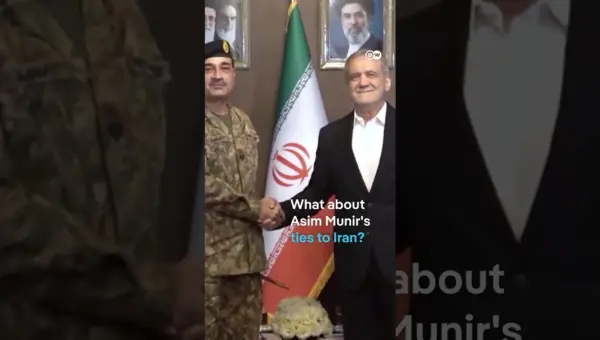
Pakistan's Army Chief, General Asim Munir, has become an unofficial diplomat, building a personal rapport with Donald Trump and mediating sensitive talks with Iran. This role highlights Pakistan's hybrid governance system, where the military plays a significant part in foreign policy. Munir's actions aim to stabilize the region and enhance Pakistan's global influence.

US Navy Seizes Sanctioned Oil Ship in Indian Ocean
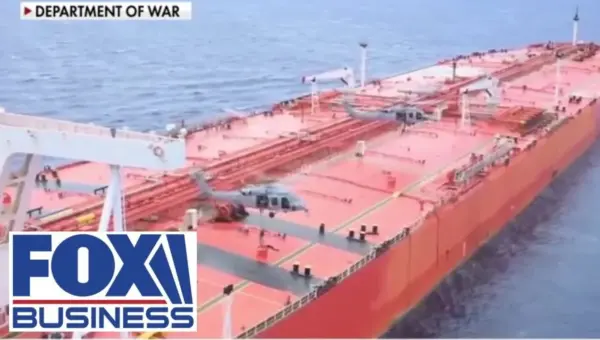
The U.S. Navy seized a sanctioned oil tanker carrying 1.9 million barrels of crude in the Indian Ocean, adding tension to global oil markets. This occurs as a U.S.-Iran cease-fire is set to expire, keeping traders on edge.