Scarborough Slams WH: Russia-Iran Intel Sharing ‘Matters a Great Deal’
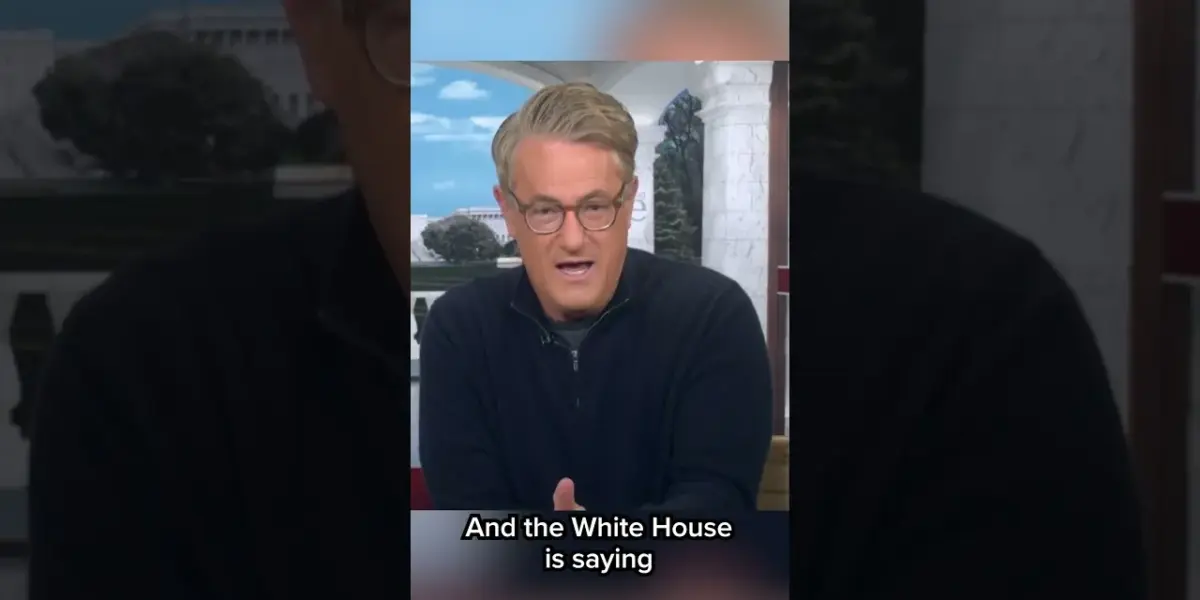
Joe Scarborough strongly criticized the White House for downplaying reports of Russia sharing intelligence with Iran to target U.S. assets. He argued that such cooperation "matters a great deal" and raises serious national security concerns.

Scarborough Criticizes White House Stance on Russia-Iran Intelligence Sharing
Washington D.C. – In a sharp rebuke of the White House’s recent assessment, Joe Scarborough, host of MSNBC’s ‘Morning Joe,’ forcefully challenged the administration’s dismissal of reports indicating Russia has provided Iran with intelligence to target U.S. military personnel and assets in the Middle East. Scarborough asserted that such intelligence sharing is far from inconsequential, stating it “matters a great deal” and directly contradicts the White House’s characterization of the situation as insignificant.
The Core of the Controversy: Russia’s Support for Iran
The controversy stems from intelligence reports suggesting a deepening military and intelligence cooperation between Russia and Iran. Specifically, concerns have been raised that Moscow may be supplying Tehran with information that could be used to identify and potentially attack American interests in the region. This development comes at a critical juncture, with ongoing conflicts and geopolitical tensions in the Middle East and Eastern Europe.
White House’s ‘Inconsequential’ Remark Under Fire
Over the weekend, the White House reportedly downplayed the significance of these intelligence-sharing reports. This stance, however, drew immediate criticism from Scarborough on his program. He argued that any instance of a U.S. Adversary like Russia providing intelligence that could endanger American lives or military assets should be treated with the utmost seriousness.
“Russia assisting Iran in targeting Americans matters a great deal,” Scarborough stated, directly pushing back against the White House’s suggestion that the reports were inconsequential. His remarks underscore a broader concern among some national security observers and political commentators that the administration may be underestimating the strategic implications of this burgeoning Russia-Iran partnership.
Geopolitical Implications: A United Front Against the U.S.?
The alleged intelligence sharing between Russia and Iran is viewed by many as a significant development in the complex geopolitical landscape. Both nations have strained relationships with the United States and have been subject to various sanctions and international pressures. The prospect of them coordinating intelligence, particularly information that could be used against U.S. forces, raises concerns about a potential united front forming against American interests.
Experts suggest that such cooperation could embolden both nations, potentially leading to increased destabilization in regions where their interests align, such as the Middle East. The sharing of targeting information, even if indirect, could provide Iran with a tactical advantage and increase the risk for U.S. troops stationed in the area. This also comes at a time when Russia is heavily engaged in its ongoing conflict in Ukraine, leading to questions about its capacity and willingness to engage in such sensitive intelligence operations with Iran.
Broader Context: Iran’s Role and Russia’s Strategic Aims
Iran has been a significant player in Middle Eastern conflicts, often supporting proxy groups and engaging in activities that challenge U.S. Regional influence. Russia, on the other hand, has been seeking to strengthen its international standing and counter Western influence, particularly following its invasion of Ukraine. The alleged intelligence cooperation could serve both countries’ strategic aims: Iran gains access to potentially more sophisticated intelligence, while Russia could be leveraging its relationship with Tehran to diversify its alliances and apply pressure on the U.S. and its allies.
The transcript does not provide specific details on the nature of the intelligence shared or the exact mechanisms of its transfer. However, the mere suggestion of such cooperation is enough to warrant serious consideration by U.S. Policymakers. The White House’s initial response has been met with skepticism, with critics arguing that it fails to acknowledge the potential gravity of the situation.
What’s Next?
Moving forward, it will be crucial to monitor further intelligence assessments regarding the extent and nature of Russia-Iran cooperation. Congressional committees overseeing national security and foreign relations are likely to scrutinize this issue closely.
Public statements from the White House and the State Department will also be closely watched for any shifts in tone or policy. The implications for U.S. military deployments in the Middle East and the broader strategy for countering both Russian and Iranian influence will undoubtedly remain a key focus for national security experts and the public alike.
Source: 'It does really matter': Joe pushes back on WH dismissing Russia–Iran intel reports (YouTube)

Related Articles

Trump’s Iran Standoff: Talks Collapse Amidst Threats
U.S.-Iran talks have collapsed amid a continued naval blockade, with Iran refusing to negotiate under threat. President Trump expects renewed conflict, while Iran warns of retaliation. Conflicting reports and aggressive rhetoric create a volatile situation with global implications.

Iran Hides Missiles as War Clouds Gather
As a ceasefire nears its end, Iran is reportedly moving its ballistic missiles to hidden locations, signaling potential preparations for renewed conflict. The U.S. military stands ready to resume bombing campaigns if necessary, while diplomatic efforts face uncertainty with Iran's response to peace talks still pending. China's alleged involvement in supplying missile parts adds another layer of complexity to the volatile situation.


Internet Blackout Tanks Putin’s Approval Ratings
New approval ratings show a significant drop for Vladimir Putin, tied to widespread internet disruptions in Russia. The data indicates public frustration over loss of online access is greater than concerns about the war in Ukraine. This digital blackout presents a unique challenge to the Kremlin.