Epstein Survivor Decries “Horribly Distressing” DOJ Name Release
Epstein survivor Danielle Benski expressed deep distress as her name, along with others, was unredacted in a recent DOJ document release. She questions the repeated "redaction errors," calling the experience "gutting" and re-traumatizing.

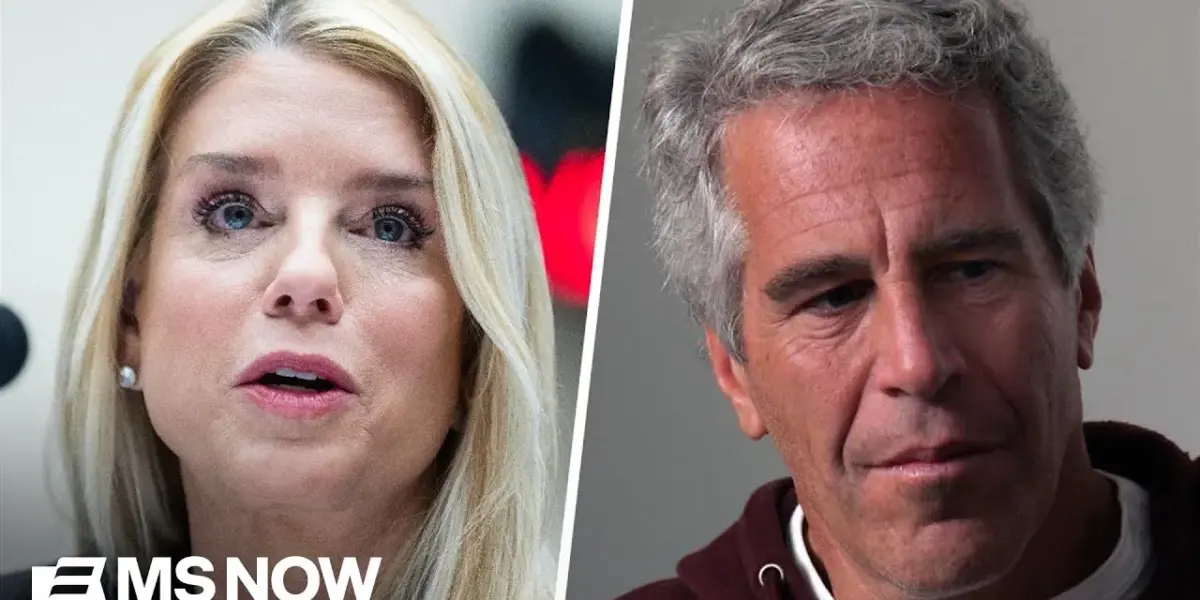
Epstein Survivor Speaks Out After Name Appears Unredacted in DOJ Documents
In the wake of a new release of documents pertaining to the Jeffrey Epstein investigation, survivors are once again calling for accountability and respect for their privacy. The Department of Justice (DOJ) released over 20 documents, totaling fewer than 1,000 pages, over the weekend. An analysis by MSNBC revealed that the first or last names of at least 21 individuals identified as known or suspected survivors were exposed, with some names appearing unredacted multiple times.
This latest disclosure follows reports that the DOJ had previously withheld or removed documents related to accusations against former President Donald Trump, who has denied any wrongdoing. Among those whose privacy has been compromised in this new release is survivor Danielle Benski, who shared her harrowing experience and frustration with the repeated failures in the document redaction process.
“Gutting” Re-Traumatization
Benski described the experience of seeing her name unredacted as “horribly distressing.” She highlighted the numerous conversations survivors and their legal teams have had with both Democratic and Republican officials regarding the critical importance of a thorough and accurate redaction process.
“And you would think that after twice already, especially after the last release where our lawyers talk to them, everybody’s—there’s been so much conversation around this topic. And then to see it yet again on Friday—or Thursday, I believe it was—is just—it’s really beyond—I mean, frustrating puts it so mildly. It’s gutting.
It’s gutting when you’re scrolling through. It’s like, you know, we’re all in the files a lot of the time to see what’s there, what’s not there and make sure that we’re placing everything. And you don’t expect to see your name, of course, right?”
The repeated exposure of their identities not only breaches their privacy but also triggers significant psychological distress. Benski explained the profound impact this has on survivors, stating that seeing their names in these documents brings back the trauma associated with their abuse, leading to a “level of PTSD that survivors are met with often.” The re-traumatization process, she emphasized, is exceptionally difficult to endure.
Questions of Good Faith and Intent
While the DOJ has acknowledged “mistakes” and referred to these instances as “redaction errors,” Benski expressed skepticism about whether the department is operating in good faith.
“I want to. I really want to believe that. I think, you know—I start to feel like a conspiracy theorist because I’m like, there’s no way, right?
But it does feel like it has to be a choice at some point because there were so many redactions in that document. Like, it was a document of 582 pages, I believe. And most things are redacted.
And then to see my name just blatantly like right there after my full name was redacted on the top, I don’t know. I mean, I don’t want to believe that it could be to harm survivors. Like retaliation or something for speaking out?
Yeah, I mean, I don’t want to believe that. But at that point, I wonder if it feels like more of a choice to leave certain survivors’ names in. I’m not sure, to be honest, but I know that it just harbors a lot of feelings for survivors.”
The experience forces survivors to relive the moments of their abuse. Benski recounted how seeing her name in a 2008 FBI 302 report, which detailed a call she made after the abuse, thrusts her back into that traumatic headspace. She concluded that “the systems have really failed us time and time again.” Benski also recalled her initial interactions with law enforcement in 2008, describing them as feeling more like interrogations than supportive investigations, which added to her fear and distress at the time.
Calls for Accountability and Transparency
The repeated redaction failures come at a time of increasing political pressure on the DOJ. The House Oversight Committee has voted to subpoena Attorney General Merrick Garland over the handling of these files. Benski believes that Garland needs to provide clear answers regarding the persistent redaction issues.
“I mean, I think she needs to answer why the redactions have been done so poorly at every turn. She said that a group of lawyers have been doing it. If I would, I almost would feel better if she said AI was doing it and just didn’t catch it.
And if that is the truth, then she needs to reveal that. We just we just really need some answers. And we’re so tired of just asking questions and not being met.”
When asked if Garland should lose her job, Benski stated that survivors need answers first before they can form an opinion on her potential impeachment. The focus remains on securing transparency and ensuring that survivors’ privacy is protected in all future disclosures.
Broader Implications and Future Developments
The Epstein investigation continues to draw significant attention, with high-profile figures facing scrutiny. Recent weeks have seen the arrest of Ghislaine Maxwell and depositions of individuals like the Clintons.
In the coming months, more prominent figures, including Bill Gates, are expected to testify. Commerce Secretary Howard Lutnick has also agreed to appear.
Benski expressed a sense of cautious optimism, believing that as more individuals are subpoenaed and testify, greater answers will emerge. However, she stressed the complexity of the situation and the need to remember the broader context while pursuing the “ugly truth.” The ongoing legal proceedings and document releases highlight the persistent challenges in balancing transparency with the protection of victims’ privacy and well-being.
What’s Next
Survivors and the public will be closely watching the upcoming testimonies and further document releases. The focus will remain on the DOJ’s commitment to rectifying its redaction processes and ensuring that the privacy and safety of survivors are paramount. The House Oversight Committee’s subpoena for Attorney General Garland signals a potential escalation in the demand for accountability, and her response will be critical in determining the path forward.
Source: 'Horribly distressing': Epstein survivor reacts to name being left unredacted in DOJ release (YouTube)

Related Articles

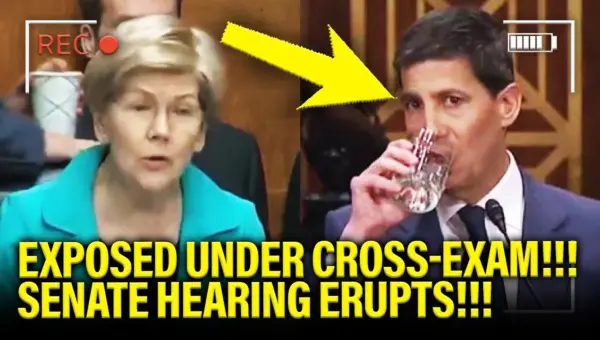
Trump Fed Pick Faces Scrutiny Over Epstein Ties
Kevin Warsh, a nominee for Federal Reserve chair, faced tough questioning from senators regarding his financial ties to Jeffrey Epstein and undisclosed assets. His responses often skirted direct answers, raising concerns about transparency and independence.
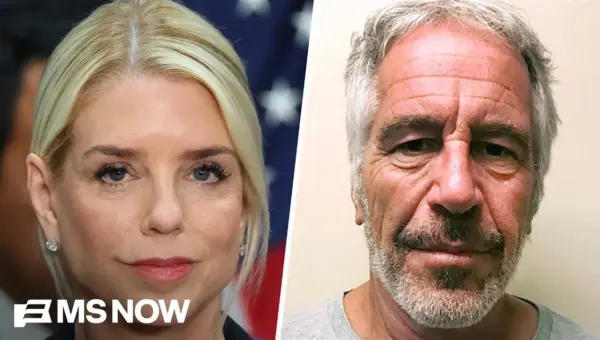
Democrats Blast GOP Over Epstein Probe; Subpoena ‘Legally Binding’
House Oversight Committee Democrats are accusing Republican leadership of undermining the Jeffrey Epstein investigation by replacing official hearings with informal roundtables. Ranking Member Congressman Robert Garcia stated that Pam Bondi's subpoena to testify is legally binding, regardless of Republican support for contempt proceedings. Democrats vow to continue their fight for justice and transparency.

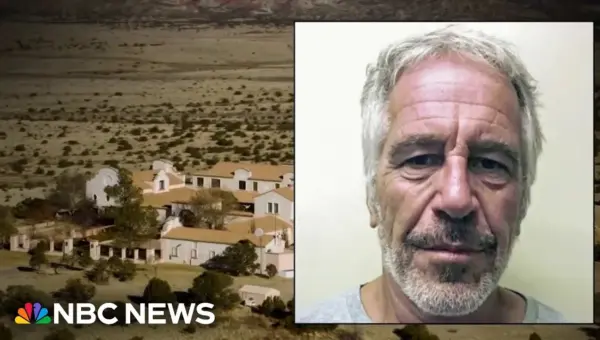
Epstein’s New Mexico Ranch Becomes Focus of New Probe
A new state investigation has been launched into Jeffrey Epstein's Zorro Ranch in New Mexico after federal authorities did not search the property following his 2019 arrest. Former Attorney General Hector Balderas expressed shock at the lack of federal action, and lawmakers have formed a commission to uncover more details. The property was recently sold and is slated to become a Christian retreat, though victims' families question the possibility of healing such a place.