Russia Shares Intel With Iran, Threatening US Troops
Russia is reportedly sharing intelligence with Iran that could be used to target US troops, ships, and bases in the Middle East, according to US officials. The move has sparked alarm and drawn criticism for President Trump's muted response.

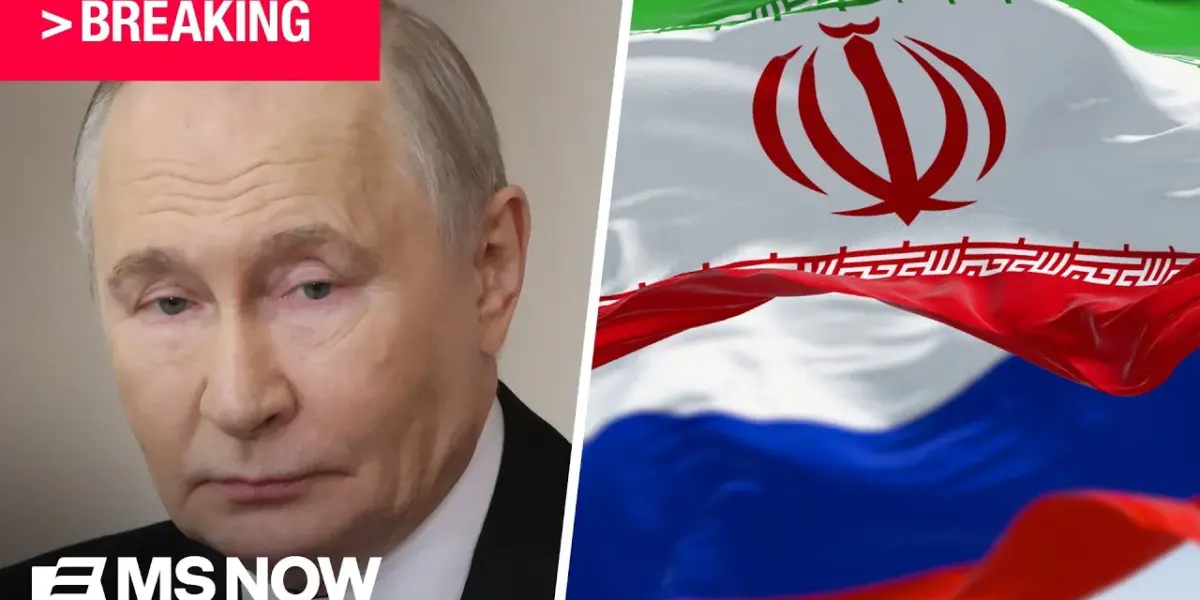
Russia Provides Iran with Intelligence Targeting US Forces
In a significant development that has raised alarms among US officials, Russia has reportedly begun sharing intelligence with Iran that could be used to target American troops, ships, and bases in the region. This information, confirmed by two US officials speaking on condition of anonymity, marks a potentially dangerous escalation in the complex geopolitical landscape of the Middle East and its implications for American military personnel.
Details of the Intelligence Sharing
According to a new report, the intelligence provided by Russia to Iran is specific enough to enable Iranian forces to identify and potentially strike US aircraft, naval vessels, and military installations across the Middle East. While Russian officials are reportedly not dictating how Iran should use this information, the mere provision of such data is seen as a grave concern by those who fear for the safety of American service members. Other news organizations had previously reported on the matter, but these two sources have provided direct confirmation to MSNOW.
“They say the Russians aren’t telling them what to do with it, but it is information that would allow Iranian forces to target U.S. Airplanes, U.S. Ships and U.S. Bases across the region.”
The officials described the situation as deeply alarming, emphasizing the direct threat it poses to the lives of American military personnel operating in contested areas. The nature of the intelligence shared has not been fully disclosed, but its potential to aid Iran in targeting US assets highlights the strategic implications of this reported Russian-Iranian cooperation.
Iran’s Foreign Minister Responds
When questioned about the allegations, Iran’s Foreign Minister offered a carefully worded response that stopped short of a direct denial. While he stated he did not possess exact military information, he confirmed a strong partnership with Russia, adding, “They are helping us in many different directions.” This statement has been interpreted by some as an indirect acknowledgement of intelligence cooperation, further fueling concerns within the US administration and among defense analysts.
When pressed further on whether Russia was providing intelligence to help locate US forces, the Foreign Minister stated, “Well, they are helping us in many different directions.” This ambiguous response leaves room for interpretation but does little to allay fears about the extent of the collaboration.
President Trump’s Reaction
President Trump’s reaction to the reports has been met with surprise and criticism. When a Fox News reporter directly asked him about the intelligence sharing at a White House event, the President appeared taken aback. He reportedly described the question as “stupid” and suggested that dealing with this issue was less complex than reforming college sports, a topic he was reportedly focused on at the time.
This response has drawn criticism from Democrats, who have long accused President Trump of being too lenient on Russia and Russian President Vladimir Putin. The lack of a strong, immediate condemnation or a clear statement of action from the President has been described as “startling” and “extraordinary” by observers.
“It was pretty stunning response by the president… Democrats long accused President Trump of going easy on Russia and Russian President Vladimir Putin.”
It remains unclear whether the White House or the President has directly addressed the Iranian Foreign Minister’s recent comments acknowledging Russian assistance. The administration’s public stance, as articulated by officials like acting Defense Secretary Pete Hegseth, has tended to downplay the significance of the intelligence sharing, suggesting that US forces are capable of countering any threats.
Broader Implications and Concerns
The reported intelligence sharing between Russia and Iran has significant geopolitical ramifications. It suggests a deepening strategic alignment between the two nations, potentially aimed at counterbalancing US influence in the Middle East. For US military personnel stationed in the region, this development raises serious questions about their security and the administration’s commitment to protecting them.
The lack of a robust public response from the Trump administration has led to speculation about its strategy in confronting this challenge. Some analysts worry that a perceived weakness in addressing such threats could embolden adversaries and create a “ripple effect” of uncertainty for those on the front lines.
Carolyn Levitt, when asked about the situation, reportedly stated that the sharing of disinformation did not matter as US forces were “decimating Iranian forces.” This perspective, along with Secretary Hegseth’s comments that the President is aware of threats and will address them, indicates a strategy of downplaying the immediate impact while asserting US military superiority. However, the long-term effectiveness and sustainability of this approach remain to be seen.
What’s Next?
The coming days will be crucial in determining the US administration’s official response to this escalating situation. All eyes will be on whether President Trump or other senior officials issue a stronger statement or take concrete diplomatic or military actions to address the reported intelligence sharing. The international community will also be watching to see how this development impacts regional stability and the ongoing tensions between the US, Russia, and Iran.
Source: BREAKING: Iranian official says Russia provided intelligence that could target U.S. troops, bases (YouTube)

Related Articles

Iran’s ‘New Cards’ Threat Risks Further Global Isolation
Iran's parliament speaker has threatened to reveal 'new cards,' but former Pentagon officials believe this will further isolate the regime. These potential moves, likely involving proxies or sleeper cells, are seen as a familiar but ineffective tactic. Investors are watching for potential escalation and its impact on regional stability and energy markets.

Trump’s Iran Claims Under Scrutiny After False Statements
MSNBC anchor Stephanie Ruhle has called attention to several untrue statements made by President Trump regarding Iran over the past week. Ruhle's report fact-checked the President's claims, highlighting discrepancies and questioning the accuracy of information presented on a critical international issue. The segment stressed the importance of reliable information for public trust and informed decision-making.

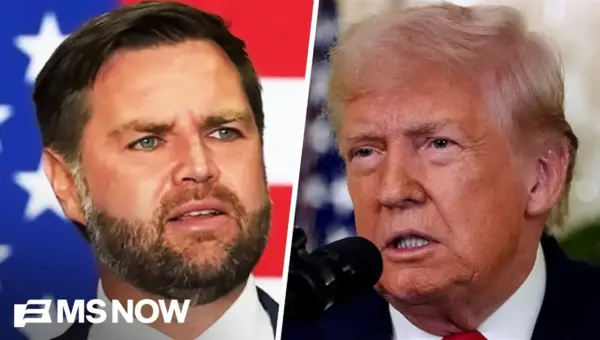
Iran Talks Stall as US Vice President Awaits Flight
US-Iran diplomatic talks are stalled, with Iran reportedly refusing U.S. proposals related to its nuclear program. Experts suggest Iran is strategically leveraging the situation, believing its 'clock' ticks slower than the U.S. The standoff raises questions about the effectiveness of U.S. strategy amidst rising defense spending.