Iran War Costs Skyrocket: Lawmakers Warn of Billions Daily
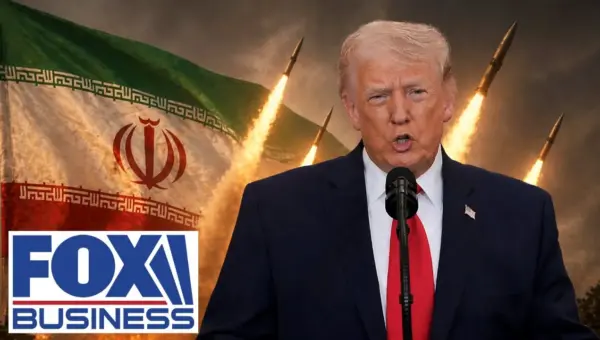
Lawmakers are warning that the daily cost of the war in Iran could far surpass the previously estimated $1 billion. The escalating conflict is driving up oil prices, disrupting global supply chains for essential goods like fertilizer, and increasing shipping costs, creating significant economic pressure domestically and abroad.


Iran Conflict’s Hefty Price Tag: Daily Costs Exceed $1 Billion, Experts Warn
WASHINGTON D.C. – The ongoing conflict in Iran, now in its ninth day, is proving to be a far more significant financial burden than initially estimated, with lawmakers suggesting the daily cost could dramatically exceed the previously reported $1 billion mark. The true economic toll, particularly the extensive replacement of military hardware, is expected to inflate these figures substantially, according to recent analyses.
Unforeseen Expenses and Ammunition Reserves
While a rough estimate of $1 billion per day has been circulating, experts like Henrietta Treys, co-founder and director of Economic Policy at Vita Partners, argue this figure may not fully account for the long-term expenditures. “The full costs such as replacing all of the military hardware that we’re currently using in this military operation, that’s where actually the cost can explode,” Treys stated, emphasizing that the commonly cited $1 billion daily figure is likely an underestimation.
Despite concerns about financial strain, some political figures remain confident in the nation’s financial readiness for sustained military action. Senator John Kennedy asserted that the necessary funds are available, stating, “The Republicans in Congress are not going to let us falter in achieving our objective because we run out of money.
I think right now our military has plenty of money and they have plenty of ammunition. This business about we’re running out of ammunition is foolishness.”
Domestic Economic Repercussions: From Gas Prices to Agriculture
The financial implications of the conflict extend far beyond the battlefield, directly impacting American consumers. With oil prices surging, Americans are facing significantly higher costs at the pump. “We are up to $200 million a day that Americans are spending on oil and gas at the pump that we were not spending just nine days ago,” Treys noted, projecting further escalation as crude oil prices approach $100 a barrel, potentially driving gasoline prices to $4 a gallon.
The economic damage is not limited to fuel costs. The conflict is disrupting global supply chains, particularly for essential goods like fertilizer. “We get all of our fertilizer from there.
I want to say it’s something like 41% of the urea that goes into fertilizing any whether it’s in the United States or the EU or the UK comes from that region,” Treys explained. This disruption poses a significant threat to American farmers, who are already grappling with financial challenges. Treys warned that an additional $15 billion bailout might be necessary for the agricultural sector, adding to the overall cost of the conflict.
Escalating Shipping Costs and Insurance Premiums
Beyond fertilizer, the conflict is creating a ripple effect across various industries. Shipping costs and insurance premiums for vessels traversing critical waterways like the Strait of Hormuz are skyrocketing. “They’re wildly unsafe, and so you have to pay about a million dollars per cargo to get through the strait right now,” Treys highlighted, illustrating the increased operational expenses that will inevitably be passed on to consumers.
Political Pressure and the Need for Congressional Approval
The mounting financial pressures raise critical questions about the sustainability of the war effort. With a recent dismal jobs report, rising gas prices, and a dip in the stock market, the public’s patience may wear thin. “America can’t afford Trump’s war with Iran for long,” a headline from MSNBC suggests, reflecting growing public and political unease.
The White House faces the challenge of securing additional funding from Congress, as the President does not possess unilateral authority to allocate such vast sums from the Treasury. “He’s got to go to the Congress and say, look, I need another 50, 100 billion dollars to I need $15 billion for the farmers who are getting slammed again,” Treys explained.
The potential for a new emergency supplemental request, possibly seeking $100 to $200 billion in taxpayer funds, looms large. This figure dwarfs previous allocations, such as those for ACA subsidies.
The Disconnect Between Public Expectation and Reality
The current situation highlights a significant disconnect between the public’s expectations and the reality of the ongoing military engagement. “Inflation is still at 3 percent. We have lost 72,000 manufacturing jobs and now we’re in a war in the Middle East,” Treys pointed out.
As Congress returns from recess, the pressure to address these escalating costs and their domestic impact will intensify. The public is expected to demand answers from their representatives regarding the necessity and affordability of the conflict, especially as the President seeks further financial support.
Looking Ahead: The Cost of Continued Engagement
All eyes are now on Capitol Hill as lawmakers prepare to confront the escalating financial demands of the Iran conflict. The coming weeks will be crucial in determining whether Congress will approve further substantial funding, and how the administration will navigate the growing economic anxieties of the American public. The long-term economic stability of the nation may hinge on these critical decisions.
Source: Lawmakers estimate war in Iran could cost more than the $1 billion per day previously thought (YouTube)

Related Articles

Trump Warns Iran: Bombing Could Start ‘Tomorrow’
President Trump has signaled a tough stance on Iran, warning that he expects to be "bombing tomorrow" if a satisfactory deal isn't reached, with the current cease-fire set to expire. Despite the escalating rhetoric, financial markets have remained measured, seemingly pricing in a future resolution and a potential "peace dividend."


Trump Officials Cite Religion to Justify Iran War
As the war in Iran enters its second month, Trump administration officials are increasingly using religious language to justify the conflict. Pete Hegseth has been notably vocal in framing the war as a spiritual battle. This approach raises questions about the administration's motivations and the broader implications for foreign policy.


Trump’s Cabinet Woes: FBI Director Sued, Labor Secretary Resigns
FBI Director Cash App P. Patel is suing The Atlantic over misconduct allegations, while Labor Secretary Lorie Chavez-DeRemer has resigned amid an investigation. Meanwhile, Robert F. Kennedy Jr. faces backlash for controversial remarks about Black children, and Donald Trump's claims of winning a war are questioned by lawmakers.