Iran’s Escalating Attacks Spur US Ground Operations Talk
Iran's escalating attacks, including strikes on civilian infrastructure, have prompted discussions of potential U.S. ground operations to secure nuclear materials. The conflict showcases Iran's persistent threat capabilities against allied air dominance, with significant geopolitical implications.


Iran’s Escalating Attacks Spur US Ground Operations Talk
In a rapidly developing conflict, Iran has unleashed a series of devastating strikes across the region, hitting targets in Israel, Kuwait, and Bahrain. The footage emerging from these attacks is described as horrifying and disturbing, showcasing significant destruction, including buildings reduced to rubble and fuel depots engulfed in flames. While the intensity of Iran’s offensive has reportedly decreased, the capability to launch drones and missiles remains a clear and present threat, as evidenced by attempts to target critical radar installations at U.S. Bases.
A Wave of Iranian Strikes
The transcript details several key incidents illustrating Iran’s offensive actions. In Israel, ballistic missiles struck, causing widespread destruction.
In Kuwait, an Iranian drone directly hit a fuel depot at the international airport, and an attack drone narrowly missed a radar tower at a U.S. Base, highlighting a deliberate effort to degrade surveillance capabilities. Perhaps the most concerning strike detailed is the reported damage to a water desalination plant in Bahrain, a critical infrastructure for the Gulf nations, potentially jeopardizing access to safe drinking water.
These actions have prompted air raid sirens across Tel Aviv and central Israel, though early indications suggest that subsequent missile launches were intercepted, preventing critical damage. This aggressive posture from Iran has led to a significant escalation, with the expectation of overwhelming retaliation from all sides.
US and Allied Response: Dominance and Retaliation
The United States and its allies, particularly the Israeli Air Force, have responded with overwhelming force. The transcript highlights extensive bombing runs against Iranian oil infrastructure, causing visible plumes of black smoke. Footage also shows UAE Apache helicopters actively engaging and shooting down multiple Iranian attack drones, demonstrating a high level of success in air defense.
The narrative emphasizes U.S. Dominance in Iranian airspace. A particularly striking example is the flight of an MQ4C drone with its transponder on, which reportedly flew over Iranian airspace undetected, highlighting the perceived technological and operational superiority of U.S. forces in this domain. The ongoing air strikes in Iran are described as a continuation of this dominance, with the U.S. Urging civilians to stay indoors for their own safety.
The Specter of Ground Operations
Amidst the aerial exchanges, a significant development is the White House’s consideration of deploying special operations forces, potentially including Delta Force, on the ground in Iran. The objective of such a mission would be to secure enriched uranium, believed to be hidden at a facility in Isfahan. This potential deployment represents a major escalation, moving beyond air and drone warfare into direct, boots-on-the-ground intervention.
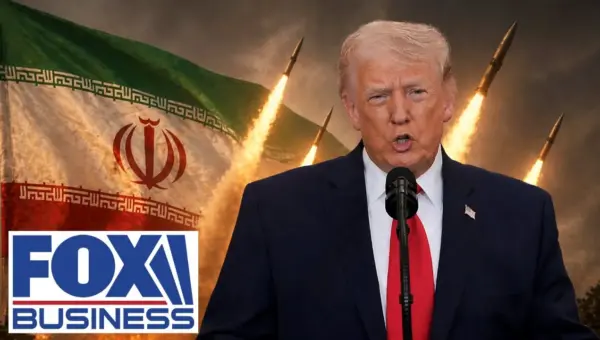
President Trump, when questioned about the possibility of sending ground troops, stated, “I don’t even want to talk about it now… I don’t think it’s an appropriate question… Could there be?
Possibly for very good reason. Have to be very good reason. And I would say if we ever did that, they would be so decimated that they wouldn’t be able to fight at the ground level.”
While this remains an option being discussed, the implications of such a move are profound, signaling a potential shift in the conflict’s strategic calculus. The mention of securing oil facilities as a potential ground target also adds another layer to the strategic considerations.
Wider Implications and Future Outlook
Iran has reportedly announced an intention to widen its range of targets to include more civilian areas, a claim that, if true, represents a further descent into brutal tactics, especially given prior accusations of hitting civilian targets. The potential succession of the Supreme Leader also looms, with reports of the former leader’s son being wounded in an air strike, raising questions about the stability of Iran’s leadership and the continuity of its policies.
The transcript also touches upon a reported explosion at the U.S. Embassy in Norway, suspected to be a terror attack linked to the ongoing conflict. As of March 8th, the situation remains fluid, with ongoing Iranian attacks causing damage in various countries, met by persistent and heavy U.S. Retaliatory strikes. The control of airspace by the U.S. and its allies appears to be a critical factor in the current phase of the conflict.
Why This Matters
This situation is critical because it represents a significant escalation in a volatile geopolitical region. Iran’s willingness to strike civilian infrastructure, such as desalination plants, and its stated intent to broaden targets, indicate a willingness to employ increasingly destructive and indiscriminate tactics. The U.S. Response, including the potential for direct ground intervention, signifies a high level of commitment and a willingness to take substantial risks to achieve strategic objectives, such as preventing Iran from acquiring nuclear weapons.
The ongoing air dominance by the U.S. and its allies suggests a significant military advantage, but the enduring capability of Iran to inflict damage means the conflict is far from over. The potential for wider regional destabilization and the humanitarian consequences of such actions are paramount concerns.
Historical Context and Trends
The current conflict is situated within a long-standing geopolitical tension between Iran and Western powers, particularly the United States, and its regional allies like Israel. Tensions have historically revolved around Iran’s nuclear program, its regional influence, and its support for proxy groups. Previous incidents, such as drone and missile attacks attributed to Iran or its proxies against oil facilities, shipping, and military installations in the region, have been met with sanctions and retaliatory strikes.
The current escalation appears to build upon these historical patterns, with both sides employing increasingly sophisticated weaponry and tactics. The discussion of special operations forces entering Iran echoes historical precedents of covert operations aimed at disrupting hostile nuclear programs, though the scale and specific objectives in this instance would mark a significant departure.
Future Outlook
The future outlook remains highly uncertain. The potential for direct ground intervention in Iran represents a significant pivot point, carrying immense risks of prolonged conflict and broader regional war. The effectiveness of U.S. and allied air power in degrading Iran’s military capabilities is evident, but Iran’s asymmetric warfare capabilities and its willingness to target critical infrastructure suggest that it will continue to pose a threat.
The international community will be closely watching the decisions made by global powers, particularly regarding the potential deployment of ground troops and the response to Iran’s alleged pursuit of nuclear materials. The stability of Iran’s internal leadership and its future strategic direction will also be key factors in shaping the trajectory of this conflict.
Source: Iran UNLEASHES Brutal Attack – Bombers CRUSH Targets (YouTube)

Related Articles


Ukraine Strikes Cripple Russian Oil; US Goes Global
Ukraine's drone attacks are crippling Russian oil exports and production, forcing significant output reductions. Simultaneously, the U.S. Navy is expanding its reach globally, seizing Iranian oil tankers far from the Persian Gulf. This dual pressure signals a potential breakdown of global trade in energy, agriculture, and manufacturing.


Russia’s Economy Crumbles Under Sanctions, Dissent Grows
New intelligence reports indicate Russia's economy is collapsing under sanctions, with falling oil revenues and rampant inflation. Dissent is growing, with prominent figures and even pro-Kremlin bloggers openly criticizing the government and President Putin.
Trump Warns Iran: Bombing Could Start ‘Tomorrow’
President Trump has signaled a tough stance on Iran, warning that he expects to be "bombing tomorrow" if a satisfactory deal isn't reached, with the current cease-fire set to expire. Despite the escalating rhetoric, financial markets have remained measured, seemingly pricing in a future resolution and a potential "peace dividend."