Middle East War Cripples Global Aid, UN Warns of Catastrophe
The Middle East conflict is severely disrupting global humanitarian aid, with the UN warning of catastrophic consequences for vulnerable populations. Key logistical hubs are paralyzed, leading to critical delays and increased costs for life-saving supplies, particularly impacting children facing malnutrition in regions like Sudan and the DRC.

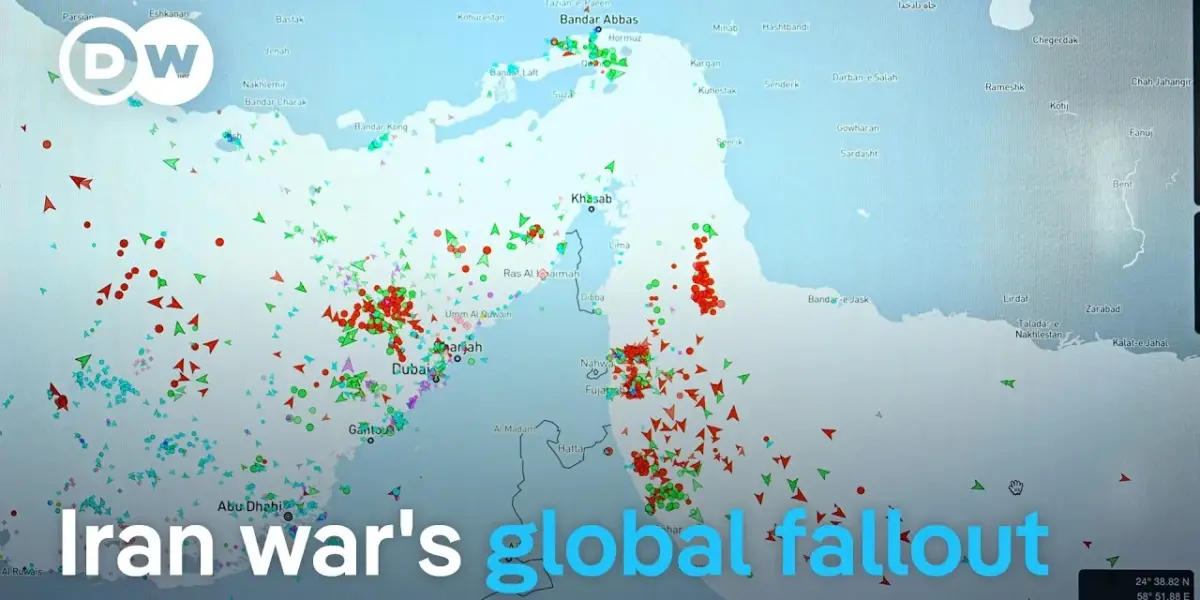
Global Aid Network Under Siege as Middle East Conflict Escalates
The escalating conflict in the Middle East is sending shockwaves across the globe, disrupting vital humanitarian aid networks and threatening to exacerbate crises for vulnerable populations worldwide. The United Nations has issued a stark warning, highlighting how the war is placing immense strain on the delivery of essential relief supplies, with potential catastrophic consequences for millions.
Supply Chain Collapse: A Ripple Effect on Humanitarian Efforts
The Middle East is a critical hub for the world’s humanitarian aid operations. Attacks on international shipping routes in the Red Sea and disruptions at major logistical centers like Dubai have brought aid shipments to a standstill. This paralysis in a key transit region is creating a domino effect, impacting relief efforts in every corner of the globe.
“War is hitting centers that are vital to the world’s humanitarian aid network,” a UN spokesperson stated. “After just one week, the conflict has already had serious impacts for the global economy and it’s threatening lives well beyond the region.” The breakdown in supply chains mirrors the devastating effects seen during the COVID-19 pandemic, raising fears of a significant increase in global hunger.
Soaring Costs and Delays: Aid Agencies Face Mounting Challenges
The war has dealt a severe blow to an aid industry already struggling with budget cuts and rising operational costs. The closure of airports and the increased risk to shipping routes have sent the expenses associated with delivering aid soaring. Beyond financial implications, the time factor has become critically important.
“It’s not just the cost, it’s also the time factor that’s quite critical here,” the spokesperson emphasized. “And what will happen is that people in dire need of assistance will have to wait longer for food.”
Africa on the Brink: Sudan and DRC Face Worsening Crises
The United Nations has expressed particular concern for Africa, a continent already grappling with numerous humanitarian emergencies. Regions such as Sudan, facing its largest displacement crisis in Africa, and the Democratic Republic of the Congo are now at increased risk due to the disruptions in aid flow.
While some aid deliveries are still managing to reach their destinations, the current volume is insufficient to meet the escalating needs. “Every day that this situation goes on creates a larger supply chain problem for us and for the world,” officials warned. “Impact could be lives not saved.”
UNICEF’s Response: Reaching Children Amidst Global Disruption
Ricardo Perez, a spokesperson for the UN children’s agency UNICEF, detailed the organization’s efforts to continue supporting children in crisis zones like Sudan and the Democratic Republic of the Congo, despite the logistical hurdles.
“What we’ve been always doing, we are present in these countries with our country offices. We have several programs that help children when it comes to protection, health, water and sanitation, access to education, social protection.”
UNICEF focuses on providing essential services, including psychosocial support for displaced children who have experienced trauma. The agency is committed to reaching children where others cannot, working through partnerships to ensure the delivery of life-saving supplies and services.
The Dire Reality for Malnourished Children
The impact of delayed aid is particularly acute for children suffering from malnutrition, where every day counts. Perez highlighted the unprecedented challenges faced by children globally, who are often the first and most severely affected by conflicts and climate disasters.
Malnutrition: A Race Against Time
In emergencies, access to communities and the timely delivery of sufficient supplies are paramount, as demonstrated by past crises in Sudan and Gaza. “When children start getting malnourished and we have very two recent examples from Sudan and Gaza… Where the main issue was really access.
It wasn’t the fact that we didn’t have supplies or even health workers who could help treating those children. It was really the lack of access to the communities and the quantity of supplies that we needed to avert a bigger crisis when it comes to famine and malnutrition,” Perez explained.
The provision of water, sanitation, and nutrition is critical in preventing rapid deterioration of health in children, and any delay poses a life-threatening risk. “It’s a very big concern for us to make sure that when an emergency hits that water and sanitation and nutrition are provided to children because those are really life-threatening and they can take a child’s life very quickly,” he concluded.
Looking Ahead: The Long-Term Implications of Aid Disruption
As the conflict in the Middle East persists, the strain on global humanitarian efforts is expected to intensify. The international community faces the urgent challenge of ensuring that vital aid can reach those most in need, preventing a further slide into widespread hunger and suffering. The long-term implications for global stability and human welfare hinge on the ability to overcome these unprecedented logistical and financial obstacles.
Source: How is the Iran war impacting global relief efforts? | DW News (YouTube)

Related Articles


Trump’s War Strategy Crumbles Amidst Iranian Stand-Off
President Trump's diplomatic efforts with Iran have collapsed, leading to an emergency White House meeting. Iran claims the U.S. violated a ceasefire, prompting a refusal to negotiate. The situation teeters on the brink of military escalation, with critics raising concerns about corruption and the administration's strategy.


Iran Hints at New Weapons as Ceasefire Nears End
Iran has signaled the potential deployment of new battlefield weapons, including advanced drones and missile targeting systems enhanced by Chinese technology. This announcement comes as a crucial ceasefire is set to expire, raising concerns about renewed hostilities. The U.S. maintains a strong military presence in the region, ready to counter any aggressive actions.


US-Iran Tensions Flare as Ceasefire Deadline Looms
U.S.-Iran tensions are escalating as a critical ceasefire deadline approaches, with uncertainty surrounding upcoming peace talks in Pakistan. Meanwhile, FBI Director Kash Patel has filed a $250 million defamation lawsuit against The Atlantic over a report alleging misconduct. In Washington, the Labor Secretary resigned amid an investigation, and airport safety concerns are mounting after a series of weekend incidents.