Iran Warns of Toxic Rain After Israeli Strike on Oil Depot
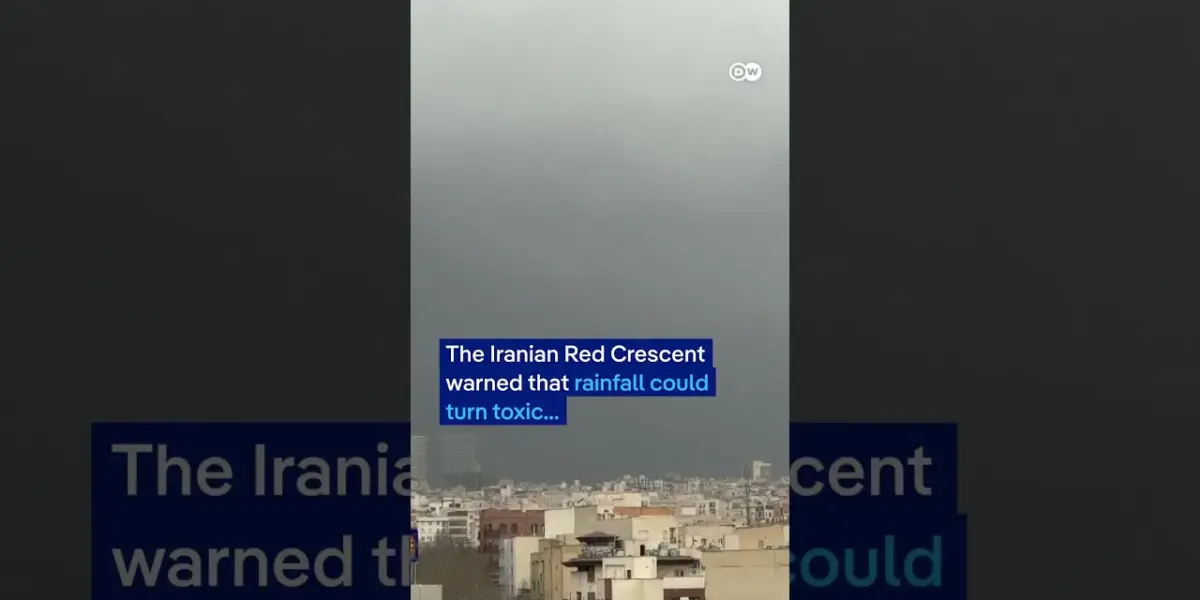
Tehran is blanketed in smoke following an overnight Israeli airstrike on oil depots, triggering massive explosions. Iran's Red Crescent has issued a severe health warning, advising citizens to stay indoors due to the risk of toxic rain.

Tehran Suffers Amidst Escalating Regional Tensions Following Oil Depot Attack
Tehran, Iran – The Iranian capital, Tehran, awoke shrouded in a thick blanket of smoke on [Date of Strike – inferred as recent], following a significant overnight strike on oil depots, an act attributed to Israeli airstrikes. The attack triggered massive explosions, prompting a stark warning from Iran’s Red Crescent about the potential for toxic rain and urging citizens to remain indoors due to severe health risks. The incident highlights the escalating regional tensions and the growing impact of the ongoing conflict on civilian populations.
Explosions Rock Capital, Health Alerts Issued
The precise timing and location of the strike, targeting oil depots, resulted in catastrophic tank explosions that sent plumes of dark, acrid smoke billowing into the sky, visible for miles. The scale of the explosions and the nature of the materials involved immediately raised concerns about the environmental and health consequences. In a statement disseminated via the messaging app Telegram, a platform commonly used for official communications in Iran, the nation’s Red Crescent issued a grave warning.
“Citizens are urged to stay inside due to health risks,” the statement read, specifically highlighting the danger posed by “toxic rain” resulting from the combustion of the oil and associated chemicals. This advisory served as a clear indication of the severity of the situation and the potential long-term health implications for residents exposed to the fallout.
The Red Crescent’s advisory is a critical indicator of the potential widespread contamination. The burning of petroleum products releases a complex cocktail of hazardous substances, including volatile organic compounds (VOCs), particulate matter, heavy metals, and other toxic byproducts. When these pollutants mix with atmospheric moisture, they can indeed lead to the formation of acidic or toxic rain, which can contaminate soil, water sources, and pose direct health threats through inhalation and skin contact.
Attribution and Regional Context
While the transcript directly attributes the airstrikes to “US-Israeli” forces, the specific details regarding the operational planning and execution remain officially undisclosed by the involved parties. However, the targeting of oil infrastructure in a region already grappling with heightened geopolitical instability points to a strategic move within the broader context of ongoing conflicts and proxy activities. Israel has a documented history of conducting strikes against Iranian-linked targets in Syria and elsewhere, aiming to disrupt what it perceives as threats to its national security, including weapons transfers and the establishment of hostile infrastructure.
The attack on oil depots, a critical component of national infrastructure, carries significant economic implications alongside the immediate security concerns. Such strikes can disrupt supply chains, impact energy prices, and inflict substantial damage on a nation’s economic capacity. For Iran, already facing international sanctions and economic pressures, the destruction of vital energy assets represents a considerable setback.
Expert Analysis and Potential Ramifications
The precautionary measures advised by the Red Crescent suggest a high level of concern among Iranian authorities regarding the potential for widespread environmental damage and public health crises. Health experts emphasize that prolonged exposure to the smoke and potential toxic rain could lead to a range of respiratory ailments, skin irritations, and potentially more serious long-term health issues, particularly for vulnerable populations such as children, the elderly, and individuals with pre-existing respiratory conditions.
The incident also is a clear reminder of the precarious security situation in the Middle East. The intermingling of military actions, potential retaliatory measures, and the risk of unintended civilian harm creates a volatile environment. The targeting of infrastructure, while often framed within military objectives, invariably carries collateral risks that can escalate tensions and lead to further rounds of conflict.
Looking Ahead: What to Watch
As Tehran grapples with the immediate aftermath of the strike, the international community will be closely monitoring the situation for signs of de-escalation or further escalation. Key developments to watch include any official statements from Iran detailing the extent of the damage and the health impact, as well as any responses or justifications from the involved parties. The potential for retaliatory actions and the broader implications for regional stability will remain a critical focus in the coming days and weeks.
Source: Tehran blanketed in smoke after overnight Israeli strike on oil depot | DW News (YouTube)

Related Articles

Kushner’s Iran Talks Draw ‘Repulsive’ Criticism
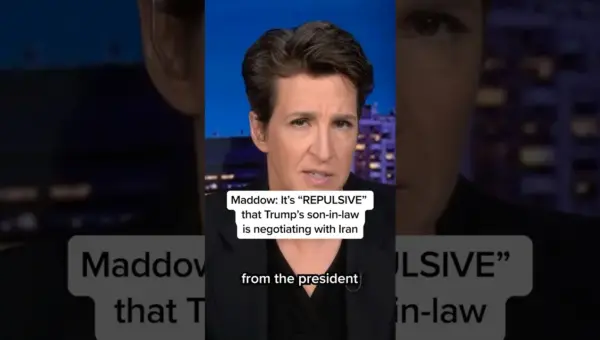
Rachel Maddow of MSNBC has voiced strong disapproval of Jared Kushner's reported involvement in negotiating with Iran. She described the situation as 'repulsive,' citing concerns over Kushner's business interests and lack of traditional diplomatic experience. This raises questions about potential conflicts of interest and the effectiveness of such sensitive talks.

Iran’s ‘New Cards’ Threat Risks Further Global Isolation
Iran's parliament speaker has threatened to reveal 'new cards,' but former Pentagon officials believe this will further isolate the regime. These potential moves, likely involving proxies or sleeper cells, are seen as a familiar but ineffective tactic. Investors are watching for potential escalation and its impact on regional stability and energy markets.

Trump’s Iran Claims Under Scrutiny After False Statements
MSNBC anchor Stephanie Ruhle has called attention to several untrue statements made by President Trump regarding Iran over the past week. Ruhle's report fact-checked the President's claims, highlighting discrepancies and questioning the accuracy of information presented on a critical international issue. The segment stressed the importance of reliable information for public trust and informed decision-making.