Lancet’s Scathing Critique: RFK Jr.’s HHS Year of Devastation
A scathing editorial in The Lancet criticizes Robert F. Kennedy Jr.'s first year at HHS, detailing policy decisions that allegedly caused "generational damage" to U.S. health and science. The journal highlights a resurgence in measles and the promotion of fringe beliefs as key failures.

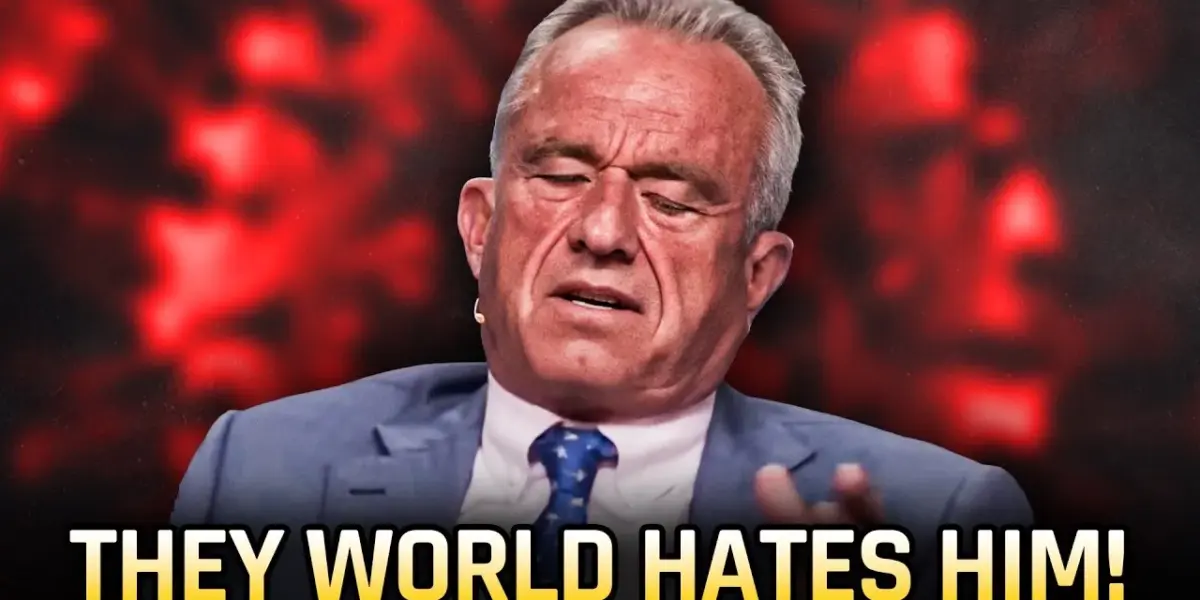
The Lancet Delivers Devastating Verdict on RFK Jr.’s Tenure at HHS
In a move that has sent shockwaves through the scientific and public health communities, The Lancet, one of the world’s oldest and most respected peer-reviewed medical journals, has published a blistering editorial excoriating the performance of Robert F. Kennedy Jr. During his first year at the helm of the Department of Health and Human Services (HHS).
The article, starkly titled “Robert F. Kennedy Jr.: One Year of Failure,” lays bare a series of actions and policies that the journal argues have inflicted generational damage on American health and scientific integrity, with little hope for immediate repair.
A Catalog of Controversies and Scientific Betrayal
The editorial board of The Lancet meticulously cataloged a range of “horrific” and “harrowing” decisions made under Kennedy’s leadership. These include the dismissal of experienced agency employees, the controversial revision of established scientific guidelines and recommendations, significant cuts to cutting-edge scientific research, the deliberate undermining of crucial vaccine policies, and the alarming promotion of “junk science and fringe beliefs.” The journal suggests that the destruction wrought in just one year may take generations to rectify, casting a grim shadow over the future of U.S. Health and science as long as Kennedy remains in his influential position.
While the article was likely penned before the recent viral footage of Kennedy engaging in unusual activities, such as working out and swimming in jeans with musician Kid Rock, the journal’s critique paints a picture of a leader whose tenure is characterized by actions that stray far from the principles of evidence-based public health. The implications of these policies, the journal contends, are far-reaching and deeply concerning.
Measles Resurgence: A Symptom of Declining Public Health
One of the most alarming trends highlighted is the resurgence of infectious diseases, particularly measles. The editorial points to the more than 1,000 confirmed cases of measles in the United States already in the early months of 2026 as a direct consequence of Kennedy’s approach.
For years, the narrative suggests, Kennedy has been a vocal proponent of misinformation and unsubstantiated claims regarding vaccine safety, a stance that directly contradicts decades of established scientific consensus and public health victories. This resurgence is not merely a statistic; it represents a failure to protect vulnerable populations and a regression in public health achievements.
Glyphosate Reversal: Profiting from Harm?
Further illustrating the controversial nature of Kennedy’s decisions, the editorial touches upon his apparent endorsement of increased production of the herbicide glyphosate, commonly known as Roundup, and the shielding of its manufacturers from liability. This stance is particularly jarring given Kennedy’s past involvement.
As noted, he was reportedly associated with major law firms that represented thousands of individuals who developed cancer linked to glyphosate exposure, and he profited from those lawsuits. The journal questions the ethical implications of this apparent reversal, suggesting that by allowing increased production and liability protection, Kennedy may be jeopardizing the very settlements that compensated victims, potentially forcing them to return funds they received.
A Legacy Tarnished?
The editorial in The Lancet positions Robert F. Kennedy Jr. As a figure whose actions are leading to a decline in national health and intellectual rigor, stating, “We are getting sicker. We are getting dumber.
And it is all because of Robert F. Kennedy Jr.” The journal posits that he will not be remembered favorably in the annals of history, unlike his distinguished father and uncle, but rather as a “permanent cancer on the Kennedy name.” This is a profound indictment, suggesting that his impact extends beyond policy decisions to the very legacy of his prominent family.
Why This Matters
The critique from The Lancet is significant not just because of the journal’s esteemed reputation, but because it validates concerns long held by many in the scientific and medical communities. When a publication of this caliber issues such a strong condemnation, it signals a critical juncture for public health policy.
The editorial highlights the vital importance of evidence-based decision-making, the protection of scientific integrity, and the dangers of promoting misinformation, particularly within governmental health agencies. The potential rollback of decades of scientific progress and the resurgence of preventable diseases have profound implications for public well-being and national security.
Implications, Trends, and Future Outlook
The implications of Kennedy’s tenure, as described by The Lancet, are dire. The erosion of trust in scientific institutions, the weakening of public health infrastructure, and the resurgence of preventable diseases are trends that, if unchecked, could lead to a public health crisis of unprecedented scale.
The cuts to research and the promotion of fringe theories risk stifling innovation and perpetuating harmful narratives. The future outlook, as painted by the journal, is one of immense challenge, requiring sustained effort to rebuild trust and restore scientific credibility.
Historical Context and Background
The appointment of Robert F. Kennedy Jr. To a significant role in health policy was itself controversial, given his long history of promoting vaccine skepticism and alternative health theories. This appointment marked a departure from the traditional emphasis on scientific consensus within public health leadership.
The historical context here is crucial: the United States has a long-standing commitment to public health initiatives, built upon rigorous scientific research and widespread public trust. The actions described by The Lancet represent a potential deviation from this foundational principle, raising questions about the direction of health policy and the influence of non-scientific viewpoints in governmental decision-making.
The editorial from The Lancet is a stark warning. It calls into question the leadership at HHS and highlights the potential for significant, long-lasting damage to public health when scientific principles are compromised. The coming years will likely reveal the full extent of these impacts and the arduous task of restoring faith in the institutions dedicated to protecting the nation’s health.
Source: Leading Medical Journal Slams RFK Jr 's ‘Year Of Failure’ (YouTube)

Related Articles

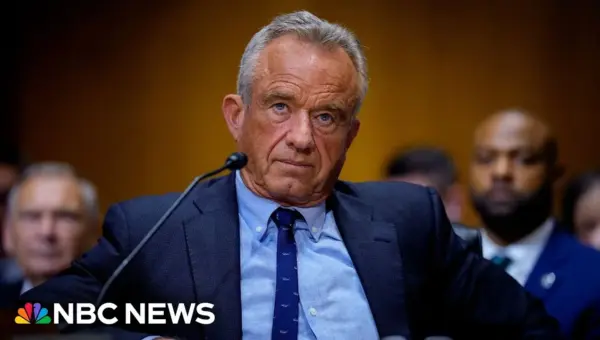
Health Secretary Defends Budget Amid Cuts and Research Concerns
Health and Human Services Secretary Robert F. Kennedy Jr. faced tough questions from senators regarding proposed budget cuts and their impact on biomedical research and public health programs. Senators expressed alarm over reduced grant funding, workforce cuts at agencies like the CDC, and concerns about women's health research. The hearing highlighted a stark contrast between the administration's budget priorities and congressional intent.

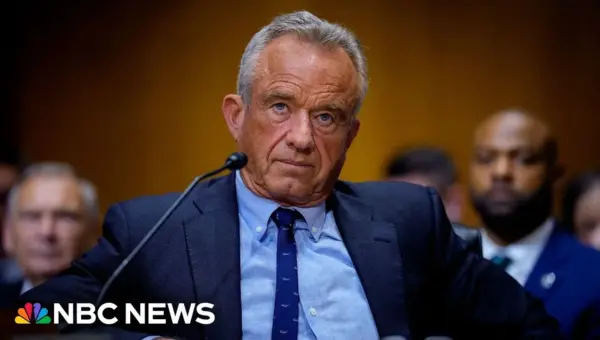
Health Secretary Defends Policies Amid Fierce Congressional Debate
U.S. Health Secretary Robert F. Kennedy Jr. faced a challenging House hearing, defending the fiscal year 2027 HHS budget amidst sharp criticism from lawmakers. While the administration highlighted its focus on prevention, rural health, and transparency, critics raised serious concerns about policy decisions impacting vaccine programs, research funding, and public health initiatives.
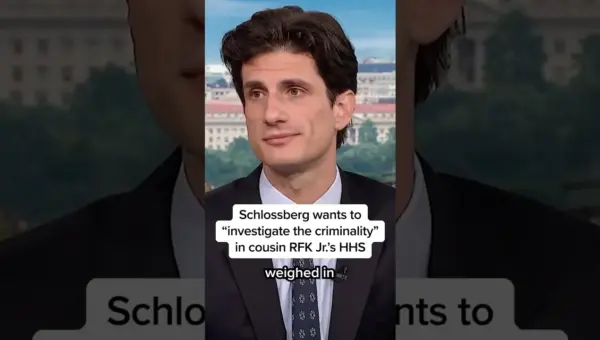
Schlossberg Vows HHS Probe Amid Cousin RFK Jr.’s Leadership
Jack Schlossberg, running for Congress in New York's 12th district, announced his plan to investigate the Department of Health and Human Services (HHS), currently led by his cousin, Robert F. Kennedy Jr. He aims to uncover alleged "criminality" and question who is funding the administration's actions while Americans struggle financially. Schlossberg's pledge highlights his campaign's focus on transparency and government accountability.