Trump’s Economy Crumbles Under War and Tariffs
New job numbers reveal a devastating loss of 100,000 jobs in February, a sharp contrast to economist expectations and a blow to the administration's economic narrative. Escalating geopolitical tensions and tariffs are cited as major contributors to this downturn, impacting key sectors and financial markets.

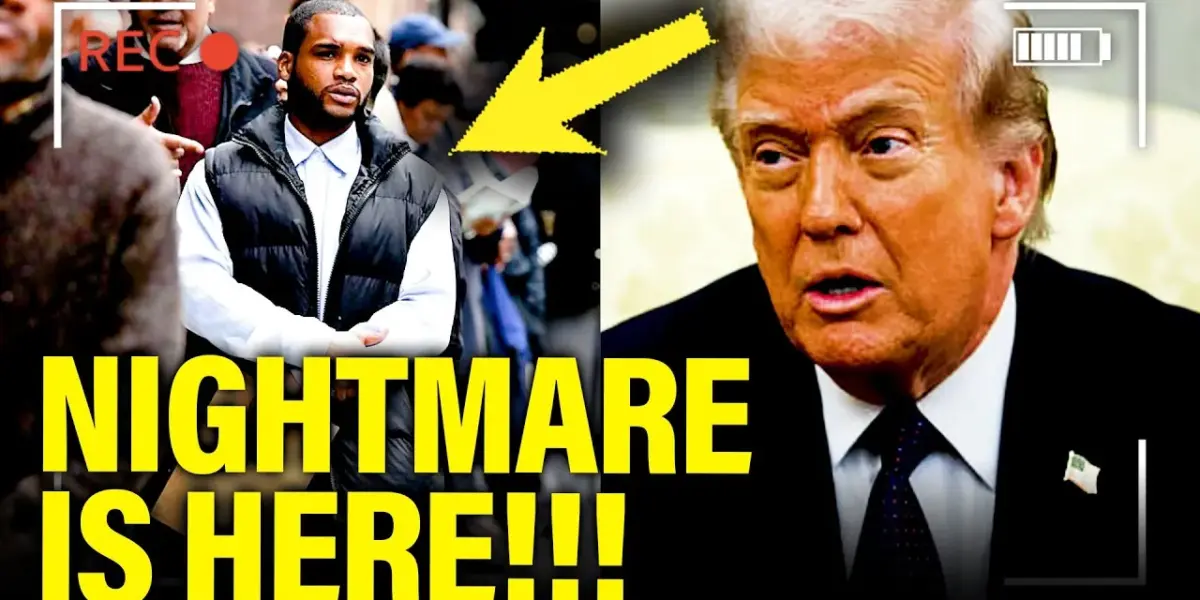
Economic Woes Mount as Job Losses Accelerate
Recent economic data paints a grim picture, starkly contradicting the optimistic narrative often presented regarding the state of the economy under Donald Trump’s leadership. While economists had projected a modest gain of around 60,000 jobs for February, the actual figures revealed a devastating loss of 100,000 jobs.
This significant shortfall, a deviation of 160,000 from projections, signals a deepening economic malaise. Compounding this issue, job numbers from December and January have been revised downward by an additional 69,000, further underscoring a troubling trend of economic contraction.
Sectoral Weakness Undermines Growth Claims
The job losses are not confined to a single sector but are broadly distributed, affecting key areas that one might expect to be robust under a pro-business administration. Construction, a sector often associated with the “builder” image of Donald Trump, saw a loss of 11,000 jobs in February alone. Healthcare experienced a decline of 28,000 jobs, while the vital restaurant and bar industry lost 30,000 positions.
Most alarmingly, manufacturing, a cornerstone of Trump’s economic platform, shed 12,000 jobs in February. This marks the 14th job loss in manufacturing out of the last 15 months, a sustained period of decline that directly challenges the promise of bringing factory jobs back to America.
Geopolitical Instability Fuels Economic Downturn
The unfolding events in the Middle East, particularly the escalating tensions and conflict involving Iran, are having a direct and detrimental impact on the global economy, and by extension, the United States. The disruption of oil tanker traffic through the Strait of Hormuz, a critical transit zone, has led to a surge in oil and energy prices.
Financial markets are reacting with alarm, interpreting these developments as a clear indicator of instability. The argument is made that the sole rationale for Trump’s election was the promise of low oil prices and a booming economy; however, current conditions suggest the opposite is occurring, with escalating conflict and rising energy costs.
Historical Parallels and Contrasts
The current situation is being analogized to historical presidencies, drawing a contrast with Lyndon B. Johnson. Johnson is remembered for his significant domestic policy achievements, including the Great Society programs, but struggled with foreign policy, particularly the Vietnam War, which ultimately led him to forgo a second term.
The analysis suggests Trump faces a reverse problem: a severely underperforming domestic economy and a series of scandals, while engaging in foreign policy actions that exacerbate economic instability. This approach is seen as exporting chaos abroad to distract from domestic failures.
Market Reaction and Public Sentiment
The financial markets are demonstrating a clear lack of confidence in the current economic stewardship. Stock markets have experienced significant downturns, reflecting investor concerns about the trajectory of the economy and the impact of geopolitical events. Public sentiment, as indicated by polling, appears to be souring, with approval ratings potentially dipping below the 30% mark.
Independent voters, crucial to electoral success, are reportedly distancing themselves, and younger voters are also expressing dissatisfaction. The economic data, coupled with ongoing scandals and unpopular policies like immigration, are seen as significant liabilities that cannot be easily remedied before upcoming elections.
Why This Matters
The current economic trajectory, characterized by job losses, rising energy prices, and market volatility, has profound implications for American households and the broader political landscape. The failure to deliver on key economic promises, such as low gas prices and job creation, directly impacts the livelihoods of citizens and erodes trust in leadership.
The unfolding geopolitical situation, while a complex international issue, is being presented as a direct consequence of policy decisions that are negatively affecting domestic economic stability. This confluence of factors suggests a critical juncture where the administration’s handling of both domestic and foreign policy is being severely scrutinized, potentially leading to significant electoral consequences.
Implications, Trends, and Future Outlook
The sustained negative job growth in manufacturing and other key sectors, alongside the inflationary pressures from rising energy costs, points to a challenging economic outlook. The trend of economic policies appearing to exacerbate rather than solve problems, such as tariffs leading to job losses and foreign conflicts driving up prices, suggests a need for a fundamental reevaluation of the administration’s approach.
The increasing public dissatisfaction and market skepticism indicate a growing disconnect between the administration’s narrative and the reality on the ground. As elections approach, the economy and foreign policy decisions will likely remain central themes, with voters weighing the tangible impacts on their daily lives.
The analysis concludes with a call to action for voters to express their dissatisfaction at the ballot box, likening the current economic situation to “dead fried chicken” that needs to be discarded. The urgency is underscored by the approaching election cycle, with ballots being printed and primaries underway, leaving little time for the administration to course-correct significant economic or political damage.
“The economy should be the driving wedge between the people and Donald Trump once and for all. He can’t fix all of these failings between now and the midterms.”
The political strategy of using foreign conflicts to distract from domestic policy failures is seen as a flawed and ultimately unsustainable approach. The hope is that the economic realities will become undeniable, forcing a reckoning with the administration’s performance and leading to a desire for change.
Source: Trump Awakes to DEVASTATING NEWS of His OWN MAKING (YouTube)

Related Articles
Trump’s Cryptic Posts Signal Deep Personal Struggles
Donald Trump's recent surge in cryptic and repetitive social media posts, including a video of Frank Sinatra singing "My Way," has sparked widespread concern. Analysts suggest these actions signal a struggle with mortality and a disconnect from reality, raising questions about his fitness for office.
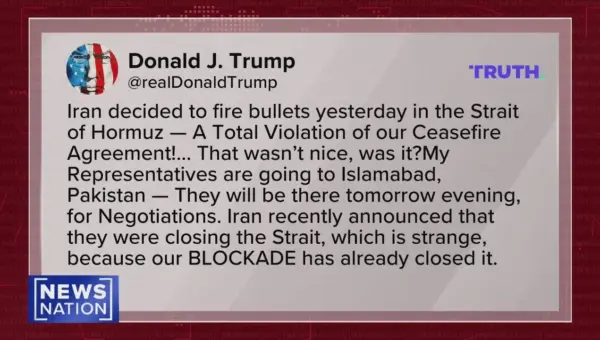
Trump Claims Iran Violated Ceasefire in Hormuz Strait
President Trump accused Iran of violating a ceasefire by firing on ships in the Strait of Hormuz. Conflicting reports and "media warfare" from both sides create confusion. The situation impacts global oil prices and highlights the ongoing diplomatic challenges.

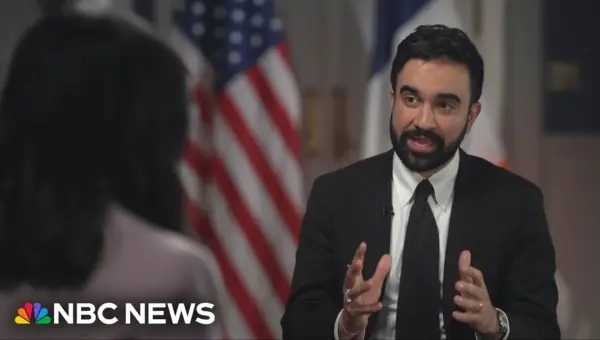
Mayor Mamdani Delivers on Promises, Tackles Budget Woes
Mayor Zohran Mamdani outlined progress on his campaign promises, including universal childcare and faster buses, during his first 100 days. He is addressing a $5.4 billion budget shortfall through progressive taxation and plans for city-run grocery stores. Mamdani also discussed his productive relationship with President Trump and his commitment to New York City.