US Strikes Iran School: ‘Moral Abomination,’ Calls Analyst
A devastating airstrike on an Iranian girls' elementary school, reportedly by U.S. forces, has killed at least 165 people, mostly children. Analysts are condemning the incident as a "moral abomination and tactically stupid," citing an aggressive military ethos and potentially flawed targeting processes. The war's growing civilian toll is fueling domestic opposition and raising serious questions about U.S. strategy and objectives.

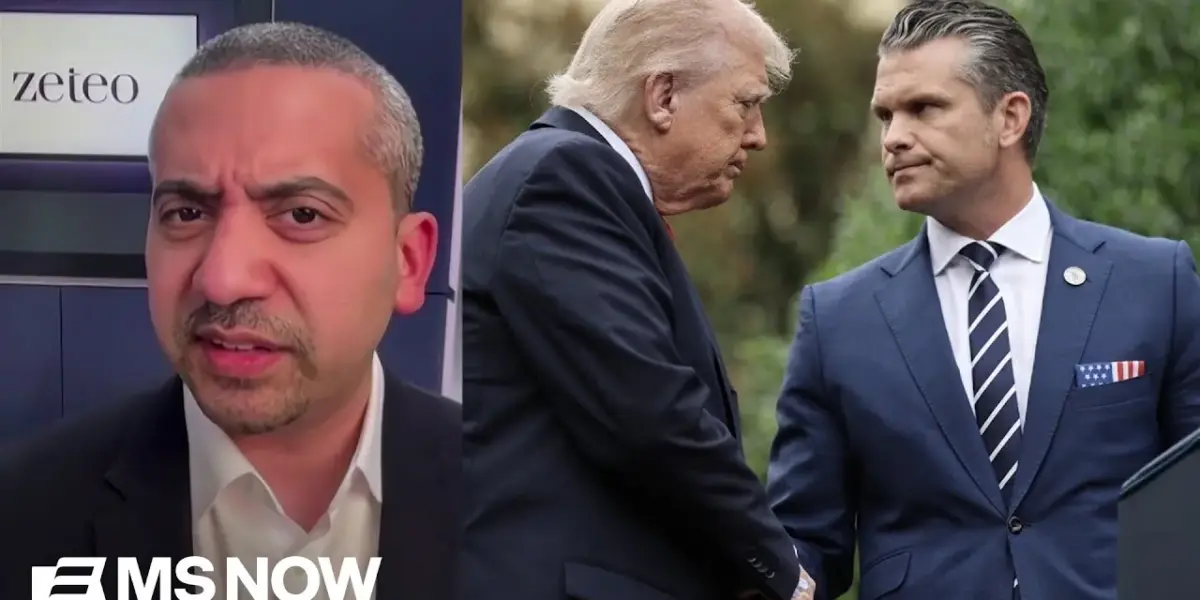
US Blamed for Deadly Iran School Strike, Analysts Condemn ‘Tactical Stupidity’
In the unfolding conflict between the United States and Iran, a devastating airstrike on a girls’ elementary school in Minab last Saturday has claimed the lives of at least 165 people, the majority of them children. While the Pentagon has not officially claimed responsibility, extensive analyses from major news outlets, including The New York Times and The Washington Post, along with Reuters reporting, strongly indicate U.S. Culpability for the tragedy.
Investigators believe the incident was likely an accident, occurring as U.S. forces were targeting a nearby naval base. This unfathomable loss of life is being attributed by some observers to an aggressive military ethos promoted by the Trump administration, characterized by a “shoot first, ask questions later” approach.
Aggressive Military Posturing and ‘Maximum Authorities’
The narrative emerging suggests that the strike on the school aligns with a broader military doctrine emphasized by figures like Pete Hegseth, who has advocated for a more assertive U.S. Presence and action in Iran. Quotes attributed to this line of thinking suggest a deliberate granting of “maximum authorities” by the president, with an emphasis on “bold, precise” rules of engagement designed to “unleash American power, not shackle it.” This approach, described as “not a fair fight” and “punching them while they’re down,” appears to be a stark departure from previous military doctrines, raising significant concerns about civilian casualties.
“This was never meant to be a fair fight, and And it is not a fair fight. We are punching them while they’re down, which is exactly how it should be.”
Concerns Over Civilian Casualties and ‘Politically Correct Wars’
Mehdi Hassan, founder of ZETEO and host of “Mehdi Unfiltered,” has been a vocal critic of the war’s conduct and its devastating impact on civilians. He draws parallels to past incidents, such as the U.S. Bombing of the Chinese embassy in Serbia, acknowledging that accidents can occur in wartime. However, he highlights recent statements from the Secretary of Defense, who has reportedly downplayed the significance of such incidents, dismissing concerns as “stupid rules of engagement” and “politically correct wars.” This attitude, Hassan argues, reflects a disturbing disregard for the lives of Iranian civilians.
The scale of the alleged civilian toll is staggering. On the first day of the conflict, reports indicate that 160 children were killed. The attacks have reportedly extended to a dozen hospitals, according to the World Health Organization.
UNICEF data suggests that in the first six days of the war, 1,200 civilians, including 200 children, have been killed in Iran. This raises serious questions about the stated objective of the war, which was purportedly to protect the Iranian people from their own regime.
Technological Acceleration and Diminished Civilian Protection
Further complicating the targeting process, there are reports of the U.S. military utilizing artificial intelligence to rapidly generate target lists. The use of AI platforms like Claude and Maven from Palantir and Anthropic to produce thousands of targets daily is seen as a potential contributor to the increased risk of hitting civilian infrastructure, including schools and hospitals.
Compounding these concerns, the Pentagon’s office responsible for mitigating civilian harm has reportedly been significantly downsized, with many personnel reportedly being let go. This move is interpreted by critics as a further indication that civilian casualties are not a priority for the current administration.
Geopolitical Implications and Questionable Strategy
The strategic implications of the strike and the broader war effort are being closely scrutinized. With reports of as many as 30,000 Iranians killed by their own government during recent protests, the U.S. Intervention is seen by some as counterproductive, potentially alienating a population that largely opposes its current leadership. The rhetoric and actions, including the alleged bombing of a submarine with sailors left to drown, are described as “wildly self-defeating” and a “moral abomination and tactically stupid.”
Former Israeli intelligence officials have also weighed in, with some stating that Israel’s primary objective is a weakened Iranian regime, regardless of the internal consequences for the Iranian people. This perspective suggests a potentially divergent set of goals between the U.S. and Israel, with Israel appearing to be more committed to the current military engagement. The approach is seen as learning from the playbook of the conflict in Gaza, where bombing of hospitals and schools has allegedly occurred with perceived impunity.
Shifting Public Opinion and Unpopular War
Unlike previous American military engagements, the current conflict in Iran is reportedly facing significant public disapproval at home. Polling data suggests that the war is as unpopular on its sixth day as the Iraq War was in 2014, a stark contrast to the initial public support often seen in the early stages of past conflicts. Analysts predict that this unpopularity will only grow as more civilian casualties mount, drawing parallels to the famous sketch from the British comedy show “Mitchell and Webb,” where characters question, “Are we the baddies?”
The question of whether the U.S. is inadvertently aiding the Iranian regime by alienating its population, or if the strategy is truly making Americans safer, is becoming increasingly urgent. Many believe that the majority of Americans do not support such actions, especially when they involve the bombing of schools and hospitals and the potential for widespread civilian death.
The Road Ahead
As the conflict continues, the world will be watching to see if there is a re-evaluation of U.S. military strategy and rules of engagement. The growing international condemnation, coupled with the potential for escalating civilian casualties and domestic public outcry, could force a significant shift in policy. The long-term consequences of this conflict, both for regional stability and for America’s standing on the global stage, remain uncertain.
Source: Mehdi on Trump’s Iran war: ‘Moral abomination and tactically stupid’ (YouTube)

Related Articles

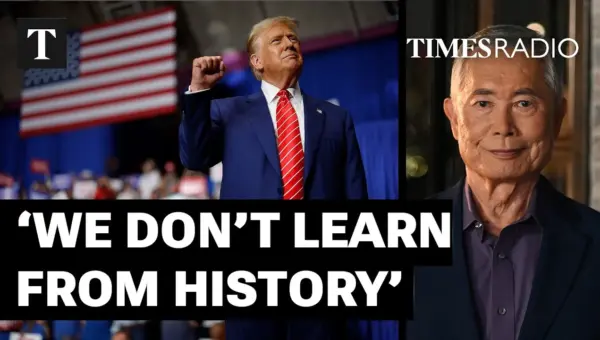
George Takei: Trump Is a ‘Menace to the World’
Actor George Takei has strongly criticized Donald Trump, labeling him a "fascist president" and a "menace to the whole world." Takei drew parallels between current American politics and the hysteria leading to Japanese American internment during WWII, emphasizing the dangers of repeating history. He also reflected on Star Trek's role in promoting social progress and his own journey as an activist.

Trump Halts Vance’s Iran Peace Talks Amidst New Developments
Former President Donald Trump has unexpectedly withdrawn Senator JD Vance from upcoming peace talks with Iran just hours before they were scheduled to begin. Citing undisclosed new information, Trump's decision introduces uncertainty into the critical diplomatic negotiations. The reasons behind Vance's exclusion and its potential impact on the talks remain a subject of intense speculation.
Democrats Unite Against Trump, Eyeing Midterm Gains
Democratic leaders and activists in Michigan are aligning with a unified message against Donald Trump, viewing him as a central threat ahead of the midterm elections. High energy and record attendance at a recent convention signal a motivated base focused on countering Trump's influence. The party plans to leverage concerns about corruption and economic hardship as key campaign themes.