Scout’s Rugged EV Truck Delayed to 2028 Amidst Production Woes
The rugged Scout electric truck and SUV have been delayed again, now slated for a 2028 launch. Citing production issues and financial constraints, the company's timeline reflects broader EV market hesitations and the complexities of establishing a new automotive brand.

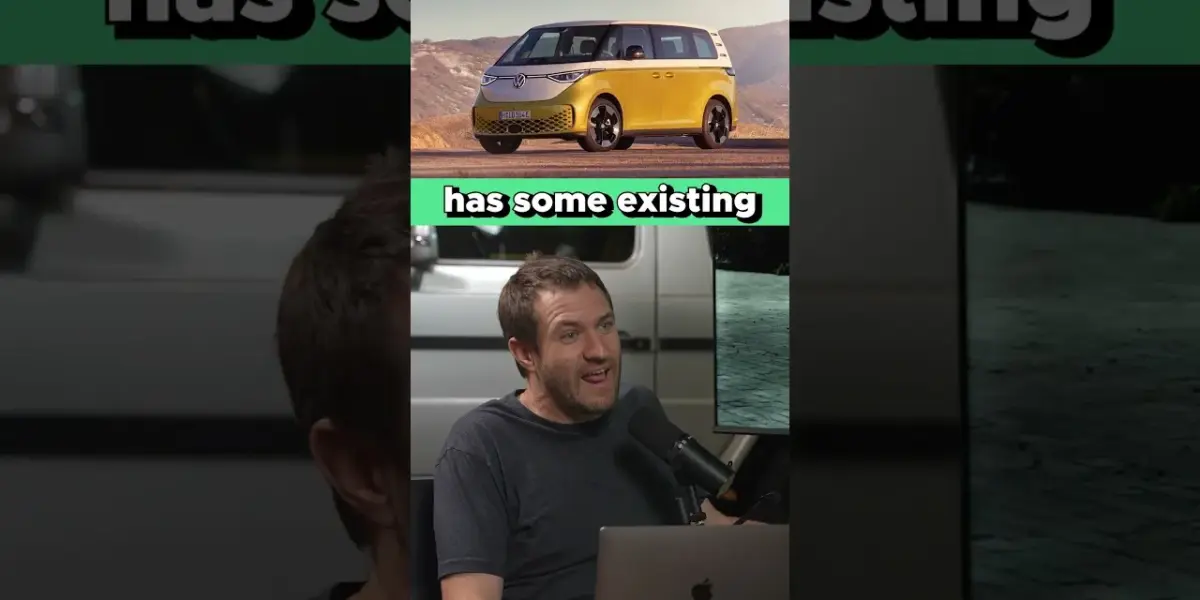
Scout EV Truck Pushed Back to 2028
The highly anticipated Scout electric truck and SUV have hit another significant roadblock, with the company announcing a revised launch timeline pushing deliveries back to 2028. This marks another substantial delay for the revived brand, which had already faced earlier setbacks. While Scout cites production challenges and financial considerations as the primary reasons, the broader market sentiment towards electric vehicles may also be playing a role in this extended timeline.
Production Hurdles and Financial Realities
In a recent announcement, Scout confirmed that its debut models, the rugged-looking electric pickup truck and SUV, will not reach customers until 2028. The company attributes this delay to a combination of “technical issues and existing financial obligations.” This statement, while offering a reason, raises questions about the underlying stability and readiness of Scout’s manufacturing plans, especially given its parent company, Volkswagen, is known to have considerable financial commitments and is navigating a complex global automotive market.
The automotive landscape is currently experiencing a slowdown in EV demand, with many consumers showing apprehension about the technology and infrastructure. This shift in market dynamics, coupled with the inherent difficulties of establishing a new automotive manufacturing operation from scratch, likely contributes to Scout’s decision to postpone its launch.
Building a vehicle is an immensely complex undertaking, and for an upstart manufacturer, these challenges are amplified. It appears Scout is more apprehensive about the manufacturing and logistical hurdles than the design of its vehicles, which have generally been well-received for their classic, utilitarian aesthetic.
Market Conditions and Strategic Timing
The extended delay to 2028 also coincides with the next U.S. Presidential administration. While Scout hasn’t explicitly stated this as a factor, the current political and economic climate, along with potential shifts in government incentives or regulations for electric vehicles, could influence their go-to-market strategy.
The current market sentiment, where many consumers are hesitant about purchasing EVs, is undoubtedly a significant consideration. It’s difficult for any new manufacturer to launch a product in a challenging market, and Scout is facing this reality head-on.
Despite the setbacks, there remains considerable excitement surrounding the Scout brand. Its heritage as a capable, off-road-ready vehicle resonates with a dedicated fanbase. The success of other EV startups like Rivian, which built a strong brand and loyal following without prior name recognition, offers a potential roadmap.
However, the delays raise concerns about Scout’s ability to maintain momentum and capitalize on the initial enthusiasm generated by its concept vehicles. The longer the wait, the greater the risk of competitors gaining market share or consumer interest shifting elsewhere.
Volkswagen’s Broader Challenges
The financial obligations mentioned by Scout are intrinsically linked to Volkswagen’s overall financial health. Recent reports have indicated that Volkswagen is facing its own set of financial pressures, including a need to implement layoffs for the first time in its history. This situation understandably impacts its subsidiaries and future projects.
While Volkswagen has the resources to eventually bring Scout to market, the current economic climate and the company’s internal challenges suggest a cautious approach to launching new, capital-intensive ventures. The viability of Scout’s ambitious plans hinges not only on its own execution but also on the broader financial stability and strategic priorities of its parent company.
Who is the Scout For?
When Scout eventually launches, its target audience is likely to be enthusiasts who appreciate rugged, utilitarian design, off-road capability, and the prospect of an electric powertrain that doesn’t compromise on adventure. The brand’s heritage suggests a buyer who values durability, simplicity, and a connection to classic American automotive roots.
The electric powertrain, when realized, would appeal to those seeking a more sustainable option without sacrificing the go-anywhere spirit associated with the Scout nameplate. However, the extended delay means that this target demographic will have to wait considerably longer to see if Scout can deliver on its promises.
Verdict (Pending Launch)
The delay of the Scout electric truck and SUV to 2028 is a significant disappointment for enthusiasts eager to see the revival of this iconic brand in the electric era. While the reasons cited—production challenges and financial obligations—are understandable in the context of launching a new automotive company and the current market conditions, the extended timeline raises questions about Scout’s long-term viability. The brand has generated substantial excitement with its design and concept, but the prolonged wait puts immense pressure on its ability to execute flawlessly when it finally arrives.
Until the vehicles are in production and available for purchase, any assessment of their performance, interior, or value remains speculative. The automotive world will be watching closely to see if Scout can overcome these hurdles and deliver the rugged, capable EVs it has promised.
Source: The Scout truck has been delayed… AGAIN! (YouTube)

Related Articles

Nissan Hits 10 Million U.S.-Made Vehicles Milestone
Nissan has officially produced its 10 millionth vehicle in the United States, a major milestone for the automaker. This achievement was largely driven by strong demand for its luxury SUVs, including the Infiniti QX80 and the newly manufactured QX65, at its expansive Smyrna, Tennessee plant. The company has invested over $9 billion in its U.S. operations.

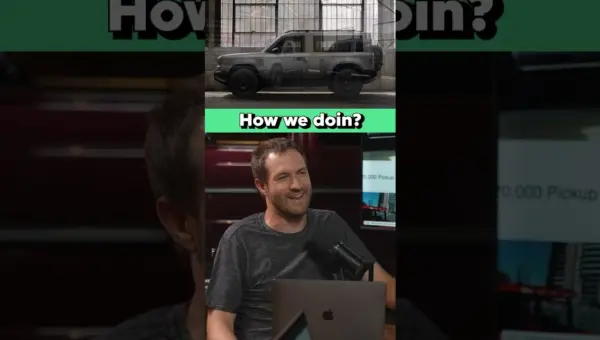
Slate EV Truck: Review Delayed, Price Hiked
The Slate EV truck's highly anticipated review by Doug DeMuro is repeatedly being postponed, coinciding with significant price increases. This delay raises concerns about the vehicle's readiness and the manufacturer's confidence in its product amidst a competitive EV truck market.


Scout’s $60K Price Tag: Will It Last?
Scout has announced an ambitious $60,000 starting price for its upcoming electric truck and SUV. However, past industry trends suggest this figure may increase significantly by launch, as new manufacturers recoup massive development costs. The final price will be critical for Scout's market success.