Trump’s Iran Strategy Echoes Iraq War’s Perilous Path
Donald Trump's approach to Iran is drawing stark comparisons to the lead-up to the Iraq War, raising concerns about unclear objectives and potential long-term chaos. Britain's hesitant stance and criticisms of leadership add to the geopolitical uncertainty, with significant global economic repercussions looming.

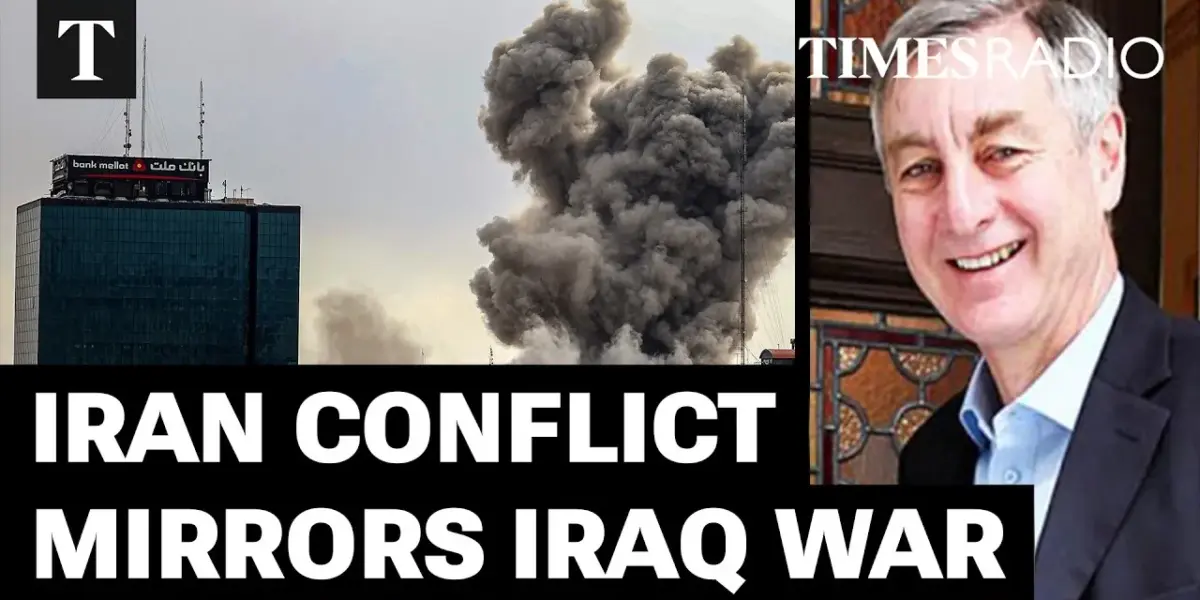
Shadow of Iraq Looms Over Trump’s Iran Policy
As tensions escalate in the Middle East, a critical question hangs in the air: is Donald Trump’s approach to Iran echoing the disastrous decisions that led to the Iraq War? This concern is not just a theoretical one, but a deeply felt apprehension among foreign policy analysts and the public alike, drawing parallels between the current volatile situation and the years of chaos that followed the 2003 invasion of Iraq.
Unclear War Aims and Shifting Strategies
The core of the unease lies in the perceived lack of clear objectives and a coherent strategy regarding Iran. “The topping of the Ayatollah, you know, happened in the first few hours. There’s a little bit of, you know, Hamlet’s dead.
Why are we still at the theater?” remarked one analyst, capturing the sentiment of bewilderment. This sentiment is amplified by Trump’s own pronouncements, such as his stated desire to choose Iran’s next Supreme Leader. “You begin to wonder, does the guy quite know, you know, what’s happening on the ground and what he thinks is an appropriate role for outsiders in Iran,” questioned a commentator, highlighting the confusion surrounding the administration’s intentions.
The potential endgame remains nebulous. One scenario posited is a sudden declaration of victory: “We’ve done what we want. We’ve destroyed their missiles.
We’ve made it impossible for them to develop a nuclear weapon, and that’s it. We’ve won.” However, the uncertainty of whether this would indeed be the end leaves many skeptical.
Britain’s Navigational Difficulties
The UK finds itself in a particularly challenging position, attempting to balance its alliance with the United States with a commitment to international law and its own security interests. Initially, the British government emphasized that only defensive actions would be contemplated, a stance that implied criticism of U.S. Actions and raised questions about their legality and realistic goals. This cautious approach was contrasted with a more recent, and potentially alarming, suggestion that the RAF could be involved in bombing sites within Iran itself.
However, the possibility of direct British military engagement in offensive operations within Iran is widely considered unlikely. “I think that’s pretty unlikely.
I don’t think that’s Starmer’s line at all,” stated a defense analyst, suggesting that any more aggressive stance would likely be a response to direct attacks on friendly Gulf countries or British bases, such as those in Cyprus. The distinction between being part of an offensive war effort and undertaking vigorous defensive policy remains a key point of contention.
Critique of Leadership and the Rule of Law
The leadership of Keir Starmer, the leader of the Labour Party, has faced significant criticism for its handling of the escalating crisis. “I think that this is a very difficult and murky situation and I think what you call for most of all in the sort of fog of war is decisive leadership and that’s exactly what we haven’t seen from Starmer,” argued Alice Denby, opinion and features editor at CityM. She further elaborated that Starmer’s approach has been perceived as “slightly legalistic, oh, it’s against international law.
Oh, but now it’s fine that we’ve been attacked. So, it’s very unclear.” This perceived lack of moral clarity has left the British public and allies alike questioning the government’s stance.
Conversely, Michael Binyon, former diplomatic editor of The Times, underscored the long-term importance of the rule of law. “I certainly think that the rule of law does actually matter in the long term,” he asserted.
He cautioned against a mindset that dismisses legal frameworks: “It’s a bit unclear to just say that well the rule of law is for, you know, wimps and we don’t really need that. We just do what needs to be done and we actually decide what is in the interest of us and of the world.” Binyon firmly believes this approach is misguided and directly invokes the specter of Iraq, a conflict that began with UN authorization but devolved into prolonged instability due to a lack of post-invasion planning.
The Milliband Factor and Political Maneuvering
The political dynamics within the Labour Party, particularly the influence of Ed Miliband, have also been scrutinized. Some suggest that Starmer’s cautious approach is not a sign of strength but rather of political weakness, influenced by internal party opposition and recent electoral setbacks, such as the loss of the Gorton and Denton by-election. The argument is made that Miliband, often seen as a key figure influencing policy, has a history of opposing military action and advocating for positions that have, in the past, arguably weakened Britain’s standing or emboldened adversaries.
Specific instances cited include Miliband’s role in opposing air strikes in Syria in 2013, which allegedly undermined a U.S. “red line” and emboldened Bashar al-Assad. His moratorium on North Sea oil drilling is also mentioned as a policy that could increase vulnerability to oil price spikes. His influence on Labour’s leadership election rules is seen by some as having paved the way for Jeremy Corbyn’s ascent, leading to further challenges for the party.
Global Economic Repercussions
Beyond the immediate geopolitical concerns, the escalating tensions carry significant economic implications. Rising oil and energy prices are a near certainty, exacerbated by high insurance rates that deter tankers from navigating the Strait of Hormuz, even with potential U.S. Escorts. While the UK has made strides in diversifying its energy sources, reliance on imports remains a vulnerability.
The broader global economy is expected to suffer from increased uncertainty and a lack of investor confidence. “No investor likes uncertainty,” stated a financial analyst.
The potential for wider conflict could disrupt trade routes, impact export markets, and undermine nascent signs of economic recovery. “It’s a worry and it will have a knock-on effect and it will unfortunately undermine what appeared to be just a tiny little green shoot of economic revival for this country,” concluded the analyst.
Looking Ahead: A Precarious Path
As the situation in the Middle East remains fluid, the world watches with bated breath. The ultimate success or failure of Trump’s Iran strategy, and the extent to which it avoids the pitfalls of the Iraq War, will depend on the clarity of its objectives, the coherence of its execution, and the ability of international actors to navigate the complex web of alliances and rivalries. The coming weeks will be crucial in determining whether de-escalation is possible or if the region is set for further turmoil, with significant global consequences.
Source: Trump’s Iran Approach Invokes Memories of Iraq War (YouTube)

Related Articles

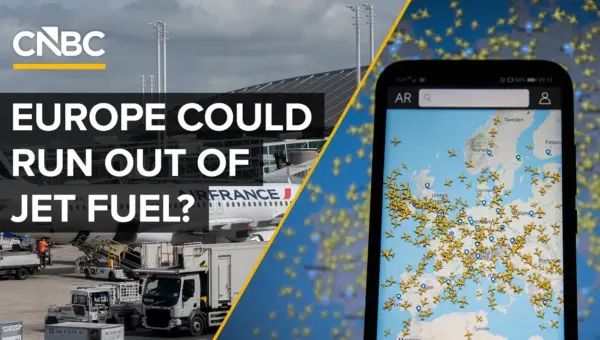
Europe Faces Jet Fuel Crunch, Threatening Summer Travel
Europe faces a critical jet fuel shortage, threatening summer travel. Reliant on Middle Eastern imports, disruptions have led to rising fuel costs, forcing airlines to increase ticket prices and adjust schedules. Travelers can expect higher fares and potential flight rationing as the peak season approaches.
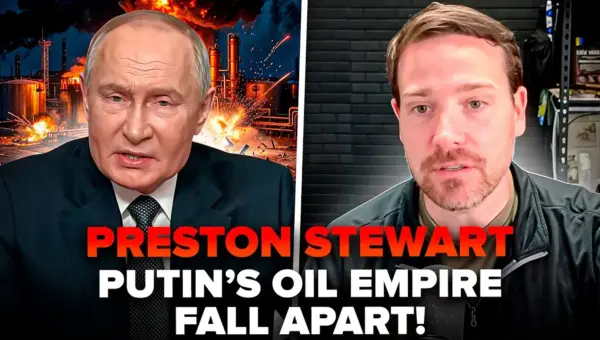
Ukraine’s Drone War Shifts Battlefield Dynamics
Ukraine's strategic shift to drone warfare is reshaping the battlefield as Western aid dwindles. The nation's innovation in this area forces Russian adaptation and challenges Moscow's objectives. Observers note Russia's resilience despite high casualties, while Ukraine's drone advancements offer potential for future technology transfer.
Trump’s Chaotic Diplomacy Fuels Iran Tensions
Conflicting reports and last-minute changes surrounding JD Vance's role in Iran negotiations highlight the Trump administration's chaotic foreign policy. This pattern of escalating threats followed by claims of progress raises questions about U.S. credibility and the path toward stability.