Trump’s Ruthless Purge: Noem’s Downfall Signals a New Era
Kirstjen Nielsen's ousting from DHS highlights the transactional and often ruthless nature of Donald Trump's leadership. Her "humiliation" serves as a stark warning to appointees about the paramount importance of unwavering loyalty and the expendability of those who fail to meet the President's ever-shifting expectations.

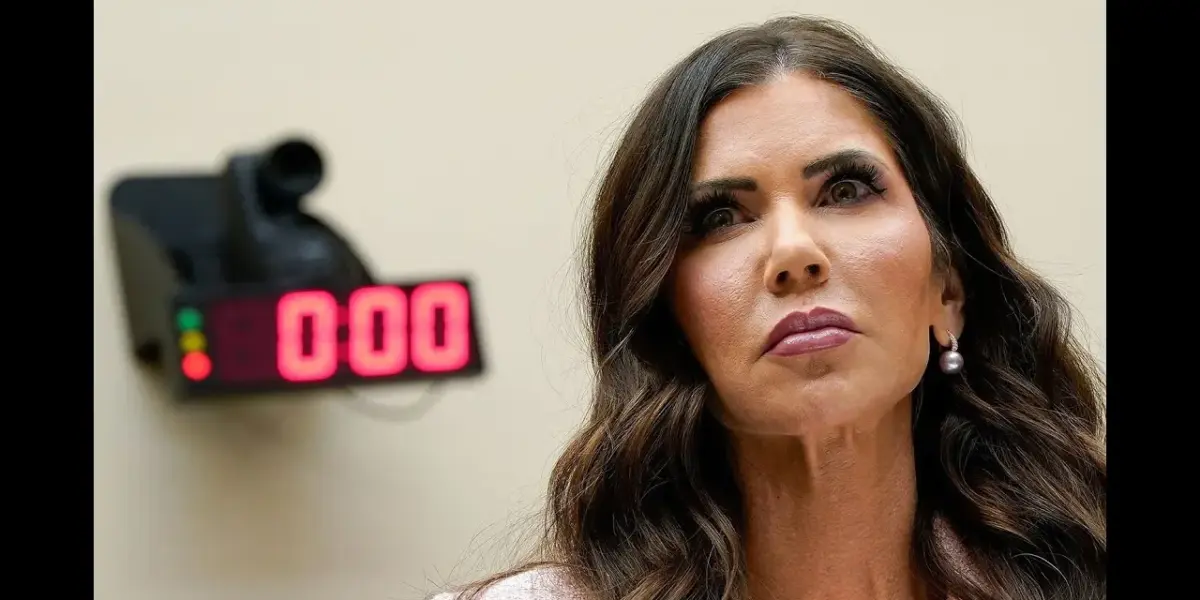
Trump’s Inner Circle: A Game of Thrones
In a political landscape often characterized by shifting alliances and calculated maneuvers, the recent ousting of Kirstjen Nielsen as Secretary of Homeland Security by Donald Trump offers a stark, if not entirely surprising, glimpse into the dynamics of power within the Trump administration. The narrative surrounding Nielsen’s departure, framed by both her perceived “humiliation” and Trump’s characteristic use of social media to announce personnel changes, underscores a recurring theme: loyalty, performance, and public perception are fluid currencies in the eyes of the President. This analysis digs into the factors contributing to Nielsen’s dismissal, the implications for future appointees, and the broader context of Trump’s leadership style.
The Cricket Incident and the “Shield of the Americas”
The departure of Kirstjen Nielsen has been met with a mixture of schadenfreude and critical observation. The video transcript highlights a particular moment of public mockery, referencing the infamous story of Nielsen allegedly telling her children their dog, Cricket, had been sent to a “special place,” a euphemism often used to soften the blow of a pet’s death. This anecdote, whether apocryphal or not, has been resurrected to draw parallels with Nielsen’s new, vaguely defined role as “Special Envoy for the Shield of the Americas.” The implication is clear: a demotion shrouded in bureaucratic jargon, much like the dog’s supposed relocation, serving as a thinly veiled dismissal.
The transcript contrasts Nielsen’s perceived failures with the supposed standards of the Trump administration. It posits that spending $170 million on jets, justifying the killing of civilians, and funneling DHS funds to a company with ties to a former spokesperson might, in the long run, lead to an “ultimate price.” This is a sarcastic jab at the administration’s own alleged tolerance for questionable practices while simultaneously highlighting the specific reasons for Nielsen’s exit: the controversial multi-million dollar DHS ad campaign and the subsequent cover-up.
The Ad Campaign and Orwellian Echoes
The $200 million DHS ad campaign, intended to promote homeland security, became a focal point of scrutiny. Senator John Kennedy’s questioning during a Senate hearing brought the exorbitant cost to light, and Nielsen’s claim that the President was involved was reportedly contradicted by Trump himself. This contradiction is significant, as it suggests Nielsen may have overstepped or misrepresented the President’s direct engagement, a cardinal sin in Trump’s orbit.
The transcript criticizes the campaign’s self-aggrandizing nature, featuring Nielsen herself, and contrasts it with more effective, albeit less glamorous, public service announcements. The mention of Nielsen quoting George Orwell – “People sleep peacefully in their beds at night only because rough men stand ready to do violence on their behalfs” – is framed as particularly ironic, a nod to a dystopian nightmare in the context of her administration’s actions.
Rumors of Affair and the “Tabloid Garbage”
Beyond the ad campaign, the transcript addresses persistent rumors of an extramarital affair between Nielsen and former Trump campaign manager Corey Lewandowski. While Nielsen has dismissed these as “tabloid garbage,” the transcript suggests that these rumors, coupled with her performance, may have played a role in Trump’s decision. This introduces a personal dimension to the political fallout, hinting at the President’s sensitivity to appearances and his willingness to act on gossip, even if it’s officially dismissed as unsubstantiated.
The Replacement: A Fighter or a Fighter of Words?
The appointment of Oklahoma Senator Markwayne Mullin as Nielsen’s successor is presented with a similar critical lens. Mullin’s background, particularly his claims of experiencing war, is questioned. The transcript points out that his official biography does not mention military service, but highlights his professional mixed martial arts record.
This is used to satirize his impassioned rhetoric about war and conflict, suggesting he may be more accustomed to the octagon than the battlefield. His confrontational style in Senate hearings, where he has been shown ready to engage in physical altercations, is also highlighted as a peculiar qualification for leading a department tasked with national security.
The Expendable Appointee: A Pattern of Behavior
The core argument presented is that Trump views his appointees as extensions of his own image and agenda. Figures like Pam Bondi, Kirstjen Nielsen, and Cash Patel are described as “appendages” whose primary function is to “make daddy look good.” When this function ceases or is perceived to falter, they become expendable.
The transcript draws parallels to other former Trump officials – Michael Cohen, Reince Priebus, Rex Tillerson, Kayleigh McEnany, and Mike Pence – all of whom, at various points, faced Trump’s ire or public denigration after falling out of favor. The message is consistent: loyalty to Trump is paramount, and even those who have “kissed Trump’s ring” are not immune to his wrath if they fail to meet his ever-shifting expectations.
Why This Matters
The ousting of Kirstjen Nielsen and the subsequent appointment of Markwayne Mullin are not isolated incidents but rather symptomatic of a broader pattern within the Trump administration. This pattern is characterized by a transactional approach to leadership, where loyalty and perceived effectiveness are paramount, and personal relationships and public image often supersede substantive policy or experience. The constant churn of personnel, the public airing of grievances, and the emphasis on a leader’s personal brand create an environment of instability and uncertainty for government agencies.
Implications, Trends, and Future Outlook
For future appointees, the message is clear: unwavering loyalty to Donald Trump and a willingness to align oneself with his personal narrative are crucial for survival. Performance metrics are likely to be secondary to public displays of fealty and the avoidance of any action or statement that could be perceived as critical or embarrassing to the President.
This trend could lead to a less experienced, less qualified, but more ideologically aligned cohort of officials, potentially impacting the effectiveness and professionalism of government agencies. The reliance on social media for major personnel announcements further normalizes a less formal, more impulsive approach to governance, which can undermine institutional stability and public trust.
Historical Context
While presidential administrations have always experienced turnover, the Trump administration’s style of personnel management has been notably distinct. It has often involved public criticism, swift dismissals announced via social media, and a perceived disregard for traditional norms of decorum and process.
This approach can be seen as a deliberate strategy to project an image of strength and decisiveness, but it also risks alienating experienced professionals and fostering an environment where fear and sycophancy outweigh competence and integrity. The reliance on individuals with strong personal brands or perceived “fighter” mentalities, as exemplified by the focus on Mullin’s MMA background, suggests a preference for personality over policy expertise.
Conclusion
Kirstjen Nielsen’s departure from DHS is more than just a personnel change; it’s a case study in the volatile nature of power within the Trump administration. Her “humiliation” is a cautionary tale for anyone who enters Trump’s orbit, highlighting the expendability of even those who appear to be loyalists. As the administration continues, the pattern of swift dismissals and replacements, often accompanied by public drama, is likely to persist, shaping the future of governance under a leadership style that prioritizes personal loyalty and public perception above all else.
Source: Kristi Noem gets ANOTHER humiliation after firing | Another Day (YouTube)

Related Articles

Trump’s Cryptic Posts Signal Deep Personal Struggles
Donald Trump's recent surge in cryptic and repetitive social media posts, including a video of Frank Sinatra singing "My Way," has sparked widespread concern. Analysts suggest these actions signal a struggle with mortality and a disconnect from reality, raising questions about his fitness for office.

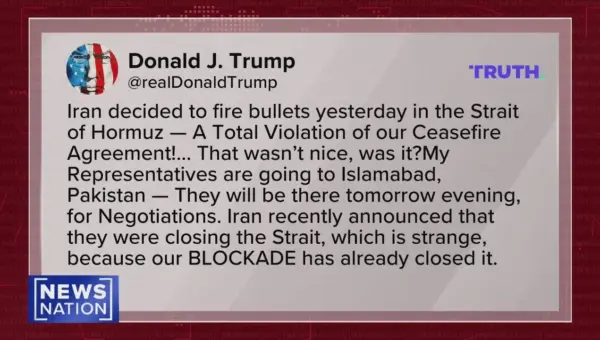
Trump Claims Iran Violated Ceasefire in Hormuz Strait
President Trump accused Iran of violating a ceasefire by firing on ships in the Strait of Hormuz. Conflicting reports and "media warfare" from both sides create confusion. The situation impacts global oil prices and highlights the ongoing diplomatic challenges.
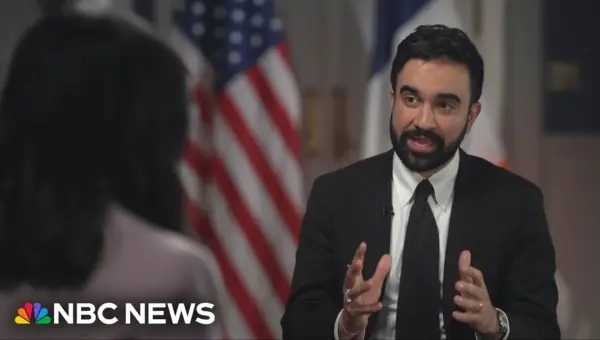
Mayor Mamdani Delivers on Promises, Tackles Budget Woes
Mayor Zohran Mamdani outlined progress on his campaign promises, including universal childcare and faster buses, during his first 100 days. He is addressing a $5.4 billion budget shortfall through progressive taxation and plans for city-run grocery stores. Mamdani also discussed his productive relationship with President Trump and his commitment to New York City.