US Sub Torpedoes Iranian Warship in Historic First Since WWII
A US submarine has torpedoed an Iranian warship in the Indian Ocean, the first such attack since WWII, signaling a dramatic expansion of the conflict. The strike highlights Iran's degraded naval and air capabilities and the US intent to project power globally.

US Sub Torpedoes Iranian Warship in Historic First Since WWII
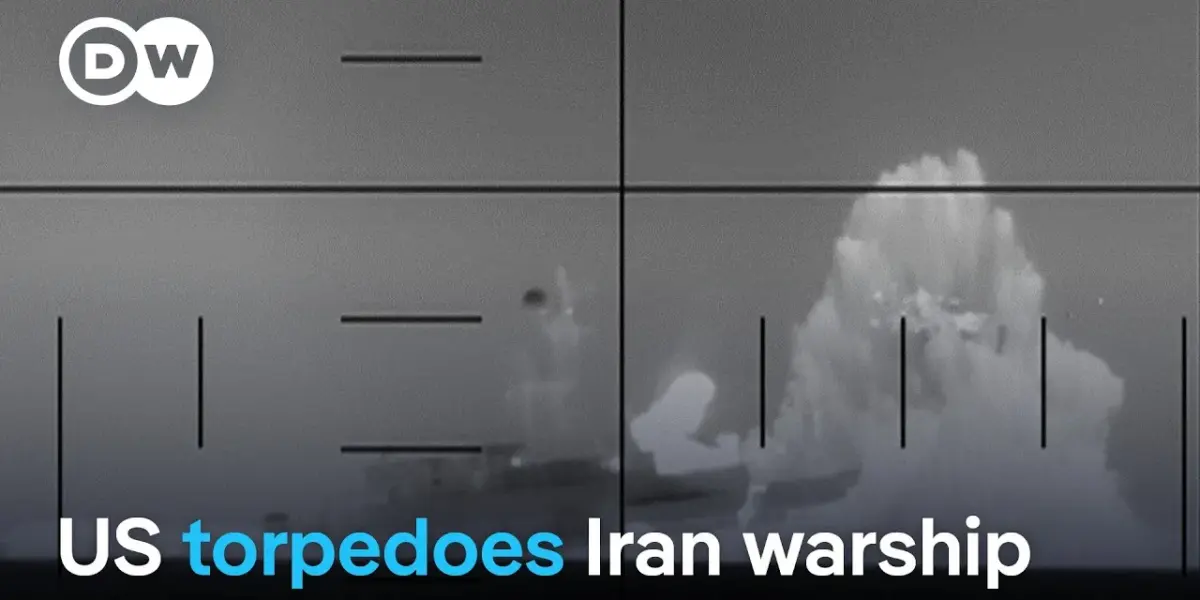
In a significant escalation of ongoing hostilities, a United States submarine has torpedoed an Iranian naval vessel in international waters, marking the first such attack by a US submersible on an enemy ship since World War II. The strike, which occurred off the coast of Sri Lanka in the Indian Ocean, highlights the expanding reach of the conflict beyond the Middle East and signals a new phase in the confrontation between the US and Iran.
The Attack and Its Immediate Aftermath
The target was the Iris Dena, an Iranian warship reportedly returning from a naval parade in India. The US military released footage of the torpedo attack, confirming the strike.
While approximately 30 individuals have been rescued, initial reports indicate that around 150 others on board are feared dead or missing. The incident represents the first time the war has demonstrably spread to the Indian Ocean, a region thousands of kilometers from Iran’s traditional sphere of influence.
“The US is sending a message to Iran that its military forces will be at risk wherever they are globally. That the United States is intent on eliminating the threat to the Gulf of the streets of Vermuse and that it would engage globally.”
Mark Canian, retired Colonel and Senior Adviser, Center for Strategic and International Studies
Strategic Implications and US Messaging
Retired Colonel Mark Canian, a senior adviser at the Center for Strategic and International Studies, explained the strategic rationale behind the US action. He stated that the US government considers itself in conflict with Iran and views military action against the Iranian navy as part of that effort, particularly in light of Iranian threats to close the Strait of Hormuz. Canian emphasized that the decision to strike the Iris Dena was made in Washington, not by a commander on the scene, suggesting a deliberate, high-level strategy to project US power.
The attack is a clear message to Iran that its naval assets are vulnerable anywhere in the world. “There’s no question they’re sending a message that there’s no place safe for Iranian naval vessels,” Canian noted. The US administration has affirmed its commitment to taking necessary actions to protect its interests, making this aggressive posture unsurprising for the current leadership.
Iran’s Naval and Air Capabilities Degraded
According to Canian, the Iranian navy is largely considered a spent force in terms of its large warships, most of which are believed to be destroyed or sunk. However, Iran has maintained a large fleet of smaller vessels, potentially intended for mining operations in the Strait of Hormuz. The US anticipates sweeping up these remaining assets.
Similarly, Iran’s air defense capabilities have been severely degraded. Following significant damage during a previous conflict and subsequent efforts by the US and Israel to suppress them, Iran’s air defenses are described as having “not much left.” The US has demonstrated air superiority by flying large, vulnerable aircraft like B-52s and MQ9 Reapers over Iranian airspace.
Wider Conflict and Iranian Resilience
Despite its degraded military posture, Iran continues to fire missiles at its neighbors, including Israel and, Turkey. The targeting of Turkish airspace, a NATO member, represents a significant escalation, although the missile was reportedly intercepted by NATO air defenses and its intent remains unclear – whether it was a warning, a mistake, or the beginning of a series of attacks.
Regarding Iran’s ability to sustain the conflict, Canian pointed to a significant reduction in its missile inventory, with launches down by an estimated 75% according to the Pentagon. However, he cautioned that the regime’s endurance depends on its ability to withstand punishment, as air campaigns historically have not been successful in overthrowing regimes but can influence policy changes.
US Defense Secretary’s Rhetoric
US Defense Secretary Pete Hegse has adopted a highly assertive and often controversial tone. He described the combined US and Israeli military efforts as resulting in “sheer destruction for our radical Islamist Iranian adversaries,” declaring that “They are toast.” While military analysts acknowledge the impressive accomplishments of the US and Israeli forces in establishing air dominance rapidly, there’s a divergence in how Hegse’s rhetoric is perceived. “The commentators, experts really don’t like Hegse at all.
This extreme rhetoric they find distasteful. On the other hand, if you go out to the troops, many of them find this very attractive,” Canian observed, highlighting a disconnect between expert opinion and the sentiment among frontline soldiers.
No US Boots on the Ground
Despite the aggressive military actions and rhetoric, US officials have been adamant that there are no plans for US ground forces to enter Iranian territory. Canian confirmed that there are no US ground forces in the theater, nor are any en route, and that the administration’s strategy explicitly avoids foreign wars involving boots on the ground.
Potential Kurdish Offensive
A recent report, denied by both Kurdish and Iranian authorities, suggests that thousands of Iraqi Kurds may have launched a ground offensive inside Iran. If true, this would add another layer of complexity to the conflict, potentially exploiting the chaos and challenging the Iranian government’s ground forces. Such a move would require significant deployment of Iranian military resources and could draw further international attention.
Looking Ahead
As the conflict unfolds, attention remains focused on Iran’s internal stability, its capacity to retaliate, and the broader geopolitical implications of this widening war. The US has demonstrated a clear and aggressive strategy to neutralize Iranian threats globally, but whether these military successes will translate into a lasting political resolution remains a critical question.
Source: US sub torpedoes enemy vessel for first time since WW2 | DW News (YouTube)

Related Articles

Iran Hides Missiles as War Clouds Gather
As a ceasefire nears its end, Iran is reportedly moving its ballistic missiles to hidden locations, signaling potential preparations for renewed conflict. The U.S. military stands ready to resume bombing campaigns if necessary, while diplomatic efforts face uncertainty with Iran's response to peace talks still pending. China's alleged involvement in supplying missile parts adds another layer of complexity to the volatile situation.

US Navy Seizes Sanctioned Oil Ship in Indian Ocean
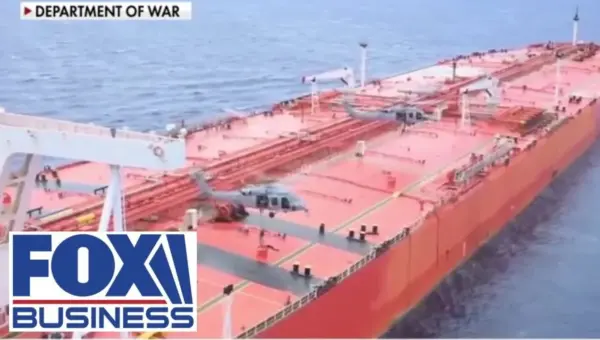
The U.S. Navy seized a sanctioned oil tanker carrying 1.9 million barrels of crude in the Indian Ocean, adding tension to global oil markets. This occurs as a U.S.-Iran cease-fire is set to expire, keeping traders on edge.
US Navy Seizes Illicit Oil Cargo at Sea
U.S. forces boarded a sanctioned oil tanker in the Indian Ocean, seizing cargo smuggled from Iran. This action underscores the ongoing efforts to enforce international sanctions and disrupt illicit financial networks operating through vital shipping lanes. The operation highlights the complex challenges and strategies involved in maritime interdiction.