Michigan Residents Divided on Iran Conflict, Economy Concerns Rise
Michigan residents are divided over the conflict with Iran, with concerns about war justification and economic impacts like rising gas prices surfacing. Some voters express disillusionment with President Trump's foreign policy, potentially influencing their upcoming midterm choices.

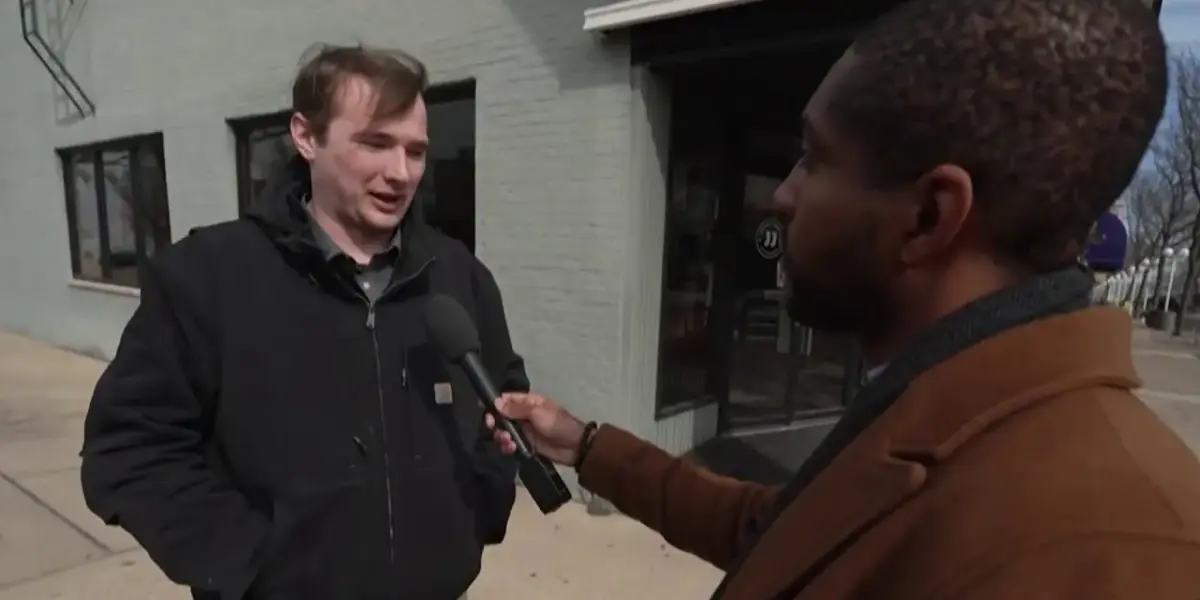
Michigan Residents Express Mixed Feelings on Iran War Amid Economic Worries
In the heart of Berrien County, Michigan, a key political battleground, residents are grappling with the escalating conflict with Iran, thousands of miles away. The sentiment on the ground reveals a deep division, with many questioning the necessity and justification of the war, while others express support for the president’s actions amidst a perceived dangerous global landscape. The ongoing hostilities, which have dominated headlines, are also beginning to ripple through the local economy, raising concerns about rising costs.
Deep Divisions Emerge Over War’s Justification
Public opinion in Berrien County, a region that voted for President Trump with 53% of the vote in the last election, is far from uniform regarding the recent military actions in Iran. While some residents firmly back the president’s decisions, others voice strong opposition. “It’s pathetic.
It’s not our war,” declared one individual, reflecting a sentiment of detachment and disapproval. Another resident articulated a more principled objection, stating, “I can’t say I support an unjust war with no Congressional approval.”
Conversely, support for the administration’s stance was also evident. “I think it’s something that needed to be done.
We live in a very dangerous, dangerous world,” stated a resident who aligns with the president’s policies. This perspective was echoed by a self-proclaimed Trump voter who affirmed, “I’m in favor of anything the President does.”
Concerns Over Presidential Promises and Casualties
However, the conflict has also created dissonance among some Republican voters who feel the current actions contradict President Trump’s past promises. Vincent Timothy, an artist from the county, expressed his disillusionment: “He said he was going to try to get out of wars, but he’s putting us in it and he’s not putting himself in it. He’s putting other people that we’ve already lost casualties.” The human cost of the conflict weighs heavily on the minds of many, with one resident lamenting, “I mean, I just hate seeing anybody get hurt.” This sentiment highlights a broader unease about the potential loss of American lives in a conflict many feel is not directly theirs.
Economic Repercussions Felt Locally
Beyond the geopolitical and human toll, the war’s impact on the U.S. economy is a growing concern for Michigan residents. Fluctuations in gas prices have become a tangible indicator of the conflict’s reach. “I filled up my wife’s car yesterday and paid $3.31 a gallon, almost $0.50 more than it was a week ago,” shared one resident, emphasizing the immediate financial consequences.
The unpredictability of the market in times of international crisis was also noted: “You kind of expect it when things go haywire. You know, it’s a roller coaster. Things go up and down.” This economic anxiety adds another layer to the complex feelings surrounding the war.
Impact on Upcoming Midterm Elections
As midterm primaries are already underway in various parts of the country, the war’s influence on voter behavior in this crucial swing state and others remains a significant question. For some voters, the conflict is a deciding factor in their electoral choices.
One resident, describing themselves as a “middle of the road Republican” who previously voted for Trump, stated that their vote in November would be influenced by how closely candidates’ views align with their own observations of the situation. “Those that most match what I’m hearing out of Washington and out of Trump are the people that I will not vote for,” they declared, signaling a potential shift in political allegiance based on foreign policy decisions.
Information Gaps and Public Awareness
Despite the war dominating international headlines for several days, a notable portion of the population appears to be less informed or engaged. Roughly a third of the individuals interviewed in Berrien County admitted to either not being aware of the recent strikes in Iran or not following the developments closely. This suggests a gap in public awareness or a deliberate choice by some to tune out from the ongoing crisis, perhaps due to feelings of powerlessness or a focus on more immediate local concerns.
Looking Ahead
The coming weeks and months will be critical in observing how these divided sentiments in Michigan and other battleground states translate into political action. The interplay between foreign policy decisions, economic stability, and voter priorities will undoubtedly shape the electoral landscape as the nation navigates this complex geopolitical period.
Source: People in Michigan react to war with Iran (YouTube)

Related Articles

Trump Faces Steep Losses: Analyst Calls It ‘Worst Losing Streak’
Political analysts are questioning Republican optimism for upcoming elections, citing historical trends and current economic challenges. High gas prices and voter dissatisfaction with Donald Trump's economic leadership are creating significant hurdles for the party. Cracks are appearing in Trump's core coalition, with potential losses among key demographic groups and internal dissent over controversial stances.

Mayor Slams Iran War Costs, Cites Tupac’s Plea for the Poor
New York City's mayor has sharply criticized the economic fallout from the Iran conflict, stating it worsens an existing cost of living crisis. He echoed Tupac Shakur's plea, "We always have money for war and not to feed the poor," questioning billions spent overseas while domestic needs go unmet. The mayor is exploring relief measures for New Yorkers facing high energy costs due to the war.

Trump’s Policies Face Scrutiny Amid Global Turmoil
Recent events highlight significant challenges and criticisms surrounding Donald Trump's foreign policy and domestic economic views. From clashes with international figures to domestic economic concerns, a closer look reveals a complex picture. The transcript details a series of events and statements that raise questions about the effectiveness and logic of his administration's actions.