US Escalates Iran Conflict: Sub Sinks Warship, New Fronts Emerge
The U.S. military is expanding its campaign into Iran, marked by a historic submarine torpedo strike on an Iranian warship. As new fronts emerge in Turkey and Lebanon, the conflict's geographical scope widens, raising global security concerns.


US Military Expands Campaign Deep Into Iran Amidst Escalating Tensions
In a significant escalation of the ongoing conflict, top Pentagon officials have announced that the U.S. military is expanding its campaign deeper into Iran. This move follows a historic attack that has pushed the war into a new and dangerous front. Dramatic video released by the Pentagon shows a U.S. Submarine sinking an Iranian warship with a torpedo, marking the first time such a direct naval attack has been launched by the U.S. Since World War II.
Naval Power Unleashed: Submarine Attack and Broader Naval Operations
The extraordinary footage captures the moment an Iranian naval vessel is destroyed by a torpedo. U.S. Central Command reports that more than 20 Iranian ships have been sunk as part of the expanded operation.
The U.S. Navy maintains a formidable presence in the region, with two aircraft carrier battle groups, and France has also dispatched its sole aircraft carrier to strengthen naval power. This buildup is aimed at ensuring the free flow of oil and gas through the Strait of Hormuz, which Iran has previously threatened to close.
However, even with this overwhelming naval force, ships remain vulnerable to mines and sea drones, as demonstrated by Ukraine’s success against the Russian navy in the Black Sea. While many of Iran’s major vessels have reportedly been neutralized, the U.S. Naval forces involved in the operation face unique risks.
New Fronts Emerge: Turkey and Lebanon Draw into Conflict
The conflict’s expansion is not limited to naval engagements. New fears are emerging of additional fronts developing, including in Turkey, where the defense ministry reported an Iranian missile being shot down by NATO forces. Turkey has called on regional countries to de-escalate the spread of the conflict.
Meanwhile, in Lebanon, Israeli ground forces are expanding their operations, ordering the evacuation of approximately 10% of Lebanese territory north of the Litani River. This widening geographical scope of the war is a growing concern.
Humanitarian Toll and U.S. Military Readiness
The human cost of the conflict is also mounting. The Iranian Red Crescent reports that over 900 people, including children, have died in an elementary school strike, though responsibility for this attack remains unclear. Stark satellite imagery shows the devastating impact of the strike, with emotional memorials emerging at the site.
On the U.S. Side, the military’s capacity and readiness are under scrutiny. Defense Secretary has warned that the “big wave” of conflict has not yet arrived, stating, “We are accelerating, not decelerating.” In response to the escalating demands, President Trump is scheduled to meet with executives from defense contractors later this week. The President himself acknowledged the increased military activity, stating, “We rebuilt our military during the first term, and we’re using it a little bit more than I thought we would have to.”
Diplomatic and Political Maneuvers
The U.S. is also engaged in efforts to extract its citizens from the region. Thousands have already been evacuated, with reunions taking place in Australia, Taiwan, India, and Spain.
However, the State Department remains in contact with thousands more who still need assistance. Reports from Dubai indicate that extracting individuals is becoming increasingly difficult and expensive, with limited government support being offered.
Politically, lawmakers in Washington are voting on a bill that would require President Trump to seek congressional approval before launching future strikes against Iran, underscoring ongoing debates about the balance of power between the executive and legislative branches in matters of war. The potential for a supplemental funding request for the operation also presents a critical test for Congress’s oversight role.
Broader Implications and Future Outlook
The conflict’s rapid expansion into new territories and the increasing involvement of international actors suggest a volatile and unpredictable future. The U.S. military’s strategic decisions, Iran’s escalating defensive measures, and the diplomatic efforts to manage the crisis will be critical to watch in the coming days and weeks. The potential for further escalation and the impact on global stability remain significant concerns.
Source: Hallie Jackson NOW – March 3 | NBC News NOW (YouTube)

Related Articles

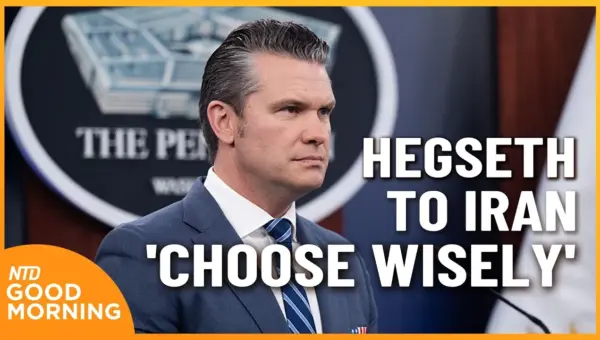
US Navy Blockade Cripples Iran’s Trade, Shifts Global Power
The U.S. Navy's blockade of Iranian ports is crippling the nation's economy and trade, with significant ripple effects on China. This aggressive economic pressure aims to isolate Iran financially, while domestic debates in the U.S. focus on balancing national security with citizen privacy.
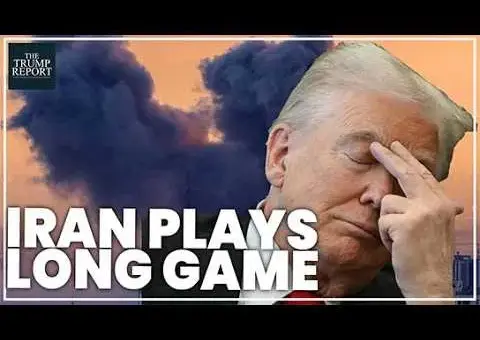
Iran’s War Strategy Outlasts US Patience
Iran's strategy of prolonging conflict to outlast US patience is a key factor in current Middle East tensions. While President Trump seeks an end, Iran aims to inflict economic pain. This analysis explores the military warnings, political fallout, and economic vulnerabilities shaping the standoff.

China’s Global Reach Faces Sanctions Threat
The U.S. is imposing potential secondary sanctions on Chinese banks dealing with Iran's oil revenue, signaling a tougher stance on international financial flows. This move is part of broader concerns over China's global economic and political influence, including its technological acquisition and alleged influence operations within the U.S.