Deception and Desperation: How False Narratives Fueled Regional Conflict
Allegations of a fabricated Kurdish invasion into Iran reveal a pattern of deception and desperation in the current geopolitical conflict. The analysis explores the purported motivations, the dangerous escalation of hostilities, and the erosion of trust in international relations.

Deception and Desperation: How False Narratives Fueled Regional Conflict
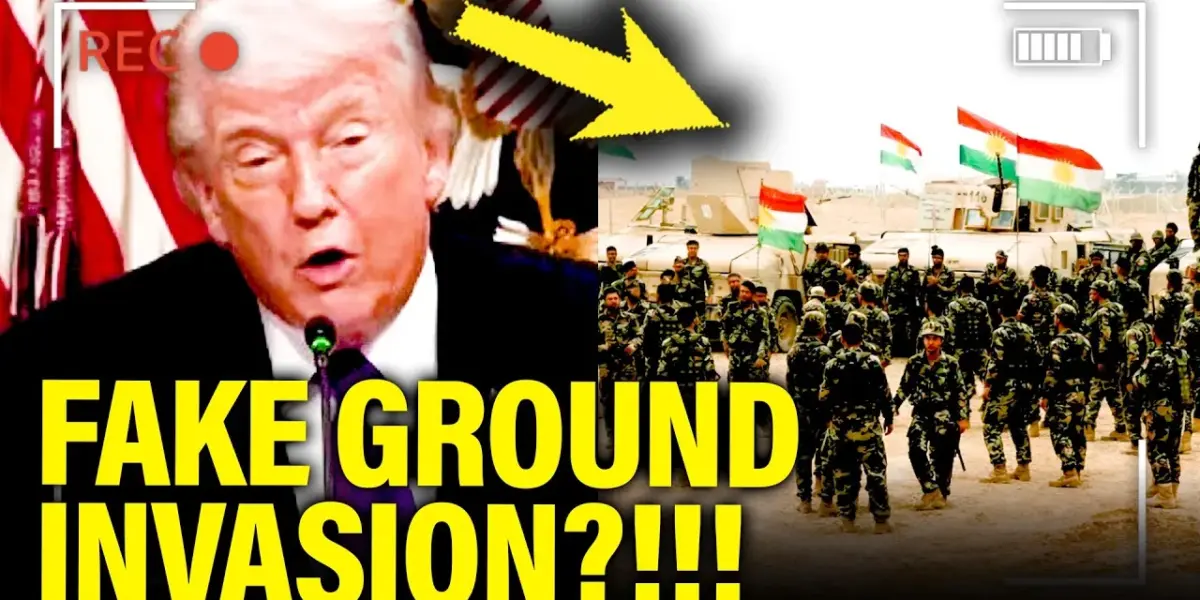
In a rapidly escalating geopolitical landscape, the narrative surrounding the conflict in Iran has become a tangled web of misinformation and alleged desperation. Recent reports suggest a concerted effort by the Trump administration and its Israeli counterparts to disseminate a fabricated story about a Kurdish ground invasion into Iran. This tactic, purportedly aimed at provoking Iranian forces and potentially initiating a broader conflict, has drawn sharp criticism and raised serious questions about the motives and effectiveness of such strategies.
The Fabricated Ground Invasion
The core of the controversy lies in claims, widely reported by outlets like Fox News and Axios, citing unnamed US and Israeli officials, that thousands of Iraqi Kurds had launched a ground offensive in Iran. These reports were amplified by figures such as Jennifer Griffin of Fox News, who, despite a generally strong reputation for accuracy, appears to have been misled. Israeli officials, including those speaking to N12 and Barack Ravid of Axios, corroborated these claims, suggesting active engagement between Kurdish forces and the Iranian military in northwestern Iran.
However, these assertions were vehemently denied by the deputy chief of staff to the prime minister of Iraqi Kurdistan, Aziz Ahmad. Ahmad stated unequivocally that not a single Iraqi Kurd had crossed the border, labeling the reports as “patently false.” This stark contradiction exposes a significant gap between official leaks and on-the-ground reality. The Kurdistan Democratic Party (KDP), a major political force in the region, also issued a statement reiterating that Kurdish forces would not be part of any conflict and would remain a factor of calm, supporting diplomatic solutions.
Motivations Behind the Deception
The analysis suggests a calculated strategy, albeit one fraught with risk. The alleged goal was to pressure or coerce the Kurds into initiating an invasion, thereby creating a pretext for further US and Israeli intervention.
This tactic is seen by critics as a sign of desperation, particularly if the anticipated popular uprising within Iran did not materialize as expected. The transcript points to a history of perceived betrayal of Kurdish interests by the Trump administration, including past actions in Syria, suggesting a pattern of using and then abandoning Kurdish allies.
The narrative posits that by leaking false information about a Kurdish invasion, the Trump and Netanyahu regimes intended to draw Iranian forces to the border, creating an opportunity for US and Israeli forces to attack them. This complex, multi-layered plan is characterized as a desperate gamble, akin to the business tactics that allegedly led to the bankruptcy of Trump’s casino ventures.
Escalation and Shifting Justifications
The conflict, whether intentional or not, has expanded significantly, with the United States and Israel reportedly conducting extensive bombing campaigns against Iran, described as far surpassing the scale of the “shock and awe” operations in Iraq. Simultaneously, Iran has retaliated with strikes against targets in Cyprus, Israel, Jordan, Iraq, Bahrain, Oman, Turkey, Kuwait, the UAE, Qatar, and Saudi Arabia. The involvement of Turkey, a NATO member, raises the specter of Article 5 being invoked, potentially drawing the entire alliance into a wider war.
The justifications for US involvement have also shifted. Initially framed as a response to imminent threats, the narrative has evolved. Donald Trump himself is quoted stating the actions were taken because “they would have done it to Israel.” Later, the administration’s spokesperson, Caroline Levit, described the conflict as “Operation Epic Fury,” a “resounding success” based on the president’s “feeling” that Iran was about to strike US assets.
Propaganda and Accountability
The use of propaganda and the denial of inconvenient truths are highlighted as central to the administration’s approach. When questioned about reports of a US-Israeli airstrike hitting a girls’ elementary school and killing 175 people, Caroline Levit dismissed them as “fake news,” despite intelligence suggesting otherwise. The Department of War’s investigation was cited, but the response was characterized as evasive and dismissive of civilian casualties, contrasting sharply with accusations leveled against the Iranian regime.
Another instance of alleged deception involves Spain. Caroline Levit claimed that Spain agreed to cooperate militarily after Trump threatened an embargo, a statement directly contradicted by the Spanish government, which denied any such military cooperation. This pattern of misinformation is presented as a consistent feature of the administration’s communication strategy.
Resource Depletion and Abandonment
The transcript also touches upon the strain on US military resources, with reports indicating a rapid depletion of precision munitions, potentially leaving the US military days away from prioritizing targets. This logistical challenge is compounded by a perceived abandonment of US citizens and allies.
Americans stranded in the Middle East were reportedly told by a State Department hotline, which Marco Rubio advised them to call, that they should not rely on the US government for assistance with departure or evacuation. This stands in stark contrast to the historical role of the State Department and has led to comparisons with previous administrations, which, regardless of party, are said to have never seen a situation so dire that they would advise citizens to rely solely on themselves in a warzone.
Why This Matters
The allegations of deliberate misinformation and the manipulation of international relations for strategic gain are profoundly concerning. The use of false narratives to justify or escalate military action erodes trust, endangers civilian populations, and risks unpredictable geopolitical consequences.
The alleged pattern of leveraging vulnerable groups, such as the Kurds, and then disavowing responsibility highlights a cynical approach to foreign policy. The claims of resource depletion and the abandonment of citizens in a conflict zone highlight the potential for a severe miscalculation with far-reaching implications for regional stability and US credibility on the global stage.
Implications and Future Outlook
The situation suggests a dangerous precedent where fabricated intelligence and propaganda could become standard tools of statecraft. The potential for a wider regional conflict, possibly involving NATO, is a grave concern. The reliance on personal “feelings” and the dismissal of credible reporting in favor of a predetermined narrative indicate a breakdown in objective decision-making processes.
The future outlook hinges on the ability of international bodies and independent media to hold powerful actors accountable, counter misinformation, and de-escalate tensions before they spiral further out of control. The transcript implies that this situation is a symptom of a broader pattern of deception and desperation, signaling a volatile period ahead in international affairs.
Historical Context
The use of propaganda and disinformation in international conflicts is not new. Throughout history, nations have employed various forms of deception to shape public opinion, justify military actions, and gain strategic advantages. The Cold War era, for instance, saw extensive use of psychological warfare and covert operations by both superpowers.
In the context of the Middle East, the region has frequently been a theater for proxy conflicts and information warfare, with external powers often influencing local dynamics. The specific mention of the Kurds, a stateless ethnic group with a long history of seeking self-determination and often caught in the crossfire of regional power struggles, adds a layer of historical complexity. Their repeated experiences of being utilized and subsequently marginalized by various international actors highlight the gravity of the accusations leveled in the transcript.
Source: 🚨Trump PANICS as FAKE GROUND INVASION EXPOSED!! (YouTube)

Related Articles
Trump Official Faces Scrutiny Over War Crime Allegations
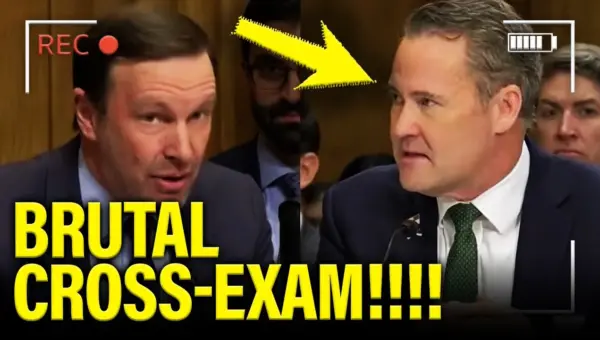
Democrats in the Senate questioned Ambassador Mike Waltz about alleged war crimes during the Trump administration, focusing on statements regarding Iran and historical international law. Waltz defended the administration's actions, citing historical precedents and diplomatic outcomes.


Trump Eyes Iran Deal; Software Stocks Draw Investor Interest
Former President Donald Trump announced potential progress on an Iran deal and ceasefire talks, while the tech market shows signs of cooling after a strong rally. Investor Michael Bur's recent acquisitions in software stocks like Adobe and Salesforce are also drawing attention.


Ukraine Strikes Deep: Russia Reels From Drone Attacks
Ukrainian drones have successfully struck Russian port facilities deep within Russia, highlighting air defense vulnerabilities and causing panic on Russian state television. The attacks aim to disrupt Russia's war economy, while Moscow struggles with internal internet restrictions and continues its propaganda efforts.