Media’s True Crime Blunders Exposed: Victims Silenced!
The media's coverage of true crime cases has often failed victims, turning real tragedies into spectacles. From the vilification of the Central Park Five to the sensationalism of the Casey Anthony trial, this article exposes how narratives can harm those who mattered most.

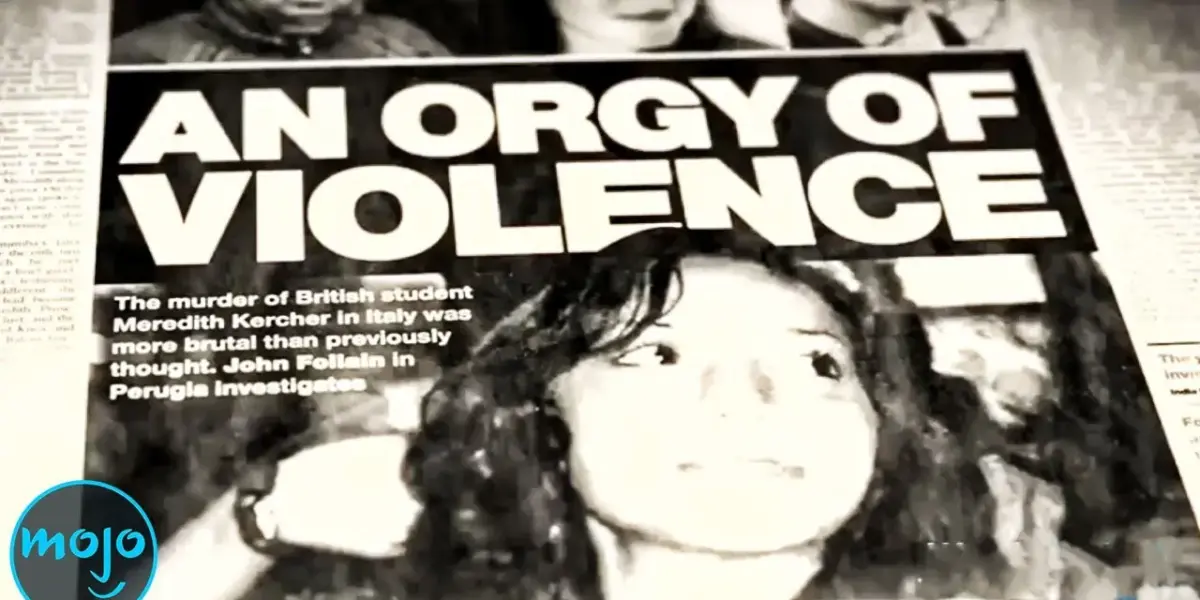
Media’s True Crime Blunders Exposed: Victims Silenced!
The glare of the spotlight can be a powerful tool, but when it comes to true crime, the media’s beam has too often burned the very victims it purports to illuminate. From sensationalizing tragedies to vilifying the accused, the narrative control wielded by news outlets has frequently gone disastrously awry, leaving real people forgotten, exploited, or worse. This retrospective digs into the most shocking instances where media coverage not only failed true crime victims but actively harmed their legacies and the pursuit of justice.
The Central Park Five: A Media-Fueled Frenzy
One of the most egregious examples of media malpractice is the case of the Central Park Five. In 1989, after a brutal assault in New York City’s Central Park, five Black and Latino teenagers were wrongly convicted. The media at the time, fueled by public outrage and a desire for a quick resolution, painted the young men as monsters.
Headlines screamed, and televised reports often presented them as guilty before any trial. This intense media pressure contributed significantly to a climate of fear and prejudice, ultimately leading to their wrongful convictions.
Years later, when DNA evidence exonerated them, the media’s initial condemnation had already inflicted irreparable damage on their lives and reputations. The narrative had been set, and the truth struggled to break through the din.
JonBenét Ramsey: The Unceasing Spectacle
The tragic murder of six-year-old JonBenét Ramsey in 1996 became a media circus of unprecedented proportions. The constant, invasive coverage focused on the sensational aspects of the case – the child beauty queen, the ransom note, the wealthy family – often overshadowing the investigation and the victim herself.
Tabloids and news programs alike feasted on speculation, turning a grieving family into public spectacles and dissecting every detail with a morbid fascination. This relentless media attention not only complicated the investigation by potentially contaminating evidence and influencing witnesses but also inflicted profound psychological distress on those closest to JonBenét, all while the killer remained at large.
Ted Bundy: The Charm Offensive
In a disturbing twist, the media’s portrayal of serial killer Ted Bundy often focused on his perceived attractiveness and charisma, a phenomenon that has been termed the “Bundy fascination.” Despite the horrific nature of his crimes – the brutal murders of dozens of young women – many media outlets, particularly in the 1970s and early 80s, highlighted his good looks and seemingly normal exterior. This focus on his superficial qualities inadvertently humanized him in the eyes of some, creating a dangerous disconnect between the charming façade and the monstrous reality. The victims, meanwhile, were often reduced to statistics, their stories overshadowed by the media’s infatuation with the killer’s persona.
Casey Anthony: Trial by Media
The Casey Anthony trial in 2011, stemming from the death of her two-year-old daughter Caylee, was a clear reminder of the media’s power to sway public opinion. While Anthony was ultimately acquitted of murder charges, the media coverage leading up to and during the trial painted a damning picture. Many outlets presented her as guilty, focusing on sensational details and often ignoring legal due process.
The relentless speculation and public outcry created an intense pressure cooker environment, leading many to believe the verdict was a miscarriage of justice, even though the prosecution failed to provide sufficient evidence for a murder conviction. This case highlighted how media narratives can create a public perception of guilt that can be difficult to overcome, regardless of legal outcomes.
Nancy Grace and Melinda Duckett: A Devastating Interview
The tragic case of Susan Smith, who murdered her three young sons, was further compounded by the media’s handling of interviews. A particularly devastating instance involved Nancy Grace’s interview with Melinda Duckett, the mother of missing toddler Caylee Anthony. Grace, known for her aggressive interviewing style, confronted Duckett with graphic details and accusations, allegedly causing Duckett immense distress.
Tragically, Duckett died by suicide shortly after the interview. While the direct causal link is debated, the intense scrutiny and confrontational approach by a prominent media figure undoubtedly added to the immense pressure and trauma Duckett was experiencing, serving as a chilling example of the potential harm caused by sensationalized media coverage of grieving families.
The Broader Impact: Romanticization and Victim Blaming
Beyond these specific cases, the media’s approach to true crime often falls into broader problematic patterns. There’s the tendency to romanticize killers, turning them into anti-heroes or figures of morbid fascination, as seen with Bundy and, more recently, Jeffrey Dahmer. This focus on the perpetrator can diminish the gravity of their actions and the suffering of their victims.
Conversely, victims themselves are frequently subjected to victim-blaming, with their pasts, choices, and even their appearance scrutinized to find fault, as if to justify the horrific events they endured. This pattern was evident in cases like Amanda Knox and, in a different context, the initial coverage of Gabby Petito, where questions about her relationship dynamics sometimes overshadowed the core tragedy of her death.
The Path Forward: Responsibility and Respect
The media plays a key role in informing the public and holding perpetrators accountable. However, the cases highlighted above serve as potent reminders of the ethical responsibilities that come with covering true crime. The pursuit of ratings and clicks should never come at the expense of victim dignity, privacy, or the integrity of the justice system.
Moving forward, a greater emphasis on factual reporting, respectful portrayal of victims and their families, and a critical examination of the sensationalist tendencies within true crime media are essential. The stories of those who have suffered deserve to be told with accuracy, empathy, and a profound respect for their humanity, ensuring that tragedies are not reduced to mere entertainment.
Source: 10 Shocking Times the Media FAILED True Crime Victims (YouTube)

Related Articles

Stranger’s Quick Aid Saves Tourist’s Life in Toronto
A tourist couple's vacation took a terrifying turn when the husband suffered a severe neck injury on a Toronto street. Two strangers, including actor John Malkovich, provided immediate aid. Their quick actions were credited with saving the man's life.

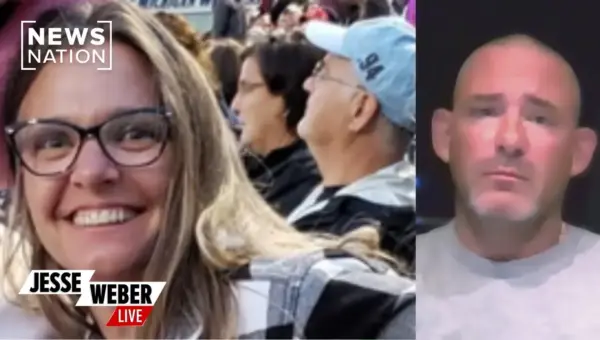
Missing Mom Case: Friend Demands Answers from Husband
Friends of missing mom Lynette Hooker are questioning her husband Brian's actions after he left the Bahamas while the search for her continues. Despite claims of focusing on finding her, Brian's departure and lack of information sharing have raised serious concerns among those close to Lynette.

Doctor Sees Grim Reaper, Then Dies of Cancer
In 1974, Dr. Julian Kirschner reported seeing a figure resembling the Grim Reaper in his backyard. Weeks later, he was diagnosed with incurable blood cancer and soon passed away. His story raises chilling questions about life, death, and unexplained encounters.