US Escalates Iran Conflict Amidst Voter Skepticism
The U.S. has escalated military operations in Iran, facing growing domestic skepticism according to new NBC News polling. While the administration defends its actions, citing national security threats, a majority of voters disapprove of the President's handling of the crisis. Efforts to evacuate Americans and congressional oversight of the conflict are also in focus.


US Intensifies Military Operations in Iran, Faces Domestic Doubt
Washington D.C. – The United States has significantly escalated its military operations against Iran, a move that has ignited a fierce debate both domestically and internationally. The conflict, which began earlier this week, has seen U.S. forces launch substantial strikes, aiming to cripple Iran’s military capabilities. However, new polling released by NBC News reveals a significant portion of the American electorate is skeptical of the administration’s actions and the President’s handling of the escalating crisis.
Public Opinion Divided on Iran Intervention
Recent NBC News polling indicates that 52% of registered voters believe the U.S. should not have taken military action against Iran, while 54% disapprove of the President’s handling of the situation. The data reveals a stark partisan divide, with Republicans largely supporting the President’s decisions, while Democrats express significant criticism. Independent voters lean heavily towards disapproval, with 61% expressing dissatisfaction compared to 28% who approve.
“I think he does, and I think the President knows the country is smart enough to read past many of the fake news headlines produced by people in this room, that this action was unjustifiable. Again, this is a rogue terrorist regime that has been threatening the United States, our allies and our people for 47 years. And the American people are smart enough to know that.”
– White House Press Secretary Karoline Leavitt
Administration Defends Actions Amidst Criticism
In her first press briefing since the conflict began, White House Press Secretary Karoline Leavitt defended the administration’s actions, asserting that the President believes the country supports the military operations. Leavitt characterized Iran as a “rogue terrorist regime” that has threatened the U.S. and its allies for decades, suggesting the American public understands the necessity of the intervention.
Meanwhile, former President Trump has been vocal in his support, touting the success of the U.S. “war on Iran.” He described the progress as “tremendous,” stating that Iran’s missiles and launchers are being rapidly destroyed. Defense Secretary Pete Hegseth projected confidence, declaring that the U.S. is winning “decisively and without mercy” and that the U.S. and Israel will soon have “complete control” over Iranian skies.
Key Military Developments and International Ramifications
The Pentagon released striking footage purportedly showing a U.S. Submarine launching a torpedo to sink an Iranian warship in international waters, highlighting the accelerating military campaign. The U.S. military, in conjunction with Israel, is reportedly focusing on dismantling Iran’s missile and defense industrial base.
The conflict’s expansion is evident in neighboring regions. Turkey reported intercepting an Iranian missile that entered its airspace, highlighting the growing regional instability. In Lebanon, Israel launched new attacks targeting Hezbollah leaders, with the group’s leader vowing to continue fighting, signaling a potential escalation of the conflict in that area.
Efforts to Evacuate Americans and Congressional Oversight
Amidst the escalating conflict, the administration is working to evacuate Americans stranded in the Middle East. The State Department is urging citizens to register with the U.S. Embassy and is reportedly working to charter flights out of the region, though details remain scarce due to security concerns. The Chairman of the Joint Chiefs of Staff indicated that spots on military aircraft may become available for some stranded Americans.
The Senate is poised to vote on a resolution aimed at limiting the administration’s war powers, though the measure is widely expected to fail. The War Powers Act requires congressional notification for military engagements, and a clock is ticking on the administration’s current operations, potentially necessitating further congressional authorization if the conflict extends beyond 60 days.
Leadership Vacuum and Succession Concerns in Iran
Reports from Iran suggest a state of disarray within its leadership following the reported death of the Ayatollah. The farewell ceremony for the Supreme Leader has been postponed, and while Iranian officials claim they are close to choosing a replacement, conflicting reports and a fractured military structure are creating uncertainty. The potential successor, the Ayatollah’s son Mojtaba, has not been officially confirmed, leaving the future direction of Iran – whether towards continued conflict or potential negotiation – uncertain.
Congressional Perspectives on the Conflict
Congressman Michael McCaul (R-Texas), Chairman Emeritus of the House Foreign Affairs and Homeland Security Committees, expressed that while an “imminent threat” may not have been present in the immediate sense, Iran has been a consistent threat for decades. He suggested the timing of the strikes was influenced by an opportunity to target the Iranian leadership gathered at a compound.
McCaul acknowledged the War Powers Act implications, noting that if the operation isn’t concluded within 60 days, congressional authorization will be required. He emphasized the need for the administration to better explain its objectives and strategy to the American people, particularly regarding the post-military operation phase and avoiding “nation building” or “bogged down” wars.
Texas Primaries and the Road to November
The discussion also touched upon the results of the first primary elections in Texas. State Representative James Talarico secured the Democratic nomination for the U.S. Senate, while the Republican race between Senator John Cornyn and Attorney General Ken Paxton is headed for a runoff. President Trump indicated he would soon endorse a candidate in the Republican primary and ask the other to withdraw, aiming to consolidate party support ahead of the general election.
Looking Ahead
As the military conflict in Iran intensifies, the coming days and weeks will be critical in determining its trajectory. Public opinion will likely remain a significant factor, and the administration faces the challenge of articulating a clear strategy that garners broader support. The ongoing efforts to evacuate Americans, the evolving situation within Iran’s leadership, and the upcoming congressional votes on war powers will be key developments to watch.
Source: Meet the Press NOW — March 4 (YouTube)

Related Articles
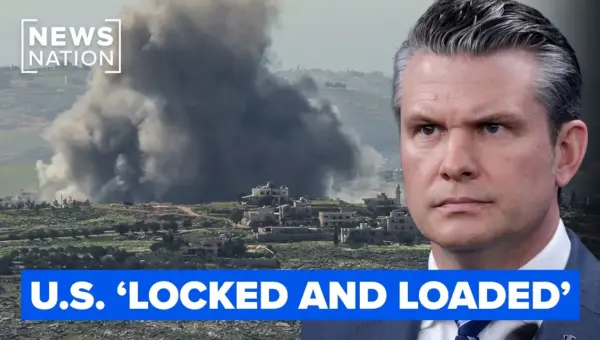
US Warns Iran: Deal or Face Military Action
The U.S. military is on high alert, warning Iran of potential action if diplomatic talks fail. Tensions are escalating in the Strait of Hormuz, with economic sanctions also being prepared as leverage. Mediators are working to secure a second round of negotiations, but the outcome remains uncertain.
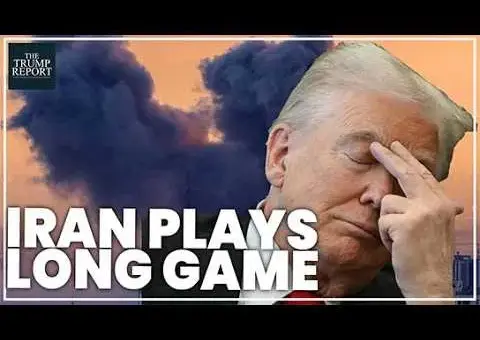
Iran’s War Strategy Outlasts US Patience
Iran's strategy of prolonging conflict to outlast US patience is a key factor in current Middle East tensions. While President Trump seeks an end, Iran aims to inflict economic pain. This analysis explores the military warnings, political fallout, and economic vulnerabilities shaping the standoff.

Officials’ Gaffes Expose Administration’s War Rhetoric
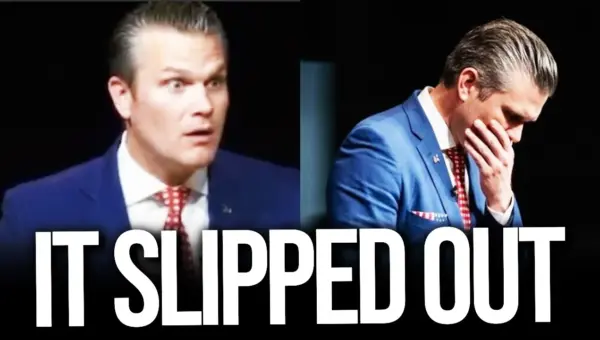
Recent public statements by Pete Hegseth and Stephen Miller have drawn criticism for alleged incompetence and inflammatory rhetoric. Hegseth quoted a fake Bible verse from a movie, while Miller used the phrase 'final solution.' These incidents, coupled with aggressive military language, raise concerns about the administration's communication strategy regarding the Iran conflict.