Trump Admin Scrambles for Iran War Justification
The Trump administration is facing scrutiny over shifting justifications for military action against Iran, with critics alleging a lack of clear strategy and reliance on "ad hocism." Reports indicate officials struggled to substantiate claims of imminent threats, leading to public skepticism and internal political divisions.

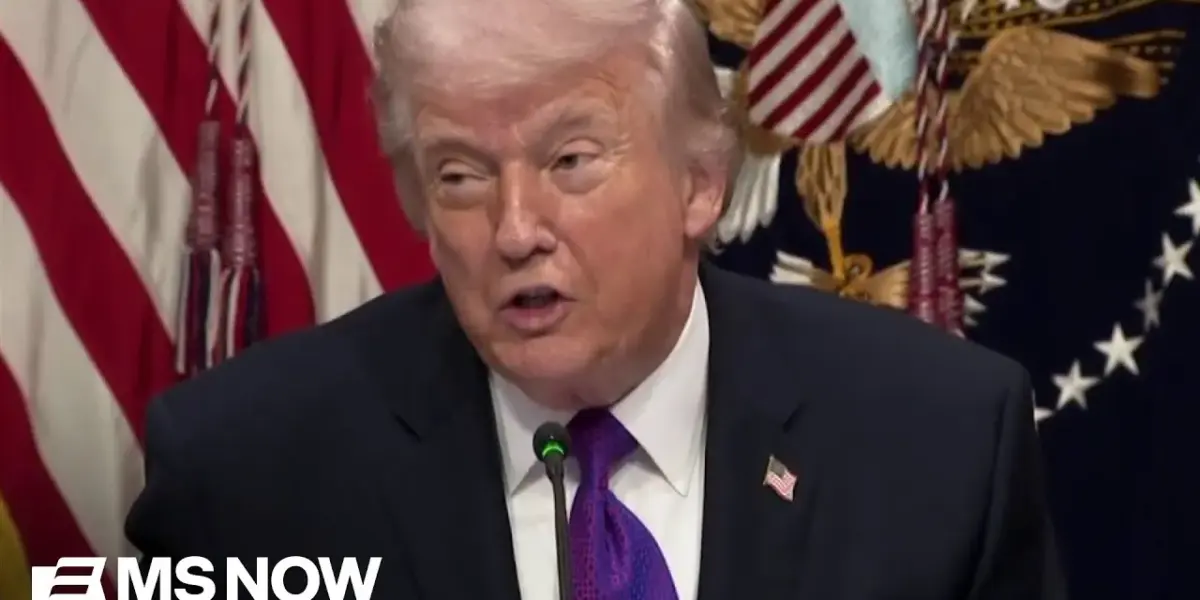
Inconsistent Rationales Emerge as Administration Struggles to Define War Aims
Washington D.C. – The Trump administration is facing mounting criticism for a shifting and seemingly contradictory set of justifications for its recent military actions against Iran. As the conflict unfolds, officials have offered a variety of rationales, leading to accusations that the administration is “shopping around” for reasons that resonate with the public and political allies, rather than adhering to a clear national security strategy.
Conflicting Explanations Fuel Public Skepticism
The lack of a unified narrative has sowed confusion and distrust, both domestically and internationally. Initially, the administration pointed to an imminent threat as the primary driver for military engagement. However, reporting based on classified briefings suggests that even within closed-door sessions with congressional staff, officials were unable to substantiate claims of an imminent Iranian plot to attack U.S. Interests or bases.
Instead, the justification reportedly shifted to Iran’s ballistic missile program, a move critics argue is a significant stretch under international law and does not constitute a valid reason for preemptive military action, especially one that resulted in the assassination of high-ranking Iranian officials.
“The administration was not able to say that the Iranians were plotting to attack the United States first. They were not able to say that there was an imminent threat to our U.S. Bases in the Middle East based on planning for an attack.”
Internal Divisions and Political Fallout
The ambiguity surrounding the war’s objectives and rationale has exacerbated internal political divisions. A notable instance involved Senator Marco Rubio’s public statement suggesting the U.S. was drawn into conflict because Israel was preparing to strike Iran, anticipating retaliation that would endanger American forces. This explanation sparked outrage among segments of the MAGA base, who viewed it as a betrayal of the “America First” principle and accused Israel of dragging the U.S. Into war.
President Trump himself reportedly rejected this narrative, further highlighting the administration’s struggle to present a coherent front. The ensuing political infighting, with prominent conservative figures like Tucker Carlson and Megyn Kelly clashing with others like Sean Hannity and Mark Levin, highlights the deep divisions within the conservative movement regarding the conflict.
“Ad Hocism” and Shifting Objectives
Experts and critics have characterized the administration’s approach as “ad hocism,” suggesting a reactive strategy driven by public opinion and political expediency rather than a deliberate foreign policy. The shifting objectives, ranging from regime change to concerns about Iran’s nuclear program, and the fluctuating timelines for conflict resolution—from “days” to “much longer”—paint a picture of an administration struggling to define its goals and articulate a clear path forward.
“Boots on the Ground” Option Raises Further Concerns
The recent suggestion by President Trump, as reported by the New York Post, that “boots on the ground” in Iran remains an option on the table, has added another layer of concern. This statement, made in conjunction with Caroline Levitt, is interpreted by some as an indication that the administration recognizes the limitations of an aerial bombing campaign and is exploring further escalation options due to an inability to achieve its stated objectives.
The inclusion of such a significant escalation, particularly given the current political climate and the lack of clear justification for the existing conflict, is seen as a dangerous sign of uncertainty and a potential lack of strategic foresight.
Iran’s Resilience and Future Threats
Despite the U.S. military’s overwhelming power, Iran is assessed to possess capabilities to sustain its strikes against American interests and allies, albeit with degrading resources. Officials anticipate that Iran will likely resort to other asymmetric tactics, including potential terrorist attacks, mortar strikes, and improvised explosive devices, as its missile capabilities are diminished.
Analysts believe Iran views the current situation as a matter of survival and will continue to leverage all available means to counter U.S. and Israeli actions. The administration’s current approach is seen by some as fueling disinformation at a critical time, making it imperative for Congress to demand greater transparency and accountability.
Call for Congressional Oversight
In light of the administration’s perceived dishonesty and misrepresentation of facts, there are calls for increased congressional oversight. The need to extract a clear narrative and factual basis for the ongoing conflict from the administration is deemed crucial. The current interagency process is reportedly lacking the necessary expertise, intelligence, and strategic coherence to effectively navigate the complex situation and find a viable path out of the escalating crisis.
Looking Ahead
As the situation in the Middle East remains volatile, all eyes are on the Trump administration’s next moves and its ability to articulate a consistent and credible strategy. The coming weeks will likely reveal whether the administration can coalesce around a unified rationale or if it will continue its pattern of shifting justifications, further eroding public trust and potentially leading to wider regional instability.
Source: ‘They are trying to see what sticks’: Trump Administration struggling to justify war with Iran (YouTube)

Related Articles
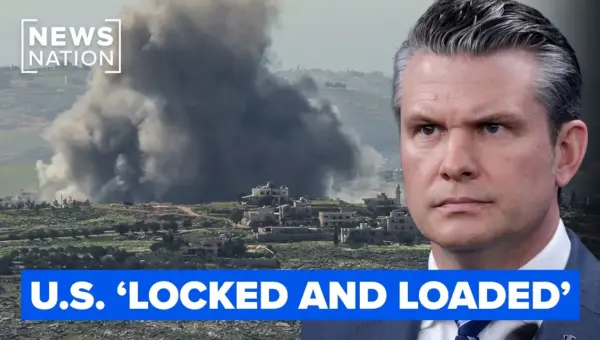
US Warns Iran: Deal or Face Military Action
The U.S. military is on high alert, warning Iran of potential action if diplomatic talks fail. Tensions are escalating in the Strait of Hormuz, with economic sanctions also being prepared as leverage. Mediators are working to secure a second round of negotiations, but the outcome remains uncertain.
Iran’s War Strategy Outlasts US Patience
Iran's strategy of prolonging conflict to outlast US patience is a key factor in current Middle East tensions. While President Trump seeks an end, Iran aims to inflict economic pain. This analysis explores the military warnings, political fallout, and economic vulnerabilities shaping the standoff.
Iran War Strains US Power, Bolsters China’s Global Ambitions
The ongoing conflict with Iran has significantly weakened the United States' global standing and depleted its military resources. This has created an opening for China to expand its influence, potentially impacting the future of Taiwan. Analysts suggest the war may be a pivotal moment, marking a potential decline in American power.