US Escalates Iran Conflict Amidst Growing Concerns, Lack of Clear Strategy
The U.S. is accelerating its military campaign in Iran, with Defense Secretary Pete Hegseth signaling further strikes. Amidst rising casualties and intercepted missile threats to Turkey, lawmakers and former intelligence officials express grave concerns over the administration's lack of a clear strategy and the potential for a wider regional war.

US Accelerates Iran Conflict, Allies Voice Alarm Over Escalation
The United States has significantly escalated its military actions against Iran, with Defense Secretary Pete Hegseth indicating that the conflict is accelerating rather than decelerating. This development comes amid growing concerns from lawmakers and international observers about the lack of a clear strategy from the Trump administration and the potential for a wider regional war. Hegseth’s remarks, made during a classified briefing, suggested that larger waves of strikes deeper into Iran are imminent and that the U.S. will “take all the time we need to make sure that we succeed,” without publicly defining what success entails.
Key Incidents Fueling Regional Tensions
The escalating conflict has been marked by several significant incidents in recent days. A senior NATO military official confirmed that a ballistic missile launched from Iran was intercepted by NATO air and missile defense systems in the eastern Mediterranean as it approached Turkish airspace.
Such an attack on a NATO member could trigger the alliance’s mutual defense clause, potentially drawing all 32 member states into the war. The U.S. Reportedly used a submarine-launched torpedo to sink an Iranian warship in the Indian Ocean near Sri Lanka.
Meanwhile, an analysis by The New York Times of satellite imagery and videos revealed that Iranian strikes over the weekend and Monday damaged communication and radar systems at at least seven U.S. military sites across the Middle East. These targeted locations suggest Iran’s intent to disrupt the U.S. military’s ability to communicate and coordinate operations.
Human Cost and Critiques of War Rationale
The conflict has already resulted in significant casualties. Over 1,000 people have reportedly died in Iran, with at least 10 killed in Israel and six U.S. Servicemembers losing their lives.
Senator Elizabeth Warren has voiced alarm, characterizing the war as illegal and launched without an imminent threat to the nation. “Donald Trump still hasn’t given a single clear reason for this war and he seems to have no plan for how to end it either,” a statement from Warren’s office expressed, reflecting a sentiment of anger and grief over the “unnecessary conflict.”
Defense Secretary’s Stance on Media Coverage
In response to the mounting casualties and criticism, Defense Secretary Pete Hegseth addressed the deaths of U.S. troops, stating, “This is what the fake news misses. We’ve taken control of Iran’s airspace and waterways without boots on the ground.
We control their fate, but when a few drones get through or tragic things happen its front-page news. I get it, the press only wants to make the president look bad but try for once to report the reality.” He added, “Thin skin doesn’t get you too far,” implying criticism of media outlets focusing on troop losses.
Concerns Over Lack of Congressional Oversight and Strategy
The situation has raised profound questions about congressional oversight and the administration’s strategic planning. Paul Rikoff, host of the Independent American podcast, expressed frustration, stating, “The most important story in the world is that Donald Trump can do anything he wants with the most powerful military the world has ever seen, and nothing is stopping him.” He criticized Congress for its inaction, suggesting that the legislative body is “broken” and incapable of stopping or even slowing down the President’s actions. “Congress is failing here, and I think NATO will likely get involved.
We’ve got a full regional war now. It’s not contained only to Iran, and there’s no sense that this is going to slow down. It seems to accelerate,” Rikoff added.
“The question is not really what is Trump going to do, because we know what Trump is going to do. The question is, what is Congress going to do?
They didn’t even interrupt their weekend for an emergency. CONGRESS IS BROKEN, THIS IS NOT BE CAN ANYBODY DO ANYTHING TO STOP THEIR CONVERSATION.”
International Perspective and Strategic Missteps
Former Director of the CIA, John Brennan, offered a stark assessment of the situation from an international intelligence perspective. He noted that intelligence chiefs globally are observing the U.S. With concern, stating, “Things are really broken there.
In terms of how policy is formulated, it’s not. It’s just something that Donald Trump decides to do.” Brennan also pointed to a potential strategic misstep in the administration’s approach to regime change in Iran, noting that a more effective strategy would have involved extensive coordination with allies and efforts to foment internal dissent within Iran, rather than relying solely on military operations.
Brennan highlighted the complexity of the region and the historical context influencing Iranian perspectives. He mentioned the 1953 CIA-backed coup against Prime Minister Mosadek and U.S. Support for the Shah’s secret police as factors contributing to Iranian distrust. “The Iranians look at us and they say, OKAY, the CIA and the Brits overthrew the democratically elected Prime Minister Mosadegh in 1953…
The big question is how do we move forward and get out of this cycle of violence and retribution,” Brennan stated. He also referenced reports of Israelis vowing to kill the next supreme leader, highlighting the volatile nature of the conflict.
Uncertain Future and Potential for Further Escalation
The future trajectory of the conflict remains highly uncertain. The Wall Street Journal reported that the son of Iran’s Supreme Leader Ayatollah Khamenei is a top contender to replace his father, potentially steering the country in an even more hard-line direction. This prospect raises concerns about the long-term implications of the current U.S. Strategy, especially if it leads to a more entrenched and aggressive Iranian leadership.
The administration’s continued acceleration of military actions, coupled with the lack of public clarity on its objectives and exit strategy, suggests a perilous path ahead. The coming weeks will be critical in determining whether diplomatic channels can be effectively utilized to de-escalate the situation or if the region is headed towards a broader, more devastating conflict.
Source: ‘Thin skin doesn’t get you too far’: Pete Hegseth whines over press coverage of troop casualties (YouTube)

Related Articles

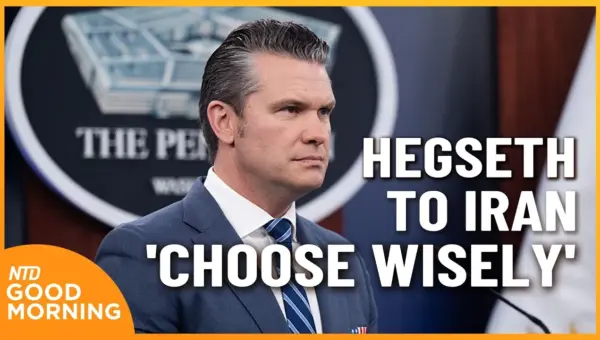
US Navy Blockade Cripples Iran’s Trade, Shifts Global Power
The U.S. Navy's blockade of Iranian ports is crippling the nation's economy and trade, with significant ripple effects on China. This aggressive economic pressure aims to isolate Iran financially, while domestic debates in the U.S. focus on balancing national security with citizen privacy.
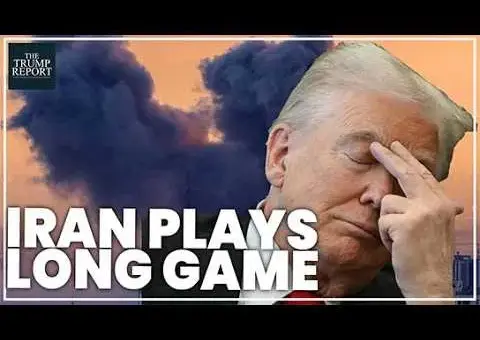
Iran’s War Strategy Outlasts US Patience
Iran's strategy of prolonging conflict to outlast US patience is a key factor in current Middle East tensions. While President Trump seeks an end, Iran aims to inflict economic pain. This analysis explores the military warnings, political fallout, and economic vulnerabilities shaping the standoff.

China’s Global Reach Faces Sanctions Threat
The U.S. is imposing potential secondary sanctions on Chinese banks dealing with Iran's oil revenue, signaling a tougher stance on international financial flows. This move is part of broader concerns over China's global economic and political influence, including its technological acquisition and alleged influence operations within the U.S.