Trump’s Iran Strikes: A Fragile Ego Fuels Foreign Policy
A Reuters report suggests Donald Trump's decision to attack Iran was driven by a desire to appear strong, influenced by ally pressure and personal ego. This analysis explores the implications of ego-driven foreign policy.

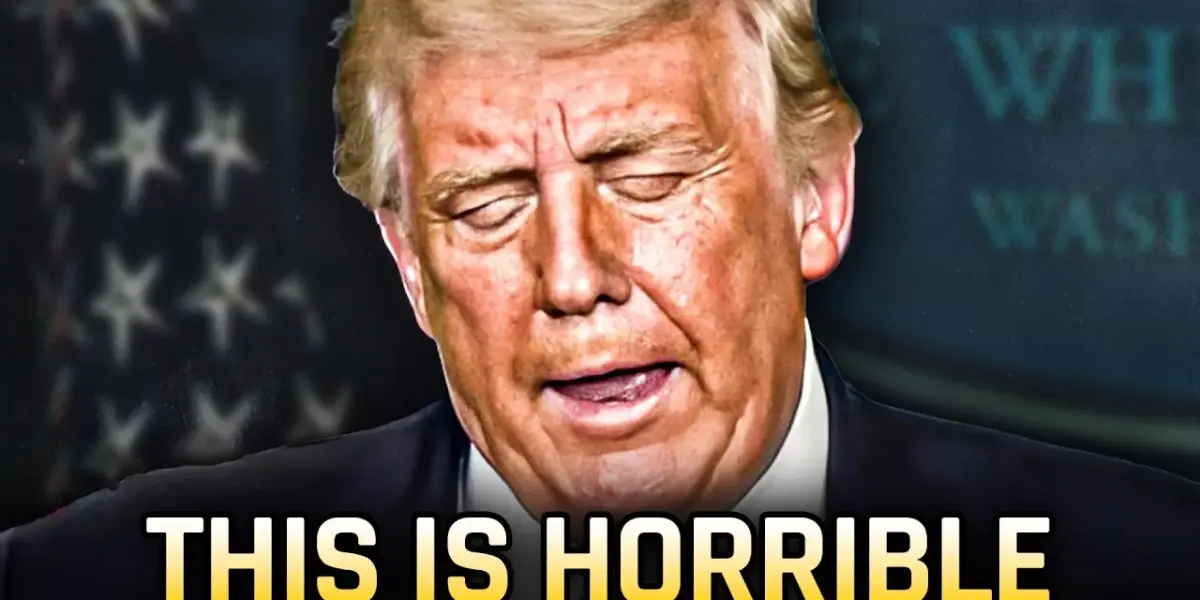
Trump’s Iran Strikes: A Fragile Ego Fuels Foreign Policy
A recent report by Reuters has shed a stark light on the motivations behind Donald Trump’s decision to launch strikes against Iran. While external pressure from allies like Israel and Saudi Arabia played a role, the report suggests a more deeply personal and arguably more concerning driver: Trump’s desire to project an image of strength, even at the cost of human lives and geopolitical stability.
The Dual Pressures: Allies and Ego
The initial impetus for the strikes, as reported by Reuters, stemmed from fervent pleas by Israel and Saudi Arabia, who were reportedly urging the United States to take action against Iran. This is not an uncommon dynamic in international relations, where regional powers often seek to leverage the influence and military might of larger nations to address their perceived threats. However, the report indicates that these external pressures were amplified by an internal imperative within the Trump administration: the former president’s own perceived need to appear decisive and powerful.
According to officials interviewed by Reuters, top aides cautioned that U.S. intelligence could not guarantee that an escalation could be avoided once a strike commenced. The administration was warned that its political fortunes could become entangled with an unpredictable aftermath. Despite these warnings, Trump reportedly opted for decisive action, believing it would underscore his image as a strong leader, even if it meant embracing long-term risks.
Electoral Calculations and Base Appeasement
The analysis extends to Trump’s political calculus, particularly concerning his base. An informal Trump adviser reportedly argued that the primary electoral danger lay not with moderate or independent voters, but with the MAGA movement itself.
For many within this base, non-interventionism had become a key tenet of Trump’s appeal, a departure from traditional Republican foreign policy stances. The adviser suggested that engaging in military action against Iran could alienate these voters and jeopardize Republican chances in upcoming elections.
The transcript highlights a concerning feedback loop where the desire to project strength clashes with the potential for alienating a core constituency. The narrative suggests that Trump was presented with a choice: risk appearing weak to his base by abstaining from military action, or risk alienating that same base by striking Iran. The ultimate decision, according to this account, leaned towards the former, driven by a perceived need to avoid personal feelings of weakness.
“But if I don’t do it, I’m going to look weak, and if I look weak, that hurts my feelings, and I don’t want to have hurt feelings, so bombs away.”
This quote, while not directly attributed to Trump but rather to the reported internal discussions, encapsulates the core of the argument: a foreign policy decision with potentially grave consequences being influenced by personal emotional management. The tragic outcome, with reported casualties including U.S. Service members and Iranian civilians, is presented as a direct consequence of this ego-driven decision-making.
The Nature of True Strength
The analysis digs into a philosophical examination of strength, contrasting the performative displays of power with genuine security. It posits that individuals who are truly secure in their masculinity, or in their leadership, do not feel the constant need to broadcast it.
Instead, their strength is self-evident through their actions and demeanor. The transcript draws a sharp distinction between this quiet confidence and the boisterous assertions of toughness often associated with Trump and some of his supporters.
The imagery used – Trump ordering strikes from Mar-a-Lago, a luxurious estate far removed from the battlefield, while reportedly dealing with personal physical ailments – is employed to underscore this point. The argument is that such actions and circumstances do not align with the image of a decisive, battle-hardened leader, but rather with someone seeking validation through external displays.
Historical Context and Future Implications
The decision to strike Iran, regardless of the specific motivations, has significant historical and geopolitical implications. Historically, U.S. Foreign policy has often been influenced by a complex interplay of national interests, alliance commitments, and the personal predilections of its leaders. The post-World War II era saw the U.S. Adopt a role as a global security guarantor, leading to numerous interventions and engagements, some driven by clear strategic imperatives, others by shifting political winds or perceived threats.
The current situation, where a leader’s personal image management is suggested as a primary driver for military action, raises serious questions about the stability and rationality of foreign policy decision-making. If perceived personal weakness can trigger military engagement, the threshold for conflict becomes dangerously low. This could lead to a cycle of escalating tensions, driven not by strategic necessity but by the emotional needs of those in power.
Why This Matters
This analysis is critical because it probes the very foundations of foreign policy decision-making. It suggests that decisions with life-or-death consequences, impacting international relations and global security, may be swayed by a leader’s personal insecurities and the desire to project an image of strength.
This raises profound concerns about accountability, the reliability of U.S. Foreign policy, and the ethical considerations of using military force. The potential for such decisions to be driven by ego rather than strategic foresight or humanitarian concerns is a dangerous precedent that could lead to further instability and conflict.
Trends and Outlook
The trend highlighted here is the increasing personalization of politics and foreign policy. In an era dominated by social media and a 24/7 news cycle, the image of a leader can become as important, if not more so, than their substantive policies. This can create an environment where leaders are incentivized to engage in performative actions to maintain their public image, even if those actions are detrimental to national interests or global stability.
The future outlook suggests that this tension between genuine policy and perceived image will continue to be a defining feature of leadership, potentially leading to more unpredictable and volatile foreign policy decisions. The challenge will be to foster a political culture that prioritizes substance over spectacle, and responsible statesmanship over the appeasement of fragile egos.
Source: Trump Attacked Iran To Soothe His Fragile Ego (YouTube)

Related Articles
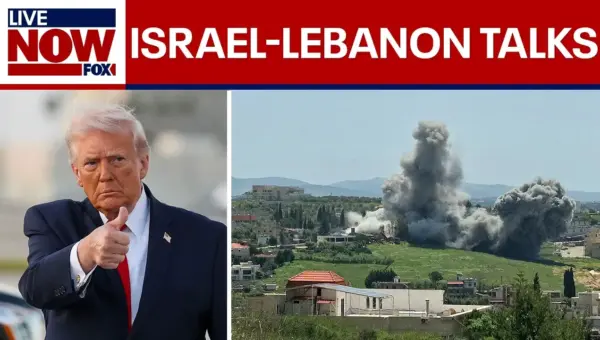
Trump: Israel-Lebanon Talks Set for Today Amid Escalating Tensions
President Trump announced that Israel-Lebanon talks are set for today amid escalating Middle East tensions. The U.S. is also increasing economic pressure on Iran, while ongoing military operations continue in southern Lebanon. Diplomatic efforts face significant challenges due to Hezbollah's influence and Iran's nuclear program.

US Navy Blockades Iran, Offers Deal Amid “Operation Epic Fury”
The U.S. Navy has initiated a blockade of Iran's ports and coastline as part of "Operation Epic Fury," aiming to pressure the regime into accepting a deal. The operation involves thousands of personnel and numerous vessels, supported by Treasury's "Operation Seamless" to cut off financial aid. Iran faces a choice between a peaceful future or severe consequences.
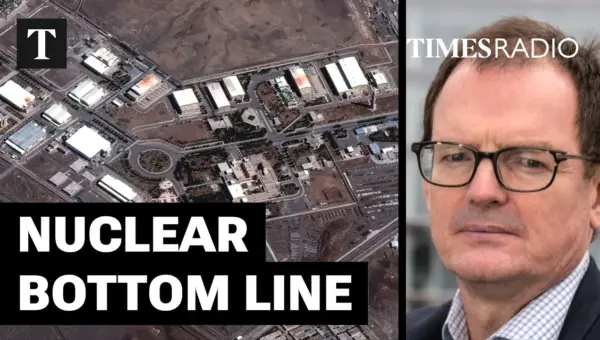
Trump Pursues Iran Nuclear Deal Differently Than Obama
The Trump administration is reportedly seeking a new nuclear deal with Iran, focusing on a total enrichment moratorium, a departure from the 2015 Obama-era agreement. Reports suggest a 20-year freeze, though specifics remain unclear amidst mixed messaging from Washington. Meanwhile, separate U.S.-brokered talks aim for a ceasefire in Lebanon, potentially impacting regional stability.