Israel Hospitals Go Underground Amid Iran Tensions
Amid escalating Iran conflict, Israeli hospitals like Sheba Medical Center are moving critical operations, including surgeries and ICUs, to secure underground facilities. This unprecedented move aims to ensure patient safety and maintain medical service continuity under potential aerial threats.

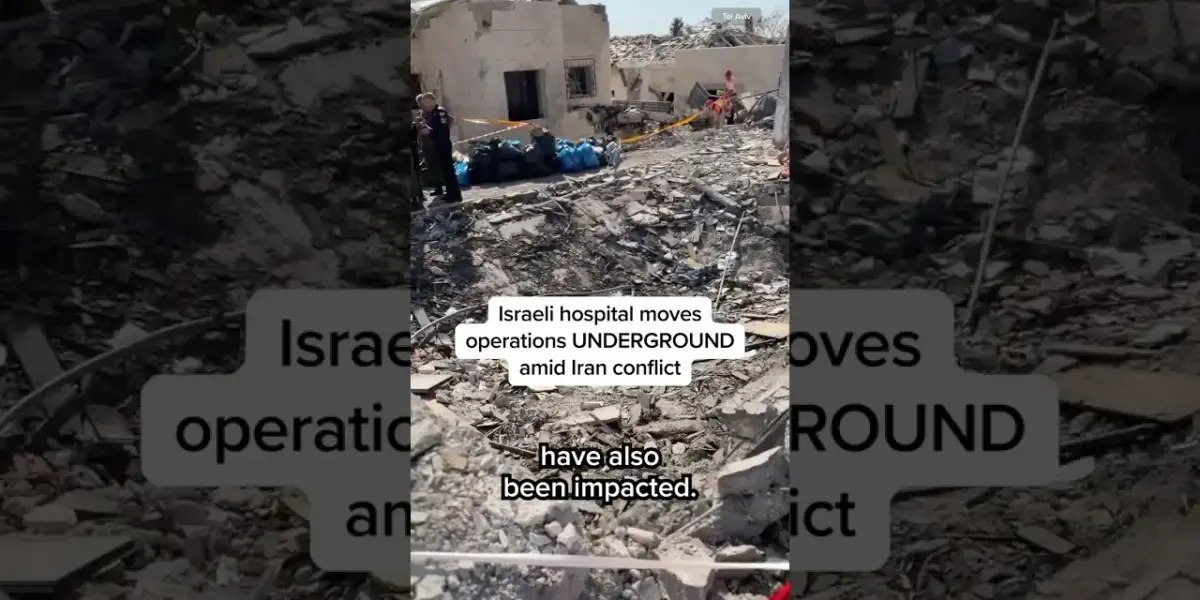
Hospitals Relocate Operations to Secure Underground Facilities
In a stark demonstration of the escalating regional tensions, several Israeli hospitals have begun relocating critical medical operations to secure, underground facilities. This unprecedented move is a direct response to the heightened conflict with Iran, as medical centers implement extraordinary measures to ensure the continuity of care and the safety of patients and staff amidst potential aerial threats.
Sheba Medical Center Leads the Shift
Among the most prominent institutions taking these precautionary steps is the Sheba Medical Center, located near Tel Aviv. The hospital has reportedly moved a significant portion of its operations, including surgeries and intensive care units, to a fortified underground complex. This relocation is designed to shield vital medical services from any potential attacks, ensuring that even in the event of an emergency, essential medical care can continue uninterrupted.
The decision to move operations underground is not merely a logistical challenge; it represents a profound statement about the current security environment in Israel. The underground facilities are equipped to function independently for extended periods, mirroring the capabilities of the above-ground hospital but with enhanced protection against external threats.
Why the Underground Shift?
The rationale behind this drastic measure is rooted in the escalating conflict and the perceived threat of Iranian retaliation. Following recent events, Israel has been on high alert, and the medical infrastructure is no exception. By moving critical services underground, hospitals aim to:
- Ensure Patient Safety: Protect vulnerable patients and essential medical personnel from potential harm.
- Maintain Operational Continuity: Guarantee that life-saving procedures and critical care can proceed regardless of external security conditions.
- Mitigate Infrastructure Damage: Safeguard state-of-the-art medical equipment and facilities from potential damage.
- Provide a Secure Environment: Offer a protected space for medical staff to continue their work under extreme duress.
Broader Implications and Context
This proactive strategy by Israeli hospitals highlights the volatile geopolitical landscape of the Middle East. The move highlights the critical need for resilient infrastructure that can withstand conflict and ensure essential services remain available during crises. It also brings to the forefront the dual-use nature of advanced medical facilities, which must now be designed with robust security protocols in mind.
The situation has put a spotlight on the preparedness of critical infrastructure in conflict zones worldwide. The ability of a nation’s healthcare system to adapt and maintain functionality under threat is a key indicator of its overall resilience. The underground shift at Sheba Medical Center and other facilities is proof of the meticulous planning and significant investment required to fortify essential services.
While the exact capabilities and duration of the underground operations remain confidential for security reasons, the move signifies a new phase in preparedness for major medical centers operating in high-risk environments. It poses questions about the future of hospital design and emergency response protocols in regions facing persistent security challenges.
What’s Next?
As regional tensions continue to fluctuate, the world will be watching closely to see how this preparedness strategy unfolds. The success of these underground operations in maintaining medical services will be a critical factor in assessing the resilience of Israel’s healthcare system. Further developments may also influence how other nations in conflict-prone areas approach the fortification of their own critical infrastructure, particularly in the healthcare sector.
Source: Israeli hospital moves operations UNDERGROUND amid Iran conflict (YouTube)

Related Articles

US Warns Iran: Choose Deal or Face Blockade and Bombs
The U.S. military has issued a stark warning to Iran, urging the regime to choose a diplomatic deal or face a combination of naval blockade and targeted strikes. Admiral Bradley Cooper detailed Operation Epic Fury, highlighting U.S. military superiority and intelligence capabilities. The U.S. also criticized negative media coverage, praising troops' achievements.


Trump’s Desperate Bid for a Win Amidst Global Tensions
President Trump is seeking a decisive win amidst a public feeling of unease and a complex foreign policy challenge with Iran. The Strait of Hormuz standoff and China's role add significant global tension. Analysts debate perception versus reality, while the upcoming midterms loom.

US Tightens Grip: Iran Faces Blockade and Economic Fury
The U.S. has implemented a naval blockade against Iran, crippling its energy exports and intensifying economic pressure. Officials state Iran's military is depleted, while the U.S. is stronger with superior intelligence. The operation aims to force Iran to choose between a diplomatic resolution or severe consequences.