Brave Teen Dies Trying to Save Friend in Deep Cave
Two gripping true crime stories: the tragic cave rescue of Michael Perry and Grant Lockenbach, and the defiant Harry R. Truman who refused to evacuate before the Mount St. Helens eruption.

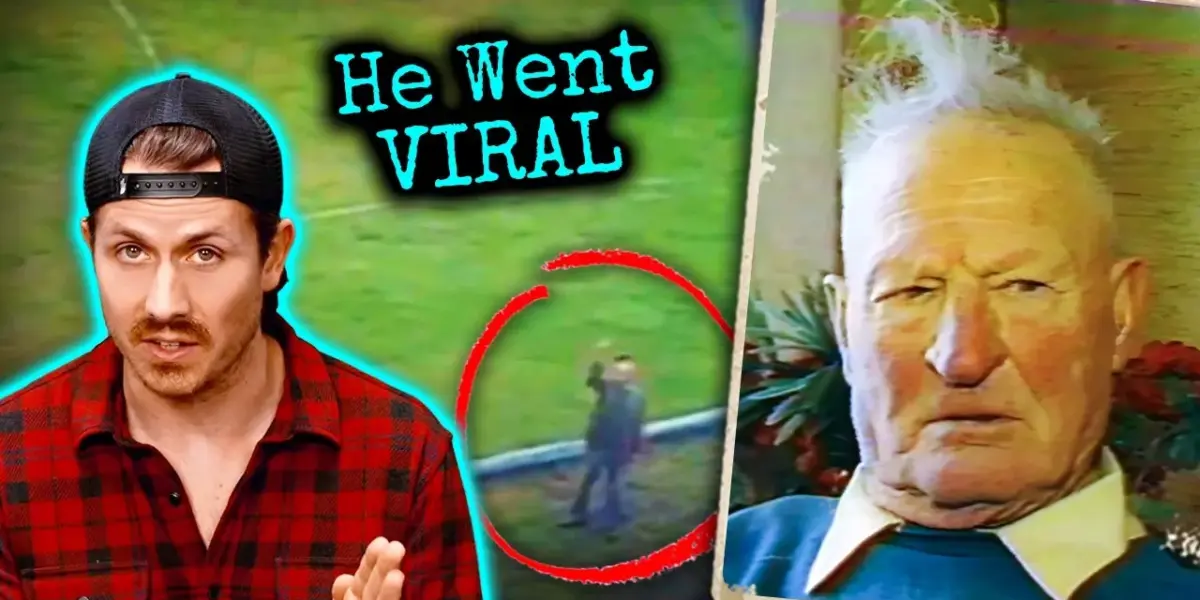
Brave Teen Dies Trying to Save Friend in Deep Cave
In the unforgiving darkness of a Georgia cave, a young man’s courage turned into tragedy, highlighting the perilous consequences of even the most noble intentions.
A Descent into Ellison Cave
On a Saturday afternoon in February 2011, 18-year-old Michael Perry found himself 1,000 feet underground in Ellison Cave, a popular spelunking destination in Lafayette, Georgia. Alongside four friends, including his admired mentor Grant Lockenbach, Michael, a marketing major more accustomed to the halls of the University of Florida than subterranean depths, was there not for recreation, but at Grant’s urging. Grant, the charismatic president of their college’s Fellowship of Christian Athletes, was a seasoned caver, a thrill-seeker who had previously climbed buildings and skydived.
A Fateful Mistake
The group had chosen an easier tunnel, but Grant’s ambition led them to the entrance of a 125-foot vertical shaft known as the “warm-up pit.” Despite its name, the pit was an advanced challenge. As Michael assisted Grant with rigging the climbing rope, his own apprehension grew. Grant, eager to retrieve a backpack containing essential gear and their only cell phone that had accidentally fallen into the pit, prepared to descend.
Grant’s confident descent initially reassured Michael and the others. However, the reassuring calm shattered when Grant’s muffled, panicked calls echoed from the darkness. The waterfall near the pit entrance, a constant roar, amplified the confusion.
Grant, stuck and tangled in his rope directly in the path of a freezing waterfall, was rapidly succumbing to hypothermia. In a moment of desperate clarity, he managed to yell Michael’s name.
A Brother’s Sacrifice
Hearing his name called, Michael felt a profound sense of responsibility. Believing Grant would have done the same for him, and seeing it as a personal challenge from his idol, Michael made a split-second decision.
Ignoring Carrie’s pleas and warnings about his inexperience, he donned an extra harness and attached himself to the same rope Grant had used. He descended into the abyss, driven by the desperate need to save his friend.
Tragic Outcome
Carrie, left alone at the surface, prayed for their safety. She heard Michael’s voice, reporting they were okay but very cold. However, his reassurances grew increasingly delayed and eventually ceased altogether.
Anmar Mursza and a rescue team arrived about an hour and a half later. They found Carrie, terrified and shivering.
As Anmar descended, he discovered the grim reality: Grant had become entangled in the waterfall’s path, and Michael, following the same perilous route, had also become trapped at the same spot. Despite the rescue efforts, both Michael and Grant had succumbed to hypothermia, freezing to death after approximately two hours dangling in the frigid water.
Legacy of Courage
In 2013, two years after their deaths, the Carnegie Hero Fund Commission posthumously awarded Michael Perry a medal for his extraordinary bravery in risking his life to save Grant. Their story is a clear reminder of the unpredictable dangers that can lurk even in recreational pursuits and the profound, often tragic, lengths to which friendship and courage can lead.
Harry R. Truman: A Stand Against the Government
In the serene wilderness of Washington State, an 83-year-old man’s defiance against government authority culminated in a catastrophic event, forever etching his name into the annals of environmental disaster.
A Solitary Life at Spirit Lake
On a Friday night in late March 1980, Harry R. Truman, a World War I veteran, was enjoying a quiet evening in his lodge overlooking Spirit Lake.
Having lost his wife Edna five years prior, Harry lived a largely solitary life, his only companions a dozen cats. His remote lodge, situated deep in the wilderness, was a place he cherished, a sanctuary far from the intrusions of the outside world.
Government Pressure Mounts
For days, Harry had been subjected to increasing pressure from government agents demanding he evacuate his property. A federal operation was planned, and officials deemed the area unsafe. Harry, a man who famously disliked authority and had a history of non-compliance, refused to leave.
He had lived in his lodge for 54 years and considered Spirit Lake and its surrounding mountains his paradise. He rebuffed attempts by federal agents and even a local deputy, firmly stating his intention to stay.
The Unthinkable Eruption
Harry’s defiance continued until the morning of April 5th. He was observing the increased presence of federal agents from his “cocktail lounge” clearing when the unthinkable occurred.
Mount St. Helens, a volcano that had been showing signs of unrest, erupted with cataclysmic force. The eruption triggered a massive debris avalanche, the largest in recorded history, which surged down the mountain and directly towards Spirit Lake.
Tragic End to a Defiant Life
The blast obliterated Harry’s lodge and everything in its path. Harry R. Truman, who had steadfastly refused to evacuate, was among the 57 people confirmed to have died in the eruption.
His lodge, his beloved Spirit Lake, and his life were consumed by the volcano’s fury. Harry’s story became a symbol of individual resistance against perceived government overreach, but also a tragic example of the devastating consequences when nature’s power eclipses human will.
Source: He stood up to the government and became a LEGEND (YouTube)

Related Articles
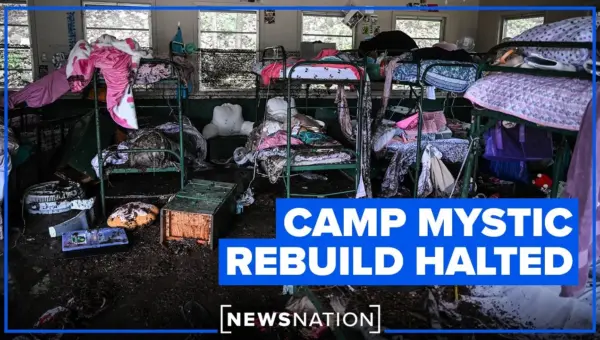
Camp Mystic Tragedy: A Judge’s Order Sparks Outrage
A judge has ordered Camp Mystic's damaged buildings to remain untouched amid a wrongful death lawsuit following a flash flood that killed 27 people. Families shared harrowing survival stories, questioning the camp's preparedness and communication failures. The legal battle continues, with a decision on reopening the camp pending.

Doctor Sees Grim Reaper, Then Dies of Cancer
In 1974, Dr. Julian Kirschner reported seeing a figure resembling the Grim Reaper in his backyard. Weeks later, he was diagnosed with incurable blood cancer and soon passed away. His story raises chilling questions about life, death, and unexplained encounters.

Skull Melts Away: Rare Disease Ravages Man’s Bones
A young man's earache revealed a terrifying rare disease causing his skull to literally melt away. Doctors struggled to treat Gorham-Stout disease, a condition with no known cure.