ReBoot’s Lost Masters Rescued by Tech & Fan Dedication
The groundbreaking 1994 animated series ReBoot, the first fully CGI TV show, has had its original high-quality masters rescued from obscurity. Thanks to fan dedication and advanced storage technology, the show is being restored to its intended glory after decades of poor preservation.

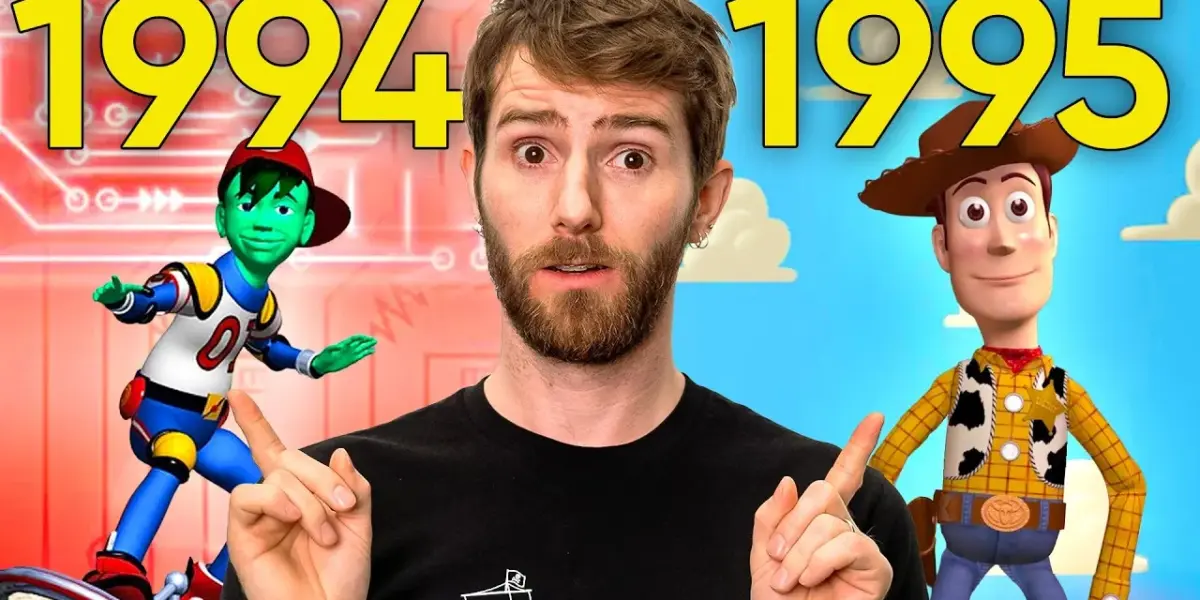
Lost Animation Treasure Found: ReBoot’s Original Masters Rediscovered
While 1995’s Toy Story is widely celebrated as the first fully computer-animated feature film, a groundbreaking achievement in television animation preceded it by a full year. In 1994, Canadian studio Mainframe Entertainment launched ReBoot, the world’s first fully computer-animated television series. This quirky, heartwarming, and adventure-filled show explored imaginative new worlds, yet its legacy has been largely overshadowed, partly due to its Canadian origins limiting broad distribution and, more critically, the loss of its original high-quality master tapes due to poor media preservation practices of the era.
For decades, fans seeking the best possible viewing experience were relegated to pirated Russian DVDs, a far cry from the show’s intended quality. However, thanks to a passionate fan-driven initiative and crucial technological support, ReBoot is finally getting the restoration it deserves. The Reboot Rewind documentary project, spearheaded by Jacob and Raquel, embarked on an ambitious mission to recover and preserve the show’s original digital files.
The Herculean Task of Tape Recovery
The journey began with a simple, yet audacious, request to Mainframe Entertainment: could the creators access the original master tapes? Astonishingly, Mainframe agreed, handing over the extensive collection. The challenge, however, was immense.
These tapes, using a professional digital format known as D1, required specialized and increasingly rare playback equipment. The only machines Mainframe had for reading these tapes had long been discarded.
The Reboot Rewind team found themselves in a desperate situation, lacking the necessary hardware and expertise. A plea on social media led to the discovery of three D1 decks for auction in Germany.
This is where the partnership with Kioxia, a leader in data integrity and storage solutions, became instrumental. Recognizing the importance of preserving this piece of animation history, Kioxia, alongside the Reboot Rewind team, funded the acquisition of these rare, complex machines and the necessary parts for their repair.
D1 Technology: The Uncompromising Standard of the 80s
The D1 format, developed by Sony in 1986, was conceived as the ultimate professional digital video standard. As described by the restoration team, it was the “McLaren F1 of video technology” – a no-compromise, purely digital system designed for broadcast professionals.
Unlike later formats, D1 was entirely uncompressed, capturing bitmapped images directly to tape without any codecs. This resulted in massive data streams – approximately 40 GB per tape – requiring robust storage and transfer solutions.
The D1 decks themselves are engineering marvels of their time. Weighing around 250 lbs each, consuming 650W of power, and housing multiple Intel 80186 processors communicating over an internal Ethernet network, these machines represent a peak of analog-digital hybrid engineering. Their original cost, adjusted for inflation, would be in the hundreds of thousands of dollars, making the $15,000 acquisition price for three broken units a surprisingly good deal.
Restoration Challenges: Brakes, Heads, and Sticky Shed Syndrome
Bringing these vintage machines back to life was a monumental task, undertaken at Disappearing Inc., a facility dedicated to classic computer restoration. Mark, the resident expert, might be one of the last individuals under 40 capable of servicing these D1 decks, having learned his skills through a college course and extensive hands-on experience with broken equipment.
Initial challenges included intricate mechanical issues, such as the brake systems which, when malfunctioning, prevented the machines from operating. The solution involved precise mechanical adjustments and lubrication. More critical was the wear on the tape heads, rated for only 500 hours of use.
The best-performing deck already had over 650 hours on its heads. The solution came in the form of two brand-new, never-used BTS refurbished heads, secured from a retired technician in Germany for $8,000 – a critical purchase that prevented these irreplaceable parts from being lost forever.
The tapes themselves present another significant hurdle: “sticky shed syndrome.” This phenomenon occurs when the binder holding the magnetic particles to the tape base degrades, becoming gummy and causing playback issues and shedding debris. This necessitates careful handling and constant cleaning during the transfer process.
The Workflow: From Tape to Digital Brilliance
The restoration workflow involves a multi-stage process. Custom software developed by Brian manages the D1 decks, tracks errors, and ensures the efficiency of the capture.
Kioxia’s high-performance SSDs have been crucial in accelerating this process. While traditional spinning hard drives could only manage around 7 FPS for ProRes transfers, Kioxia SSDs enable near real-time playback at 25-35 FPS, drastically reducing rendering times and allowing the team to review edits and identify issues much faster.
The goal is to capture all 260 tapes, which include the 47 episodes, multiple edits, unfinished versions, and bonus content. Brian’s team is also undertaking a quasi-re-editing process to address issues arising from the original CRT broadcast format, such as interlacing artifacts that appear as scan lines in modern digital displays, ensuring the restored show looks as intended.
The Final Tape and a Legacy Preserved
The culmination of this immense effort arrived with the capture of the very last ReBoot episode tape. The event was marked by the presence of Jacob and Raquel from Reboot Rewind, and remarkably, Gavin Blair, one of ReBoot‘s co-creators. Blair expressed his profound gratitude for the preservation efforts, noting how the show made animation history and how vital it is to see that legacy restored to its intended quality.
The final capture process involved meticulous tuning of the D1 deck in real-time, adjusting signal strengths and error correction to extract the best possible data from the aging tapes. The success of this project is proof of the dedication of the fans, the technical expertise of the restoration team, and the critical support from partners like Kioxia, whose storage solutions are essential for handling the massive amounts of data involved.
ReBoot‘s journey from a pioneering animated series to a rediscovered treasure highlights the importance of media preservation and the power of community-driven initiatives. The show, which laid the groundwork for much of the CGI animation we see today, can finally be appreciated in its highest quality, honoring its innovative past.
Specs & Key Features
- Original Format: D1 Digital Component Analog Video
- D1 Tape Cassette Size: Largest video cassette ever made
- D1 Deck Components: Multiple Intel 80186 processors, internal Ethernet network
- D1 Deck Power Consumption: 650W
- D1 Tape Head Lifespan: 500 hours
- Data Transfer Rate (with Spinning HDDs): Approx. 7 FPS (ProRes)
- Data Transfer Rate (with Kioxia SSDs): Approx. 25-35 FPS (Near real-time playback)
- Tape Condition Issues: Sticky Shed Syndrome
- Total Tapes to Capture: 260 (Episodes, edits, bonus content)
Availability and Support
The restored episodes of ReBoot are available on YouTube. The Reboot Rewind documentary project is ongoing, and donations are encouraged to support the continued preservation efforts. Merchandise, including t-shirts, is also available for purchase at ltstore.com.
Source: Before Toy Story… There was ReBoot (YouTube)

Related Articles


Roger Rabbit: A Mad Masterpiece That Still Dazzles
Who Framed Roger Rabbit, the 1988 film that blended live-action and animation, remains a dazzling masterpiece. Starring Bob Hoskins and featuring iconic characters like Jessica and Roger Rabbit, it's a thrilling noir mystery with groundbreaking visual effects. The movie masterfully brought cartoons and humans together, proving that ambitious storytelling and technical innovation could create pure cinematic magic.

Spider-Verse 3 & More HUGE Sony Movie News!
Sony Pictures confirmed 'Spider-Verse 3' at CinemaCon, sending shockwaves of excitement through the fandom. The studio also teased future live-action projects within its Spider-Man universe, hinting at more crossovers and character explorations. Fans can expect a continued expansion of Sony's popular animated and live-action Spidey-related films.

Animated Sequels That Outshined Their Origins
From Gotham City's gothic streets to the magical lands of Muppet Babies, some animated shows have soared beyond their original franchises. Discover the top animated series that redefined beloved universes and captured audiences worldwide.