Trump Eyes ‘Friendly Takeover’ of Troubled Cuba
President Donald Trump has signaled a desire for a "friendly takeover" of Cuba, which is currently facing its worst economic crisis in decades. The U.S. strategy involves economic pressure, including cutting off Venezuelan oil supplies, to force the Cuban government into negotiations. The effectiveness of this approach, following a similar operation in Venezuela, remains uncertain.

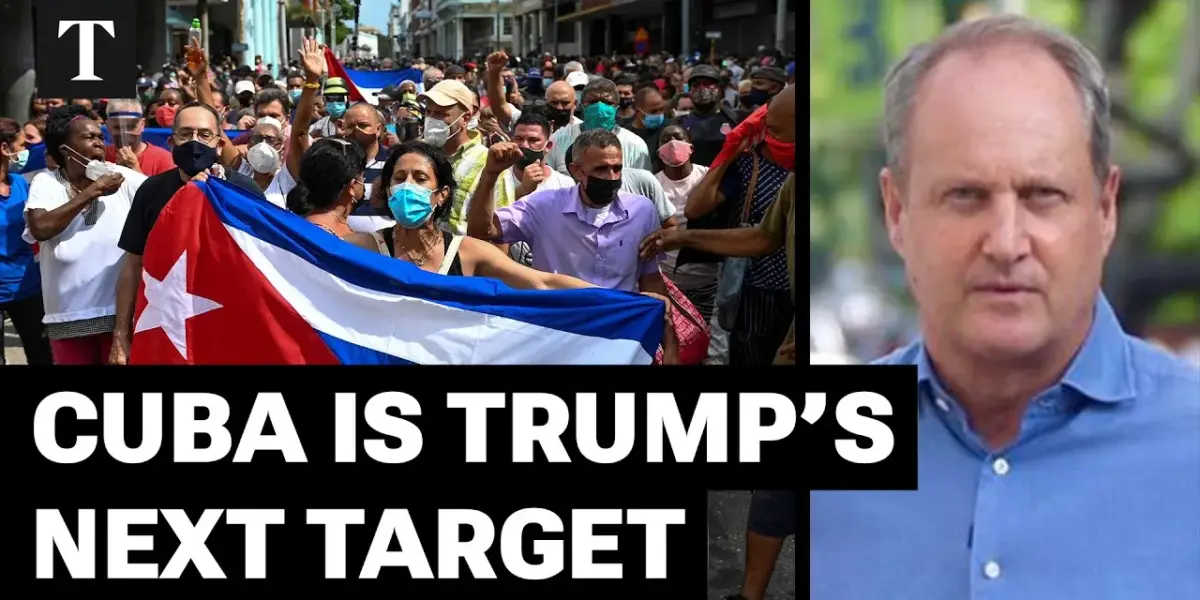
Trump Signals Cuba as Next Target Amid Economic Strife
In a significant geopolitical shift, U.S. President Donald Trump has publicly declared his intention to pursue a “friendly takeover” of Cuba, a move that signals a potential escalation of U.S. Pressure on the Caribbean nation. The statement, made alongside his signature helicopter, suggests a strategic pivot by the Trump administration, which has already tightened sanctions on Venezuela and disrupted its oil supply to Cuba. This aggressive stance comes as Cuba faces its most severe economic crisis since the collapse of the Soviet Union in the 1990s, exacerbated by the U.S. sanctions and the cessation of Venezuelan oil shipments.
Cuba’s Deepening Crisis: Fuel Shortages and Public Discontent
The economic hardship in Cuba is dire, with residents likening the current situation to the “special period” of the 1990s, a time of widespread scarcity following the Soviet Union’s dissolution. The most pressing issue is the severe fuel shortage, which has led to frequent and prolonged power outages across the island. This lack of electricity cripples essential services, rendering refrigerators, freezers, and fans useless in the tropical climate.
The scarcity of gasoline has brought transportation to a standstill, paralyzing daily life. While Cuba has a history of strong nationalism, a growing segment of the population is reportedly contemplating any change as an improvement over the current dire circumstances, presenting a potential window of opportunity for U.S. Intervention.
U.S. Strategy: Economic Strangulation and Diplomatic Ambiguity
The Trump administration’s strategy appears to be one of economic strangulation, aimed at cornering the Cuban government and forcing it to negotiate. The cutoff of Venezuelan oil, which previously supplied nearly 60% of Cuba’s needs, has been a critical blow. The U.S. has also threatened sanctions against any nation that attempts to supply oil to Cuba.
Despite the administration’s claims of ongoing talks with Cuban leadership, including reports of communication with members of the Castro family, Cuba officially denies any formal negotiations, insisting on a dialogue between equals. This discrepancy highlights the complex diplomatic landscape, with the U.S. Potentially seeking to bypass official channels and engage with figures outside the established political hierarchy.
“There is no doubt real weakness and the government there is unpopular, particularly the president. But you know, how you actually turn that from as Trump says, you know, a sort of friendly takeover is a big mystery at the moment.” – Stephen Gibbs, Latin America Correspondent for The Times
The Venezuelan Precedent and its Implications for Cuba
The U.S. Action against Cuba follows a similar playbook to the operation in Venezuela earlier this year, which saw the apprehension of President Nicolás Maduro by U.S. Commandos. While the situation in Venezuela remains complex, with the U.S. Exerting significant control over the nation’s crucial oil industry through its de facto leader, Delcy Rodríguez, the Trump administration may view this as a blueprint for Cuba.
However, the potential for a protracted conflict or a quagmire in Iran, another U.S. Foreign policy focus, could prompt a more cautious approach to further interventions. The effectiveness of the Venezuelan model in achieving long-term stability and democratic transition remains a subject of debate, with concerns that the continued presence of the same personnel within the Venezuelan government could undermine genuine change.
Geopolitical Ripples and Future Uncertainties
The prospect of U.S. Intervention in Cuba raises significant geopolitical questions. While a full-scale military assault is considered unlikely, the possibility of Cuba becoming the next target in a series of U.S. Actions is a genuine concern for Havana. The intricate relationship between U.S. policy, domestic Cuban sentiment, and regional dynamics will be crucial in determining the outcome.
The Trump administration’s stated aim of a “friendly takeover” suggests a desire for a regime change that benefits both U.S. Interests and, ostensibly, the Cuban people. However, the path to achieving such an outcome remains unclear, fraught with diplomatic challenges and the risk of unintended consequences.
What to Watch Next
The coming months will be critical in observing the evolution of U.S.-Cuba relations. Key indicators to monitor include any further tightening of U.S. sanctions, the nature of any diplomatic exchanges, and the internal political and economic stability within Cuba.
The U.S. Presidential election cycle could also influence the administration’s approach. The international community will be watching closely to see if the U.S. Pursues a more aggressive strategy or opts for a more diplomatic path, and how Cuba’s government and its people respond to the mounting pressure.
Source: ‘In Trouble’ Cuba is Trump’s Next Target | Stephen Gibbs (YouTube)

Related Articles
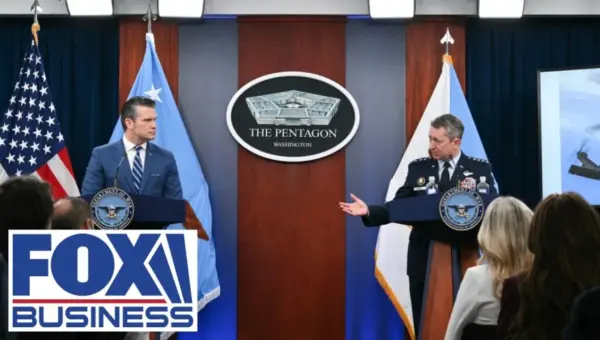
US Navy Maintains Ironclad Blockade on Iran
The U.S. Navy has implemented a strict blockade on Iran's ports, restricting all ship traffic to and from the country. This move is part of Operation Epic Fury, aimed at pressuring Iran to agree to a deal. Military officials emphasized readiness to resume combat operations if necessary and highlighted the strength of U.S. naval power and regional partnerships.


Stocks Surge as Geopolitical Fears Subside
The stock market is showing signs of a strong recovery, with analysts suggesting that recent lows may have passed. Historical data from past conflicts indicates that markets often bottom out early, creating a favorable risk-reward scenario for investors poised for potential new all-time highs.
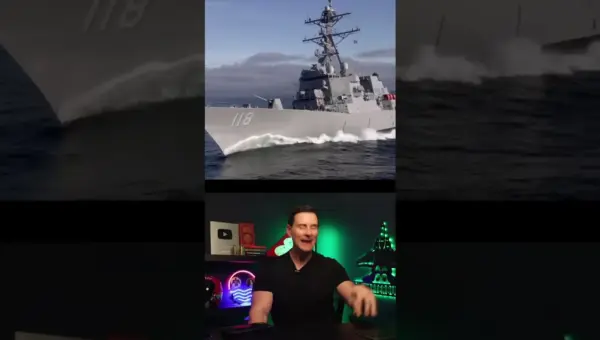
US Navy Blockades Strait of Hormuz Amid Talks Collapse
The U.S. Navy has imposed a blockade on the Strait of Hormuz following the collapse of U.S.-Iran ceasefire talks. The action aims to counter Iran's mining of the strait and its attempts to charge tolls on global shipping. This move significantly escalates regional tensions and targets Iran's primary revenue source.