Iran’s Shadow Oil Empire Fuels Regime: Tens of Billions Funneled
A Bloomberg investigation reveals a vast shadow oil empire linked to the sons of Ali Shamkhani, a key Iranian official. This network allegedly moves tens of billions of dollars through oil and arms trading, circumventing sanctions and fueling the Iranian regime. The operation involves sophisticated evasion tactics, international financial ties, and has recently faced increased scrutiny from U.S. authorities.

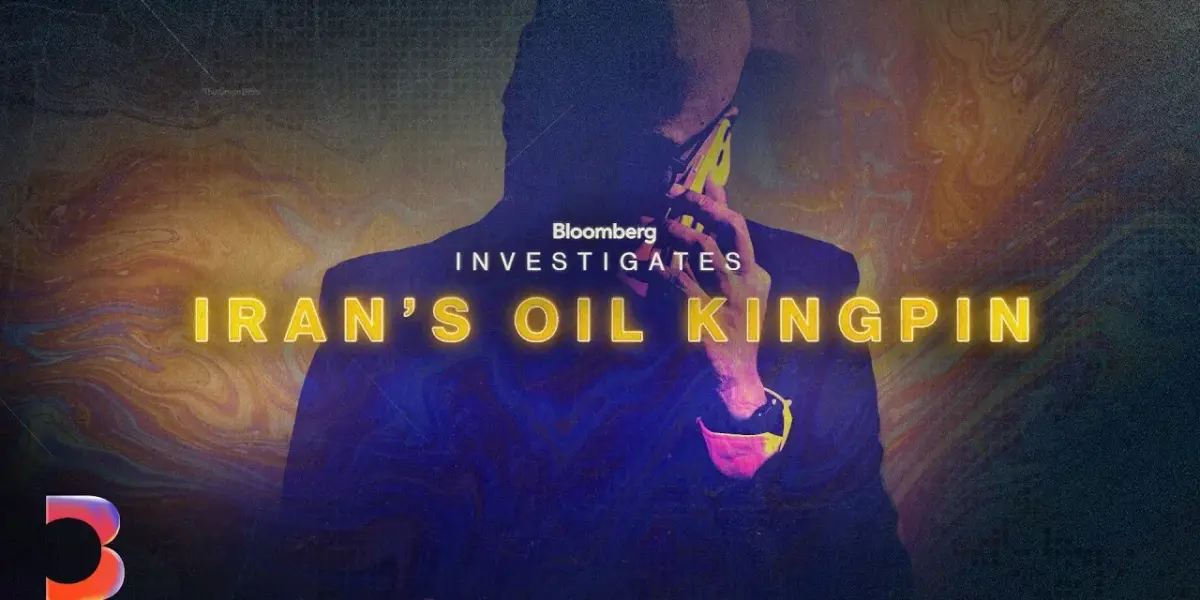
Shadow Network Moves Tens of Billions in Oil, Arms for Iran
An extensive and secretive network, orchestrated by the sons of a prominent Iranian official, has been instrumental in channeling tens of billions of dollars for the Iranian regime, circumventing international sanctions through oil and arms trading. This shadowy operation, detailed in a Bloomberg investigation, highlights the deep entrenchment of a select elite within Iran’s economy and their role in consolidating the ruling establishment’s power.
From Revolution to Sanctions Evasion
Since the 1979 revolution, Iran’s economy has been heavily reliant on oil. Decades of Western sanctions have forced the regime to seek innovative ways to maintain revenue streams. This has led to the rise of powerful middlemen and a complex network of individuals and entities adept at navigating and exploiting loopholes in the global financial system.
At the heart of this investigation is the alleged involvement of Hossein Shamkhani, son of Ali Shamkhani, a high-ranking official within Iran’s Supreme National Security Council and a former commander in the Islamic Revolutionary Guard Corps (IRGC). The network, operating under various aliases including ‘H’ and ‘Hector’, has been identified as one of the three largest oil trading networks for Iran, generating revenue in the tens of billions of dollars.
The Shamkhani Network: Milavous and Admiral Groups
The investigation points to companies such as Milavous Group, with operations in Dubai, Switzerland, and Romania, and the Admiral Group, which owned a tanker detained in India in 2022. These entities are accused of facilitating the covert trade of Iranian and Russian oil. The scale of operations is staggering, with sources suggesting the network encompasses approximately 115 companies, tankers, and individuals.
“What we ultimately uncovered was this secretive network that was one of the three biggest oil trading networks for Iran,” stated a Bloomberg reporter. “It’s difficult to put a number, but it is tens of billions of dollars.”
Sophisticated Evasion Tactics
To mask the origin of the oil and evade detection, the network employs sophisticated concealment methods. These include blending and rebranding crude oil, routing payments through shell companies, and utilizing a ‘dark fleet’ of ships – vessels that often disable their tracking systems or operate with unclear ownership. The U.S. Treasury’s sanctions office has been actively tracking these tactics.
David Tannenbaum, who tracks the dark fleet, explained the cat-and-mouse game: “Iran is one of the most prolific users of the dark fleet. Every day we are adding new and new vessels. It’s always this cat and mouse game where we’re figuring out how they’re evading sanctions and then it’s their job to replace it and our job to keep up with what they’re doing.” Tannenbaum estimates that about 10% of the world’s tankers are part of this dark fleet.
Beyond Oil: Arms Trade Involvement
The network’s activities are not limited to oil. Evidence suggests it has also been involved in the arms trade, a critical revenue and support mechanism for countries like Iran and Russia navigating sanctions. Companies linked to the network, such as Crios Shipping, are implicated in dealing with “deadly cargo.”
“We realized the network was more than just oil. It was also part of the arms trade,” a source revealed.
This trade reportedly involves shipping weapons and drone-related parts, particularly in the context of Russia’s needs, in exchange for oil. This synergy allows Iran to sell its oil and transfer military hardware, a key component for Russia’s ongoing conflict.
Western Financial Ties and Crackdown
Perhaps one of the most surprising aspects of the investigation is the network’s significant financial exposure to Western institutions. Major global players like BP and Chevron, as well as financial institutions such as Standard Chartered and JPMorgan, have reportedly had dealings with entities within this network, either directly or through intermediaries like the hedge fund Ocean Leonid.
Ocean Leonid, based in London, Geneva, and Dubai, was identified as a key hedge fund that leveraged oil trade proceeds. Its collapse, following U.S. Investigations and U.K. Regulatory action, significantly impacted the network’s ability to generate an estimated $15 to $20 billion annually.
Market Impact and Investor Considerations
The operations of such networks have tangible effects on global markets. The billions of dollars generated from covert oil sales can influence global supply dynamics and, consequently, the prices consumers pay at the pump. The involvement of major Western companies, even indirectly, raises questions about due diligence and the challenges of enforcing sanctions in a complex globalized economy.
For investors, this investigation highlights the risks associated with entities operating in sectors and regions subject to extensive sanctions. The opaque nature of these ‘shadow economies’ makes due diligence exceptionally difficult, and potential exposure to sanctioned entities can lead to significant legal, financial, and reputational damage.
Sanctions and the Future
In July 2025, the U.S. Announced its largest Iran-related sanctions package since 2018, targeting 115 entities across two dozen countries and, for the first time, explicitly naming Hossein Shamkhani. This move signals a hardening stance against sanction evasion and a commitment to disrupting these illicit financial flows.
The investigation highlights the persistent struggle of the Iranian people, who often bear the brunt of economic hardship while a select few elite families profit from the nation’s resources. As Iran continues to navigate international pressure, the effectiveness of sanctions and the resilience of these shadow networks will remain critical factors shaping its economic and political future.
Source: How a Shadow Oil Empire Helps Iran’s Regime Cling to Power | Bloomberg Investigates (YouTube)

Related Articles
US Tightens Grip: Iran Blockade Targets Revolutionary Guard
The United States has initiated a naval blockade of Iran, targeting the revenue streams of the Islamic Revolutionary Guard Corps (IRGC). This strategy aims to halt Iran's oil exports and smuggling operations, applying direct financial pressure. While the blockade presents challenges, including potential Iranian retaliation and land-based supply routes, it marks a significant escalation in U.S. policy.
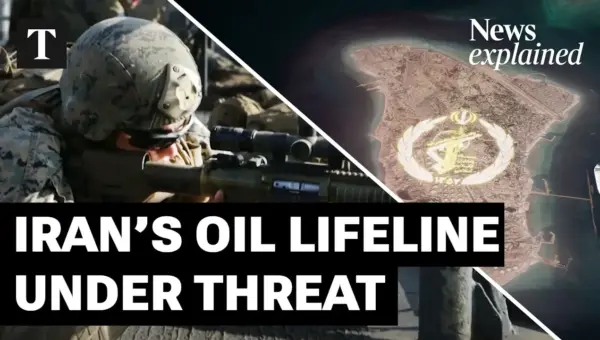
US Eyes Iranian Oil Hub: Kharg Island Invasion Risks Explored
The United States is reportedly considering seizing Iran's Kharg Island, a critical oil export hub, as tensions rise in the Middle East. This potential military action raises questions about the adequacy of US forces and the significant risks of escalation. Neighboring countries have cautioned Washington against ground operations, fearing retaliation against energy infrastructure.
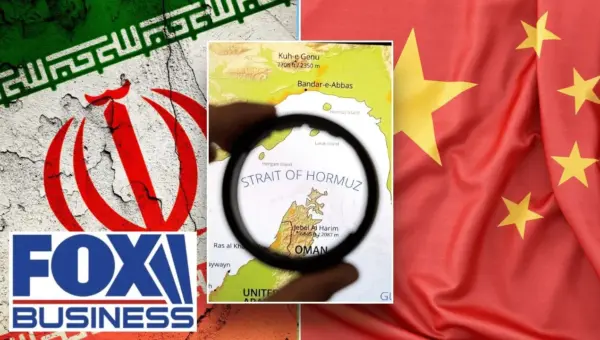
US Oil Sanctions Squeeze Iran, Force China’s Hand
New U.S. oil sanctions on Iran are designed to cripple its economy and halt its nuclear ambitions. The move also puts significant pressure on China, a major oil importer, impacting global energy markets and potentially reshaping supply chains.