Trump’s Tariff Scheme Crumbles: Court Halts Latest Move
A federal judge has swiftly denied the Trump administration's request for a 90-day delay on a Supreme Court ruling that invalidated tariffs. This decision means tariffs are gone immediately, with significant financial implications including potential refunds to those who paid them.

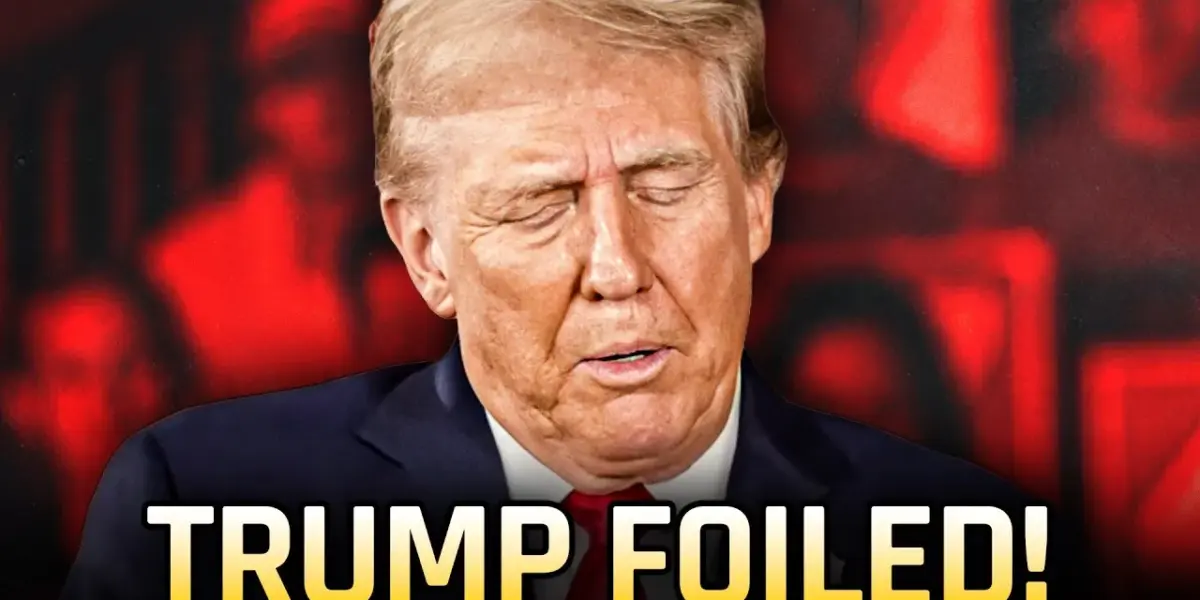
Trump’s Tariff Ambitions Thwarted Again by Judiciary
In a significant legal and economic development, former President Donald Trump’s administration has once again faced a judicial roadblock concerning his aggressive tariff policies. A federal judge has swiftly rejected a bid to delay the implementation of a Supreme Court ruling that invalidated certain tariffs, signaling a continued legal struggle for Trump’s protectionist agenda.
The Immediate Fallout of a Judicial Rejection
The core of the issue lies in the administration’s attempt to appeal a crucial aspect of the Supreme Court’s decision: its immediate effect. The Supreme Court had ruled that specific tariffs were no longer in force as of the ruling’s delivery. However, the administration, seeking breathing room to manage the economic and logistical fallout, filed a motion with the lower court, specifically the Federal Circuit Court of Appeals.
They requested a 90-day grace period, citing a need to navigate the complexities arising from the abrupt cessation of these tariffs. The argument, as humorously characterized, was that the administration was caught off guard, unprepared for the immediate cessation of duties.
The lower court, however, was unequivocal. In a decision that emphasized the finality of the Supreme Court’s judgment, the Federal Circuit Court of Appeals denied the 90-day delay.
The court’s order for the “immediate issuance of the mandates imposed by the Supreme Court” left no room for interpretation: the tariffs were gone, and the administration would not receive even a single extra day to maintain them. The court’s use of formal legal language, such as “forth with,” while perhaps preserving tradition, underscored the swift and decisive nature of the ruling.
Historical Context: Tariffs as a Political Weapon
Donald Trump’s use of tariffs as a primary tool of economic and foreign policy was a hallmark of his presidency. Unlike previous administrations that employed tariffs more judiciously, Trump viewed them as a potent weapon to renegotiate trade deals, pressure adversaries, and protect domestic industries. This approach, however, consistently met with legal challenges, as opponents argued that the executive branch overstepped its authority in imposing such broad duties without adequate congressional authorization or clear statutory backing.
The legal battles surrounding these tariffs have been protracted, with the judiciary acting as a critical check on executive power. The Supreme Court’s ruling, and the subsequent denial of a delay by the Federal Circuit, are part of a larger pattern where the courts have scrutinized and often curtailed the administration’s unilateral tariff actions. This ongoing tension highlights the delicate balance between executive authority in trade matters and the legislative and judicial branches’ oversight responsibilities.
The Financial Repercussions: Repayments and Lawsuits
A critical consequence of the Supreme Court’s ruling, and the subsequent denial of the delay, is the financial implication for the government. The tariffs that were struck down, and the funds collected under them, are now subject to being returned.
The administration is legally obligated to repay the money collected from these invalidated tariffs. This is a significant point, as it suggests that even if Trump were to find a new legal avenue to re-impose similar tariffs, the revenue already collected under the now-defunct scheme cannot be retained.
This obligation has already spurred legal action. FedEx, a major logistics company, was among the first to file a lawsuit against the administration seeking the refund of tariffs paid. The complexity arises in determining who ultimately receives these funds.
While corporations paid the tariffs directly, they often passed these costs onto consumers through increased prices. Consequently, there is a growing movement, including legislative efforts by Democrats in Congress, to ensure that these repaid funds are ultimately returned to the citizens who bore the brunt of the increased costs, rather than solely to the corporations that acted as intermediaries.
Why This Matters
The ongoing judicial rebukes of Trump’s tariff policies have significant implications for trade, economic stability, and the separation of powers. Firstly, they highlight the judiciary’s role as a vital bulwark against executive overreach, particularly in areas with broad economic impact.
The consistent legal challenges and their outcomes suggest that broad, unilateral tariff impositions by the executive branch face significant legal hurdles. This may force future administrations to pursue more congressionally authorized trade actions.
Secondly, the financial implications are substantial. The potential for large-scale refunds could impact government revenue and create complex accounting and distribution challenges.
The debate over whether refunds go to corporations or consumers highlights broader issues of corporate responsibility and the pass-through of costs in the supply chain. This could lead to new regulations or legal precedents regarding how such tariffs and their refunds are handled.
Implications, Trends, and Future Outlook
The trend observed in these court rulings points towards a more constrained executive authority in imposing tariffs. Future attempts to implement similar policies will likely face heightened legal scrutiny. This could lead to a more cautious approach from any administration, prioritizing legislative backing or narrower, more clearly defined executive actions.
Economically, the uncertainty surrounding tariff policies can create volatility. Businesses rely on stable trade environments to make investment decisions.
Repeated legal challenges and the potential for sudden policy reversals, even if ultimately struck down, can disrupt supply chains and impact consumer prices. The push to ensure refunds reach consumers, rather than corporations, could also signal a shift in policy focus towards consumer protection in trade disputes.
Looking ahead, the legal battles over tariffs are far from over. As new trade policies are proposed, they will inevitably be tested in the courts.
The consistent rejections of broad tariff schemes suggest that the judiciary will continue to play a key role in shaping trade policy, ensuring that executive actions remain within legal boundaries and respect established trade frameworks. The emphasis on immediate implementation and the obligation for refunds highlight the legal and financial accountability that now accompanies such trade measures.
Source: Court Immediately Kills Trump's Latest Tariff Scheme (YouTube)

Related Articles


Trump: Israel-Lebanon Talks Set for Today Amid Escalating Tensions
President Trump announced that Israel-Lebanon talks are set for today amid escalating Middle East tensions. The U.S. is also increasing economic pressure on Iran, while ongoing military operations continue in southern Lebanon. Diplomatic efforts face significant challenges due to Hezbollah's influence and Iran's nuclear program.
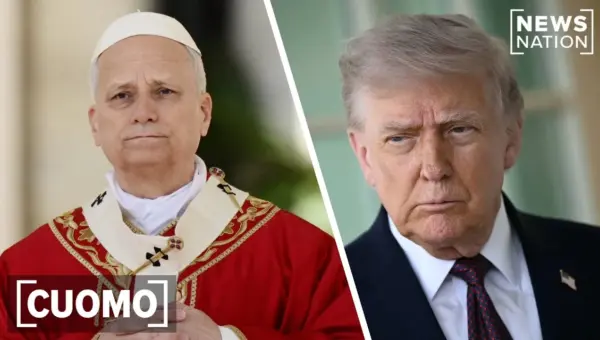
Trump and Pope Clash: Two Sides of Global Danger
Bill O'Reilly argues that both Pope Francis and President Trump are correct in their differing views on global threats. The Pope promotes pacifism for a better world, while Trump highlights present dangers requiring American power to confront them. This discussion unpacks the tension between idealistic peace and assertive action in international affairs.
Judge’s Bold Rulings Hint at SCOTUS Audition
Recent strong rulings by DC Circuit Judge Florence Vance are interpreted by some as an audition for a Supreme Court seat. Her aggressive language and criticism of fellow judges mirror Donald Trump's style, suggesting a bid for favor. This has sparked debate about judicial independence and the politicization of appointments.